Campbell Scientific launches smarter weather station, Weatherbrain

Campbell Scientific Canada has launched its WeatherBrain meteorological system for highways after a year of testing in the city of Magog, Canada. WeatherBrain is a software package that produces readable meteorological data for predicting road and weather conditions, allowing more efficient use of road crews.
February 9, 2018 Read time: 2 mins
Weatherbrain predictions can be more accurate than those from traditional weather stations, according to Campbell Scientific Canada
Campbell Scientific Canada has launched its WeatherBrain meteorological system for highways after a year of testing in the city of Magog, Canada


WeatherBrain is a software package that produces readable meteorological data for predicting road and weather conditions, allowing more efficient use of road crews.

Campbell Scientific said that WeatherBrain’s forecasting, analysis and decision support capabilities can save users time, money and effort on their winter road maintenance programmes.

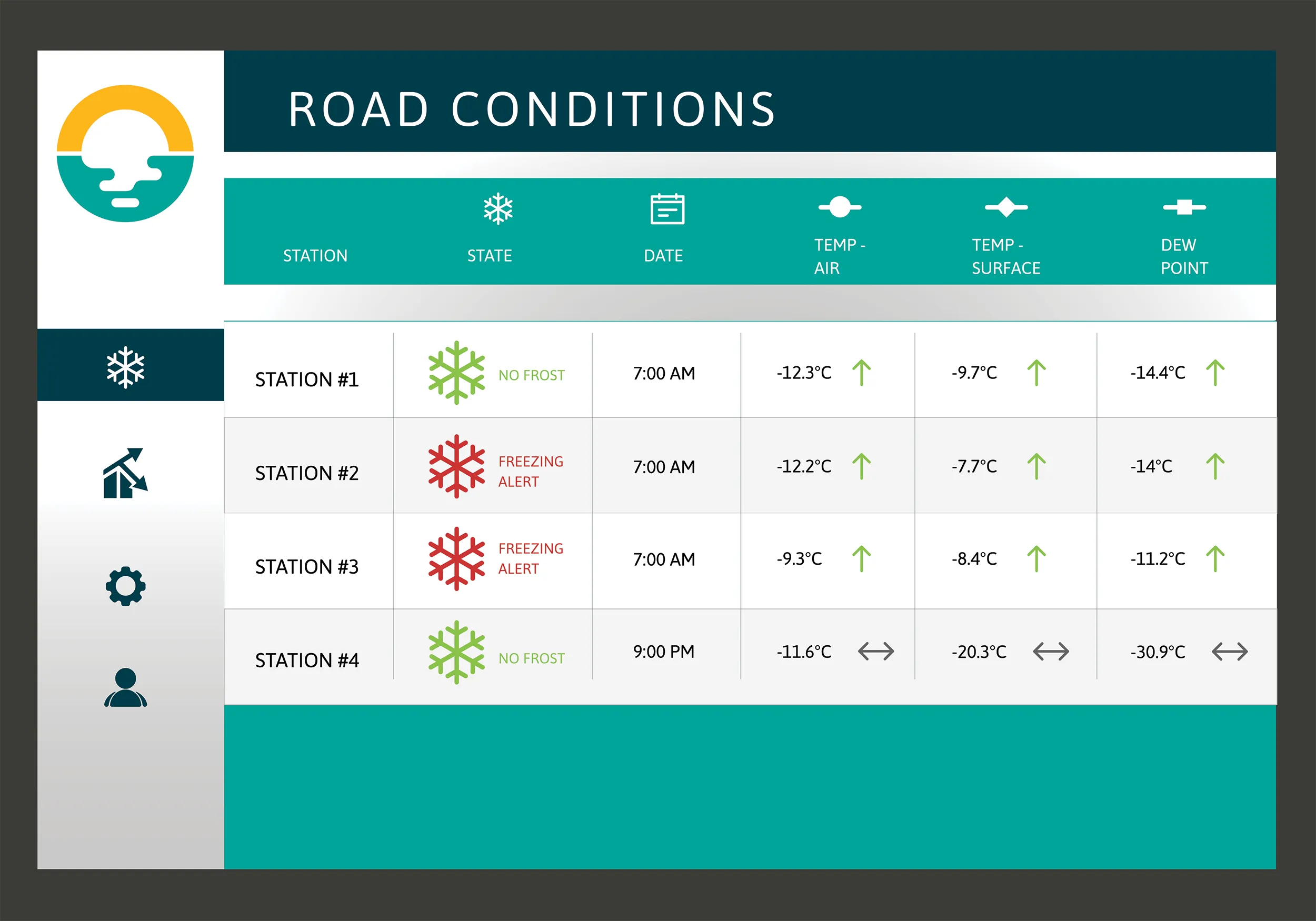
For the year-long test in Magog, in the province of Quebec, Campbell Scientific covered the city’s 550km of roads with a myriad of weather stations. Individually, these stations act as traditional road weather information systems – RWIS – to monitor snow thickness both on and off roadways. They also collect data on air temperature and dew point.

The problem with traditional RWIS stations is that they collect meteorological data about current conditions via road surface and atmospheric sensors and a datalogger. The datalogger compiles information gathered from the sensors, then delivers the often-cryptic piles of data to the end-user for their analysis and interpretation.

WeatherBrain stations are different, according to Campbell Scientific, because they collate, analyse and present the data in much more detail and in a more easily understood format than traditional stations. Collectively, WeatherBrain’s stations make up a densified network of data points.

An inability to accurately interpret meteorological data remains can result in the over-use and misuse of road salts to prevent accidents.

Similar to traditional RWIS, WeatherBrain consists of a series of RWIS stations equipped with sensors to monitor snow thickness, air temperature, dew point and other facts. However, WeatherBrain has the capacity to pull in geo-relevant third party data, providing a more robust data set to allow for increased relevancy and accuracy.

Extensive algorithms take this geo-relevant data set and create nowcasts and forecasts for the next 12 hours. Based on these nowcasts and forecasts, the software produces actionable indicators that show the user when they’ll need to take action, effectively putting them ahead of impending weather events.

For example, based on the systems forecast, Campbell Scientific said that WeatherBrain can predict a black ice event will occur in 4 hours, so road maintenance operators can schedule their road crews to take proactive maintenance, eliminating the risk altogether.

Related Content

  • Safety issues fuel interest at PIARC’s tunnel conference in Lyon
    June 4, 2019
    Alternative fuel and automated vehicle issues occupied minds at PIARC’s first international road tunnel safety conference. David Arminas reports from Lyon More than ever, tunnel management must done in a wholistic fashion, said Andre Broto, president of PIARC, the World Road Association, based in Paris. With those sentiments, Broto kicked off PIARC’s first International Conference on Tunnel Operations and Safety. One of the first speakers, Sandrine Bernabei Chinzi, head of transport infrastructure at Fr
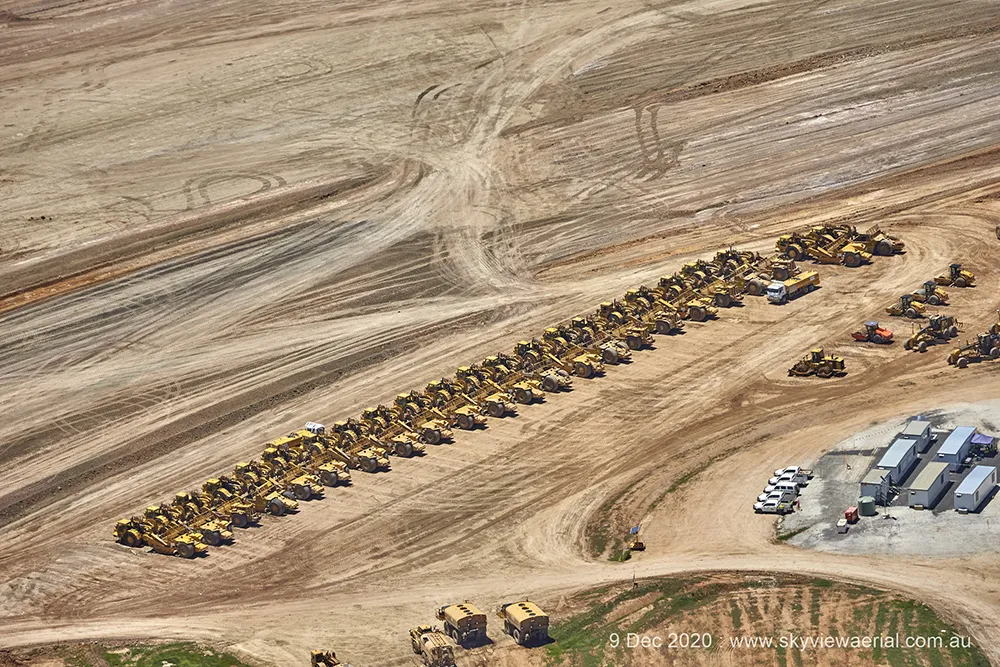
  • Western Sydney Airport Bulk Earthworks
    November 7, 2023
    The massive Bulk Earthworks project, under development by the federal government-owned Western Sydney Airport (WSA), entails construction of an international airport on the western side of Sydney, Australia.
  • WJ’s Guardian stud machine to be launched in Europe
    February 23, 2018
    Stud placement just got a lot safer for road operatives in continental Europe thanks to a collaboration between the UK’s WJ Group and Belgium’s ACB. UK-based WJ Group and ACB formed their joint venture company, ACBWJ around 2006 to share product knowledge, marketing and research into thermoplastics and road markings. ACBWJ will officially launch WJ’s Guardian stud placement vehicle into the European market at the Intertraffic exhibition in Amsterdam from March 20-23.
  • Trakm8 signs telematics contract with Colas’s Czech operations
    July 3, 2018
    The Czech division of French civil engineering group Colas will install Trakm8 vehicle use and GPS tracking systems on at least 1,000 vehicles and machines. Installation of the telematics will take place over three years in an effort to improve day-to-day management of its assets and reducing fuel consumption. Colas will hook up cars and construction machinery such as excavators, cranes and asphalt pavers so data is collected on GPS positions within certain sites, hourly utilisation reports and fuel