A recent Pan-European police operation to enforce laws on speeding has yielded major success. Over 720,000 drivers were detected breaking speed limits in the operation, which was co-orcinated by the European Traffic Police Network (TISPOL) in 28 countries. Of the 728,268 detections, 274,355 were made directly by police officers and 453,913 came from automatic speed detectors. Stopping drivers for speeding offences also provides police officers with the opportunity to make other safety and security checks. D

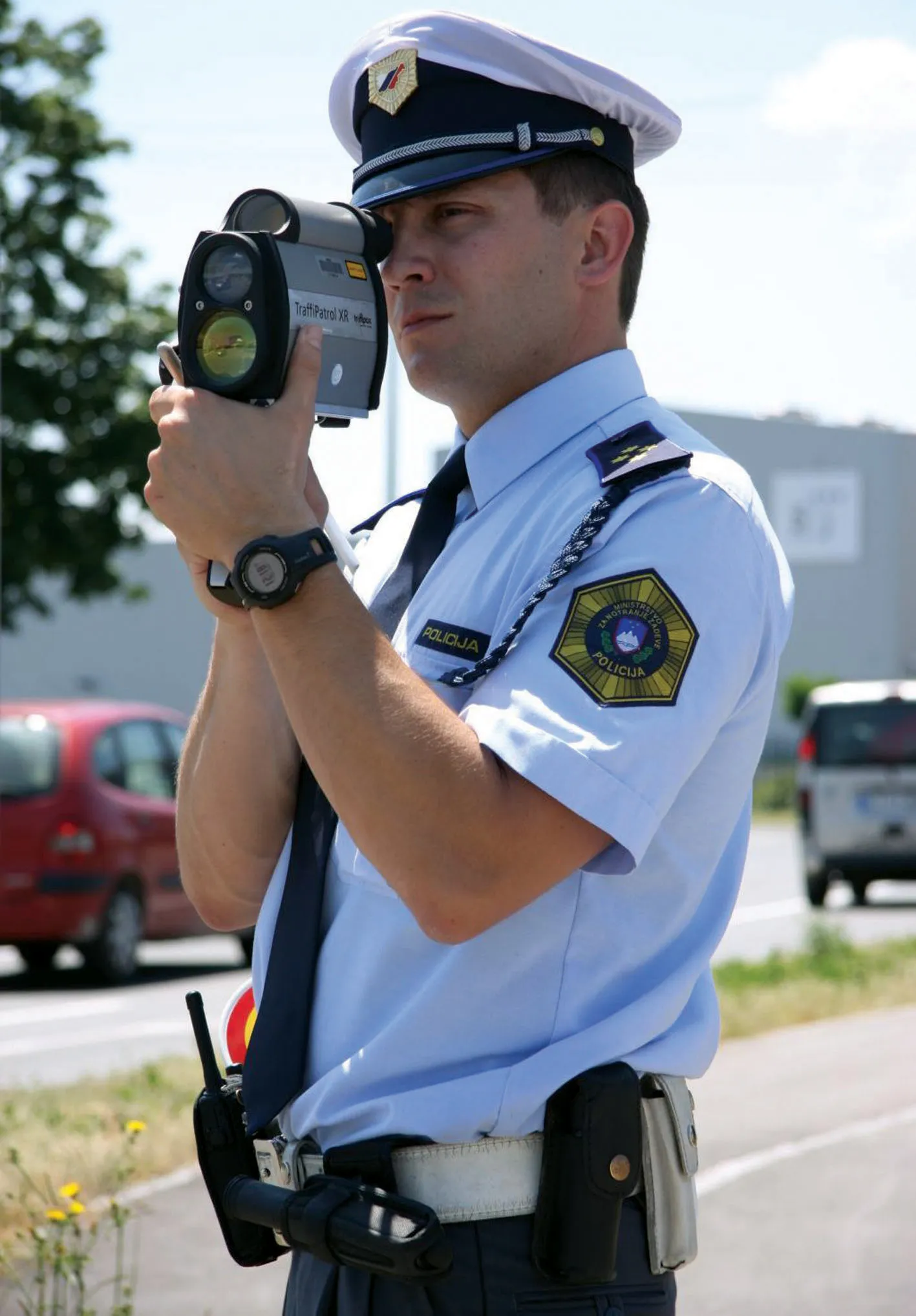
A recent Pan-European police operation to enforce laws on speeding has yielded major success. Over 720,000 drivers were detected breaking speed limits in the operation, which was co-orcinated by the European Traffic Police Network (4753 TISPOL) in 28 countries. Of the 728,268 detections, 274,355 were made directly by police officers and 453,913 came from automatic speed detectors. Stopping drivers for speeding offences also provides police officers with the opportunity to make other safety and security checks. During the week of this speed operation, officers also detected and dealt with offences connected with irregular immigration and human trafficking (86), possession of drugs (218), firearms (21), stolen goods (23) and other crimes (2,719). Commenting on the results, TISPOL President Koen Ricour reminded drivers that speed was one of the ‘big three killers’ in the road environment. “Speeding puts the lives of other road users and pedestrians at risk, and is believed to be the cause of around one third of all fatal crashes on Europe’s roads. We welcome the fact that fatal crashes have reduced considerably across Europe (from around 54,000 in 2000 to 28,157 in 2012). We know that excessive or inappropriate speed continues to hamper our efforts to reduce fatality and serious injury rates further. TISPOL is committed to enforcing speed limits, in particular as part of its support for the 1116 European Union’s target of achieving a 50% reduction in the number of people killed on Europe’s roads by 2020. Road policing plays a vital role in saving lives and reducing serious injuries on the road.