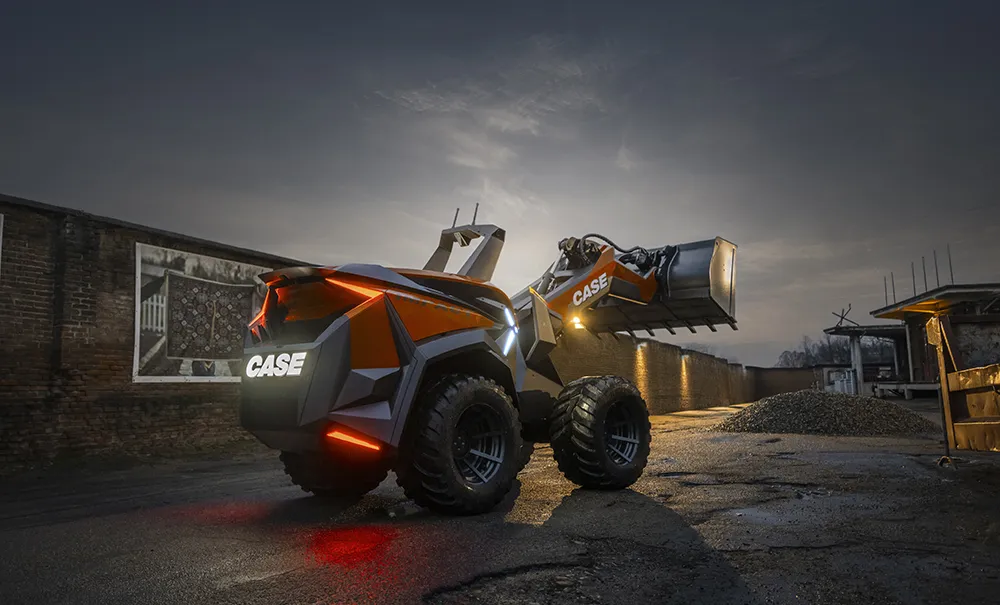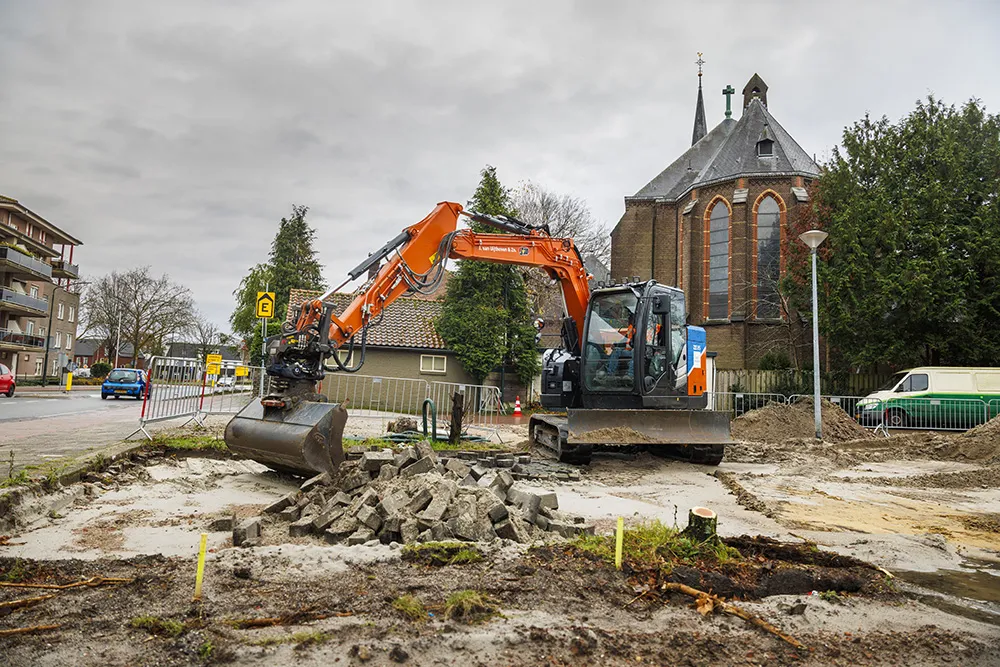
Off-highway machines will become the cleanest in the world, according to a new regulation adopted by the European Parliament. The new Regulation tightens emission limits for particulate matter (PM) and nitrogen oxides (NOx) for mobile machines such construction and quarrying machinery as well as equipment used for municipal and road operation services.
The regulation is the latest step in a series of limits, which have already reduced particulate matter and nitrogen oxide emissions for land-based machin

Off-highway machines will become the cleanest in the world, according to a new regulation adopted by the European Parliament. The new Regulation tightens emission limits for particulate matter (PM) and nitrogen oxides (NOx) for mobile machines such construction and quarrying machinery as well as equipment used for municipal and road operation services.
The regulation is the latest step in a series of limits, which have already reduced particulate matter and nitrogen oxide emissions for land-based machines by over 95% in recent years. The new Stage V regulation is set to reduce emissions even further. It will introduce particulate number limits and extend the scope of the regulation to additional power categories.
European manufacturers were represented by trade associations such as3399 CECE for construction equipment and FEM for materials handling equipment.
The trade bodies commented that a balance was set between improving air quality and maintaining the competitiveness of the European machine manufacturing industry. This balance was achieved thanks to a number of adjustments introduced during the legislative process, while keeping the original emission limits and introduction dates for land-based machinery as proposed by the European Commission. Adjustments include, for instance, an extension of the general transition scheme to 24 months, to give European machine manufacturers sufficient time to re-design their fleet to comply with the new requirements. Introducing a provision on replacement engines with a time limit of 20 years will allow for a continued use of machinery using replacement engines, contributing to the EU’s objectives on resource efficiency.
“Overall, the new Regulation sets an ambitious timeline. It will remain a challenge to re-design the hundreds of machinery types and applications in the timeframe given, but the machine manufacturing industries are committed and capable to make these necessary adjustments and contribute to improving air quality in Europe,” said Sigrid de Vries, secretary general of CECE.
Importantly, the special needs of small and medium-sized enterprises (SMEs) as well as the high level of specialisation throughout the sector, have been reflected in the final compromise. For certain types of machines and enterprises, such as mobile cranes and narrow tractors, further transitional provisions were foreseen to cater for their specific needs.
Further to the Parliament’s final vote in today’s plenary sitting, the Council’s adoption is expected to take place in the coming weeks. Publication of the regulation will follow shortly. In parallel to the adoption of the framework regulation, supplementary legislation in the form of delegated and implementing acts is being finalised as well. This supplementary legislation includes technical requirements and administrative provisions and is expected to be adopted before the end of the year.
The regulation is the latest step in a series of limits, which have already reduced particulate matter and nitrogen oxide emissions for land-based machines by over 95% in recent years. The new Stage V regulation is set to reduce emissions even further. It will introduce particulate number limits and extend the scope of the regulation to additional power categories.
European manufacturers were represented by trade associations such as
The trade bodies commented that a balance was set between improving air quality and maintaining the competitiveness of the European machine manufacturing industry. This balance was achieved thanks to a number of adjustments introduced during the legislative process, while keeping the original emission limits and introduction dates for land-based machinery as proposed by the European Commission. Adjustments include, for instance, an extension of the general transition scheme to 24 months, to give European machine manufacturers sufficient time to re-design their fleet to comply with the new requirements. Introducing a provision on replacement engines with a time limit of 20 years will allow for a continued use of machinery using replacement engines, contributing to the EU’s objectives on resource efficiency.
“Overall, the new Regulation sets an ambitious timeline. It will remain a challenge to re-design the hundreds of machinery types and applications in the timeframe given, but the machine manufacturing industries are committed and capable to make these necessary adjustments and contribute to improving air quality in Europe,” said Sigrid de Vries, secretary general of CECE.
Importantly, the special needs of small and medium-sized enterprises (SMEs) as well as the high level of specialisation throughout the sector, have been reflected in the final compromise. For certain types of machines and enterprises, such as mobile cranes and narrow tractors, further transitional provisions were foreseen to cater for their specific needs.
Further to the Parliament’s final vote in today’s plenary sitting, the Council’s adoption is expected to take place in the coming weeks. Publication of the regulation will follow shortly. In parallel to the adoption of the framework regulation, supplementary legislation in the form of delegated and implementing acts is being finalised as well. This supplementary legislation includes technical requirements and administrative provisions and is expected to be adopted before the end of the year.