The UK is ready for rubber – Tarmac’s new asphalt solution

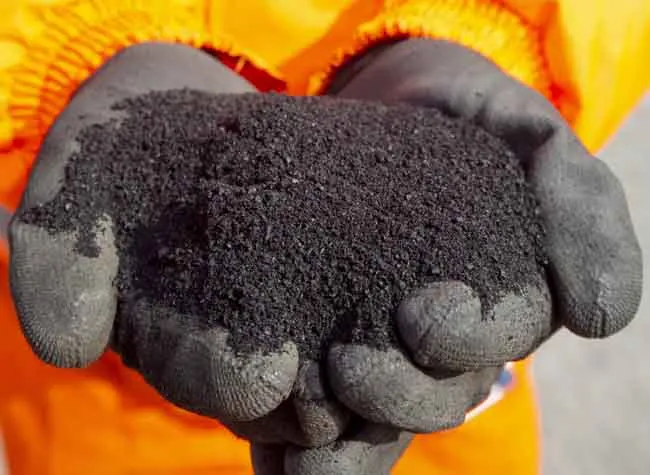
A huge surplus of waste tyres and a strengthening commitment towards sustainability from local authorities has prompted asphalt supplier Tarmac to invest in technology to add crumb rubber to its mixes "Local authorities want to be green, sustainable and environmentally friendly,” said Tarmac’s technical director Brian Kent. “I get the sense that these issues are more important to them now. I do think we are going to get some traction.” Around 40 million tyres are worn out every year in the UK. Though
September 6, 2019 Read time: 3 mins
Tarmac is now using crumb rubber in asphalt
A huge surplus of waste tyres and a strengthening commitment towards sustainability from local authorities has prompted asphalt supplier Tarmac to invest in technology to add crumb rubber to its mixes


"Local authorities want to be green, sustainable and environmentally friendly,” said 2399 Tarmac’s technical director Brian Kent. “I get the sense that these issues are more important to them now. I do think we are going to get some traction.”

Around 40 million tyres are worn out every year in the UK. Though some are burnt for fuel at cement kilns, others turned to crumb rubber and used for sports pitches and to create items like car mats, there is still a surplus of 120,000tonnes of rubber waste. Currently these are shipped abroad.

Tarmac has modified seven of its 72 asphalt plants so that 1% of crumb rubber by weight can be added to mixes. This is combined with a warm-mix additive, Evotherm, so that the harmful emissions are not produced during the manufacturing process. Tarmac reckons this equates to 750 waste tyres/km of road resurfaced.

The company started investigating the use of end-of-life tyres (ELT) in asphalt back in 2011. They chose a method has been used successfully in the US for over a decade, said Kent.

This process is somewhere between the wet and dry processes for adding rubber to asphalt mixes. The rubber become part of the asphalt matrix, melting at first and then resolidifying to act “like a glue”, said Kent.

The result is a mix that is better than one created with standard bitumen, but not as enhanced as one made with a polymer-modified bitumen. Kent did not provide any test results to demonstrate its performance, saying that there were no tests that adequately mimicked ageing.

“Talking to colleagues in America, they have come to the conclusion that because rubber is in the material, it is helping to delay crack propagation and that means the roads are lasting longer,” said Kent. He added that where rubber is used in SMA (stone mastic asphalt) mixes, the crumbs sit in some of the air voids, improving waterproofing and hence enhancing durability.

The first UK authority to trial the mix was Coventry, with national authority Highways England also carrying out a trial on the M1 motorway near the East Midlands Airport. Authorities in London, Nottingham and Leicester are also planning trials with several others expressing interest.

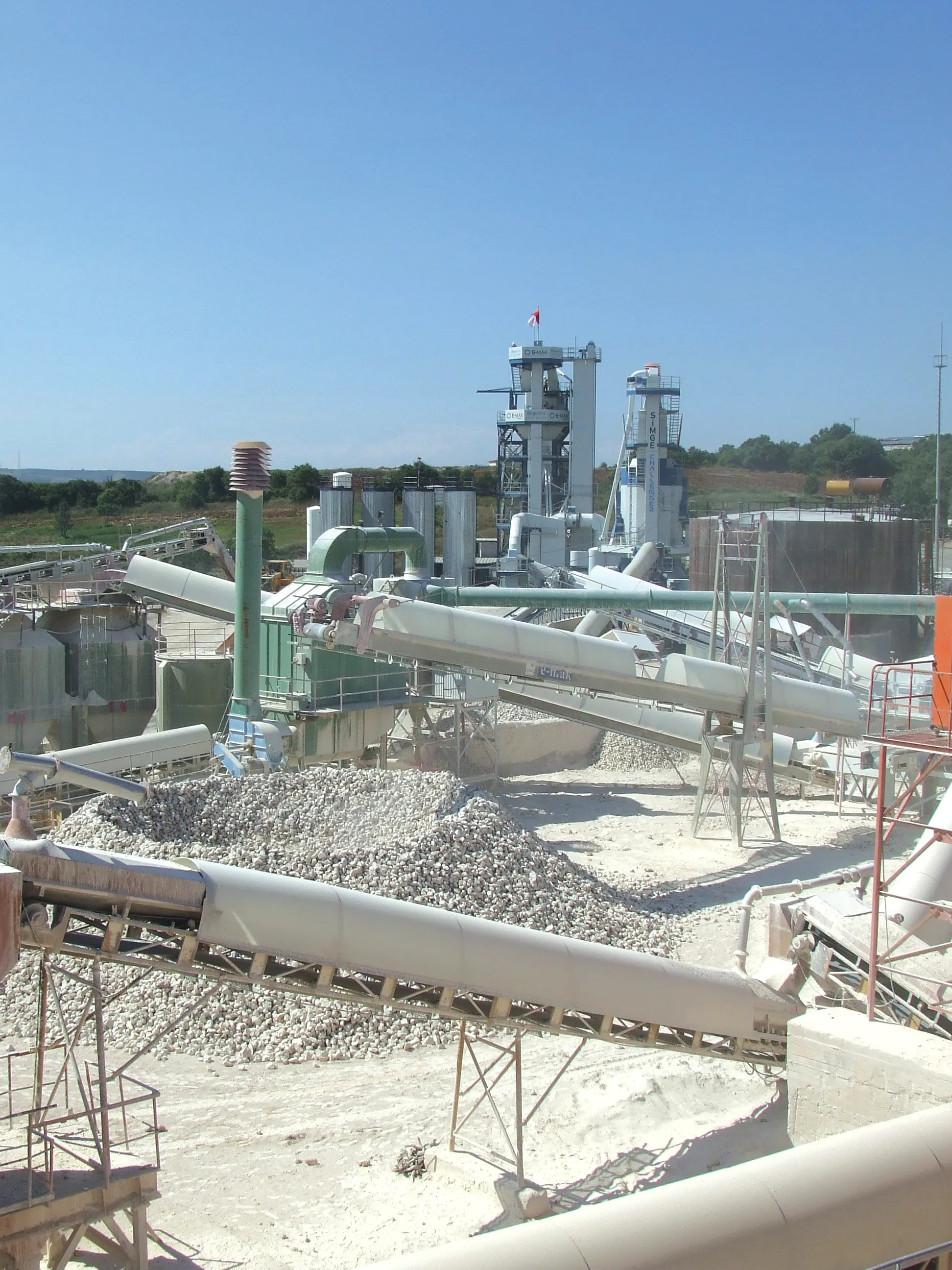
Modifications to the asphalt plants involve adding an automated system to the plant which includes a silo, a screw to mix and making modifications to the software. The cost for modifications varies, depending on the plant but costs tens of thousands of pounds. Other plants will be upgraded, depending on market demand, says Kent.

For more information on companies in this article

Related Content

  • Kronprinsesse Marys Bro bridges Roskilde Fjord
    January 10, 2019
    A BESIX joint venture is giving the royal treatment to the new Kronprinsesse Marys Bro across Roskilde Fjord, writes David Arminas It was announced in September 2016 that Belgian group BESIX, in a joint venture (RBAI) with Italian firm Rizzani de Eccher and Spanish company Acciona Infraestructuras, had been chosen for the €133 million project. The award, by client Vejdirektoratet (Danish Road Directorate), marked the entry of BESIX into the Scandinavian market. Vejdirektoratet praised the winning bid as
  • Innovative additive for use in recycled asphalt applications
    August 13, 2014
    Biorefiner Arizona Chemical has spent three years developing a new asphalt additive which it says will revolutionise the use of RAP in road pavements. Sylvaroad RP1000 will allow much higher proportions of RAP to be used and produce a better-performing pavement, according to the manufacturer. “What it essentially does is mobilise the chemical matrix of these aged binders,”
  • Recycled asphalt innovations prove cost benefit
    November 5, 2012
    New technologies allow efficient use of recycled asphalt - Mike Woof writes The Eurobitume/Euroasphalt 2012 event in Istanbul earlier this year proved an important event with regard to asphalt recycling innovations. Key developments in this technology were announced, particularly in the field of asphalt production. One of the notable papers came from E-MAK, part of the Turkish Simge Group, which focused on its RATEK system. This technology is designed to use recycled asphalt and can produce greater throughp
  • Triple showing for CAMS
    July 14, 2025
    CAMS, the Italian company specialising in fixed and mobile systems for crushing, screening and shredding, showcased at the recent bauma 2025 the brand-new Centauro 75.25 - the smallest model in the Centauro range.