In Estonia, Novotrade Invest, which produces hydrocarbon resin HCR-105, has carried out research work on the material that can be used as a bitumen modifier. Hydrocarbon resin HCR-105 is obtained by thermal polymerisation of hydrocarbon fraction C9 [industrially it is isolated from the C9 aromatic hydrocarbon fraction during petroleum distillation].

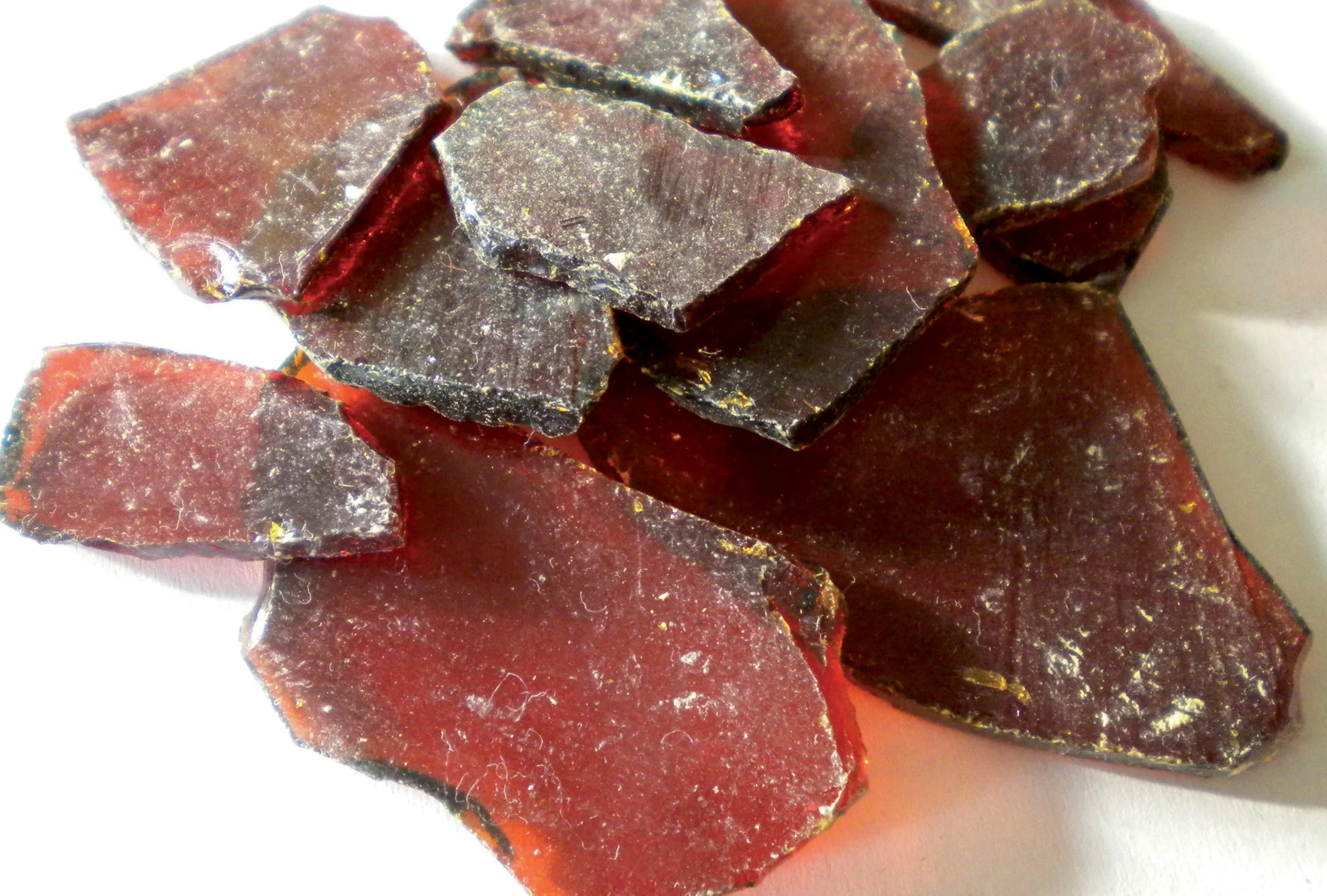
In Estonia, Novotrade Invest, which produces hydrocarbon resin HCR-105, has carried out research work on the material that can be used as a bitumen modifier.
Hydrocarbon resin HCR-105 is obtained by thermal polymerisation of hydrocarbon fraction C9 [industrially it is isolated from the C9 aromatic hydrocarbon fraction during petroleum distillation].
In a paper on the research, Victor Tams and Mikus Dzenis of1274 Latvian State Roads, Road Laboratory, and Valentina Kulakova of Novotrade Invest, point to the main physical and chemical properties of hydrocarbon resin HCR-105. It has a density of 1.05-1.12g/cm3; a molecular weight of 1,000; is insoluble in water; has an ash content of 0.015%, water content (0.03%), sulphur content (0.03%), benzo(a)pyrene (9.5mg/kg), and a glittering carbon content of 65.8%.
Hydrocarbon resin HCR-105 will dissolve in aromatic hydrocarbons such as toluene and xylene, has a softening point (R&B) of 95-115ºC, a flashpoint of >230ºC and an ignition temperature of >460ºC.
Dust can form explosive mixtures with air if a concentration level of 15g/m3 is exceeded, although the substance is stable under normal conditions, non-toxic, and harmless for health.
"We have researched the influence of hydrocarbon resin HCR-105 additive on the properties of viscous road bitumen B 70/100 (Mazeikiu) and the plastic deformation resistance of asphalt concrete SMA-16 (using a wheel tracking test) in the Latvian Road Laboratory," says the paper.
"Adding HCR-105 to viscous bitumen in the proportion of 5, 10 and 15% by weight reduces penetration and increases the softening temperature, equally enhancing bitumen adhesion to mineral materials.
"Mazeikiu bitumen, which has been used in research works, is on the border between both bitumen brands B50/70 and B70/100." Today, hydrocarbon resin HCR-105 is used in Estonia where several roads and streets have been constructed with it.
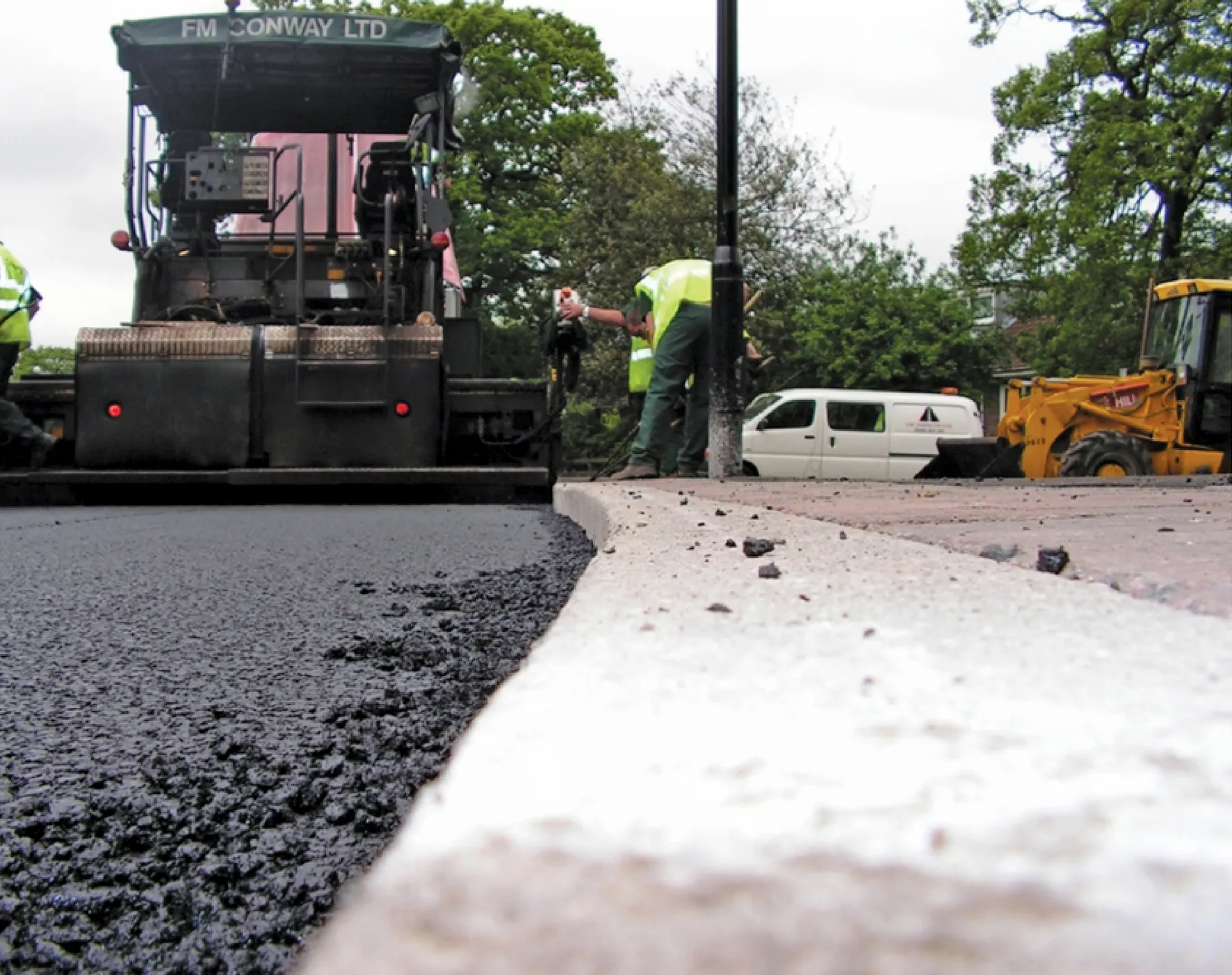
"One of the main factors of the [European] standard EN 12697-22 is the rutting speed. It should be noted that this factor is significantly influenced by several physical and mechanical factors such as, for example, particle size distribution, air voids contents, content of binders, quality of used bitumen and additives. As for residual deformation, in this case the bitumen quality was improved." According to the researchers, hydrocarbon resin HCR-105 usage in asphalt mixes is easy: it should be added directly to mixes before adding bitumen thus enhancing bitumen adhesion to mineral materials.
The asphalt mixture production process does not essentially differ from conventional methods and there is no need for additional resources. It also offers bitumen economy.
In conclusion, the paper says: "In view of the results, we may state that asphalt mixture with the HCR-105 additive has a lower rutting speed, and as a result is more resistant against wheel tracking in asphalt mixtures compared to bitumen B 50/70 without HCR-105 additive.
"Characteristics of the final product are enhanced due to minimisation of residual deformation hazards, and the test findings show that the best asphalt mixture SMA-16 composition is that with 10% by weight of HCR-105 additive in bitumen."
Hydrocarbon resin HCR-105 is obtained by thermal polymerisation of hydrocarbon fraction C9 [industrially it is isolated from the C9 aromatic hydrocarbon fraction during petroleum distillation].
In a paper on the research, Victor Tams and Mikus Dzenis of
Hydrocarbon resin HCR-105 will dissolve in aromatic hydrocarbons such as toluene and xylene, has a softening point (R&B) of 95-115ºC, a flashpoint of >230ºC and an ignition temperature of >460ºC.
Dust can form explosive mixtures with air if a concentration level of 15g/m3 is exceeded, although the substance is stable under normal conditions, non-toxic, and harmless for health.
"We have researched the influence of hydrocarbon resin HCR-105 additive on the properties of viscous road bitumen B 70/100 (Mazeikiu) and the plastic deformation resistance of asphalt concrete SMA-16 (using a wheel tracking test) in the Latvian Road Laboratory," says the paper.
"Adding HCR-105 to viscous bitumen in the proportion of 5, 10 and 15% by weight reduces penetration and increases the softening temperature, equally enhancing bitumen adhesion to mineral materials.
"Mazeikiu bitumen, which has been used in research works, is on the border between both bitumen brands B50/70 and B70/100." Today, hydrocarbon resin HCR-105 is used in Estonia where several roads and streets have been constructed with it.
"One of the main factors of the [European] standard EN 12697-22 is the rutting speed. It should be noted that this factor is significantly influenced by several physical and mechanical factors such as, for example, particle size distribution, air voids contents, content of binders, quality of used bitumen and additives. As for residual deformation, in this case the bitumen quality was improved." According to the researchers, hydrocarbon resin HCR-105 usage in asphalt mixes is easy: it should be added directly to mixes before adding bitumen thus enhancing bitumen adhesion to mineral materials.
The asphalt mixture production process does not essentially differ from conventional methods and there is no need for additional resources. It also offers bitumen economy.
In conclusion, the paper says: "In view of the results, we may state that asphalt mixture with the HCR-105 additive has a lower rutting speed, and as a result is more resistant against wheel tracking in asphalt mixtures compared to bitumen B 50/70 without HCR-105 additive.
"Characteristics of the final product are enhanced due to minimisation of residual deformation hazards, and the test findings show that the best asphalt mixture SMA-16 composition is that with 10% by weight of HCR-105 additive in bitumen."