Electro-mobility move worldwide

Electric scooters offer advantages for urban mobility
By MJ Woof February 6, 2020 Read time: 2 mins
Electric scooters are becoming increasingly popular for urban transport around the world, but are not yet legal in some countries

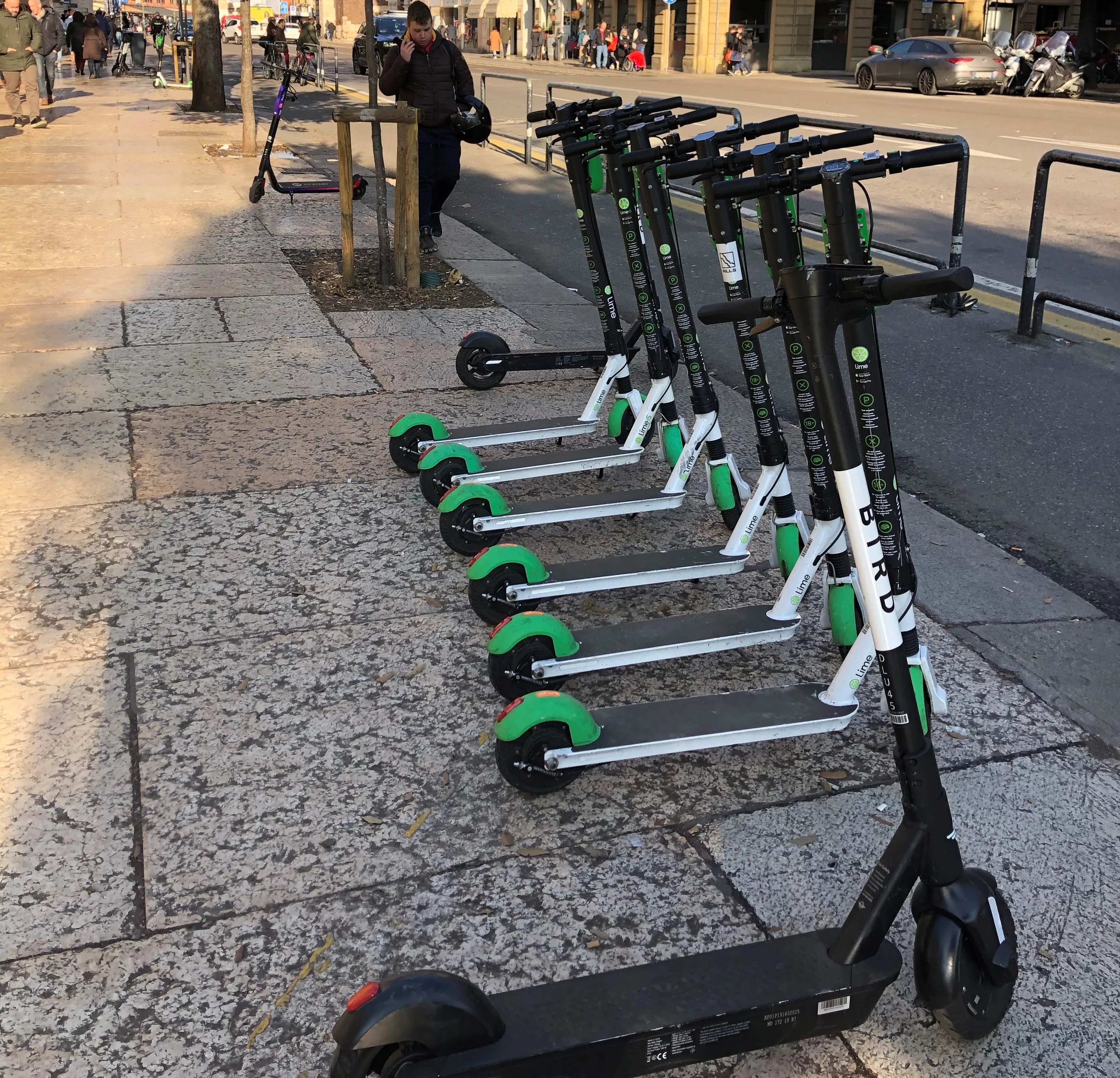
The rise and rise of the e-scooter is an important development for mobility in the urban environment. These are now becoming increasingly popular in many cities around the world. Comparatively cheap to buy and even cheaper to run, they offer quick and easy transport over short distances in cities. Numerous firms now offer scooter sharing options, which users able to rent these using a smartphone.

While legal to use in some cities they are not in others, although this has not stopped their proliferation. In the UK for example, e-scooters are not yet legal to use other than on private land. However they are readily available to buy.

The UK authorities are now examining the safety aspects and consulting industry experts to determine whether or not these should be made legal to use. This follows on from a number of fatal crashes involving the use of e-scooters in Europe, as well as in the UK.

The safety implications to be examined will include whether e-scooters should be classed as vehicles, whether or not they will require lighting, if age limits should be implemented for their use and whether riders should require helmets. Of note for safety is that the small wheels of e-scooters are particularly vulnerable to potholes. As a result, speed restrictors will almost certainly be required to minimise the risk of crashes.


Related Content

  • Information technology and transport development
    February 16, 2012
    A team of eminent Russian specialists* introduce exciting new information technologies, such as the Internet of Things, and foresee their promising applications in the field of transport infrastructure development
  • Paying for the roads we drive
    February 6, 2018
    All around the world, vehicle numbers are growing fast and existing roads are seeing increasing congestion. This rapid increase in vehicle ownership is particularly acute in the developing world. Reductions in actual vehicle purchase costs have resulted in an explosion in vehicle numbers using the roads. In the past, governments were able to fund road expansion programmes from their own sources. The most ambitious of these came when the US Government commenced construction of the Interstate system in 1956,
  • Eradicating work zone danger
    June 26, 2013
    New safety systems for highway work zones are helping to reduce deaths and injuries in the United States, while much work is being done in Europe to improve work zone safety. Guy Woodford reports. With more road building underway than at any one time in Texas history, the US Lone Star state’s Department of Transportation (TxDOT) is introducing its first highway safety system with queue-warning technology and temporary rumble strips to cut work zone collisions. Debuting along a central Texas stretch of the
  • Distraction poses increasing risk to driving safety
    July 21, 2014
    In the UK a number of road safety campaigning groups are warning that driver distraction from mobile phones will become a bigger killer than drink driving by 2015. While cellphone use by drivers is banned in the UK, penalties are still light and enforcement lax. Drivers still frequently use cellphones while behind the wheel. Suggestions have been made to double the penalties facing offenders, but if this ruling is accepted it will still take time to implement. And some say these tougher penalties are still