Danish congestion charge won't have great impact on emissions or air quality

The planned introduction of congestion charges in Copenhagen will not have a major impact on air quality according to Kåre Press-Kristensen, traffic expert at Denmark's Ecological Council (Det Økologiske Råd).
April 30, 2012 Read time: 1 min
The planned introduction of congestion charges in Copenhagen will not have a major impact on air quality according to Kåre Press-Kristensen, traffic expert at Denmark's 5352 Ecological Council (Det Økologiske Råd). Congestion charges will help reduce emissions but not by as much as they will reduce traffic, he says. The reason is that the charges will primarily keep private cars out of the city and these tend to be new, petrol driven vehicles with realtively low emissions. Diesel driven taxis, delivery trucks and buses will however, continue to operate in the city, spewing out nitrogen and dangerous particles. Press-Kristensen estimates emissions will fall 7-10% with congestion charges while traffic may be reduced by as much as 25%.Steen Solvang Jensen, senior researcher at the Department of Environmental Science at 5353 Aarhus University agrees with Press-Kristensen and says commercial traffic will continue despite a congestion charge.
For more information on companies in this article

Related Content

  • Chrysler provides MBTA with PHEV test fleet of pickup trucks.
    May 1, 2012
    Chrysler Group, working in partnership with the US Department of Energy (DOE), will deliver 10 demonstration fleet Ram 1500 plug-in hybrid electric vehicle (PHEV) pickup trucks to Massachusetts Bay Transportation Authority (MBTA).
  • China’s plans for EVs in the future
    July 4, 2019
    China is setting out its plans for increasing the use of EVs in the future. By 2030, the country’s Hainan Province will halt sales of new vehicles fuelled by either petrol or diesel. Hainan Province is also increasing the vehicle charging facilities so that by 2025, there will be one charging outlet for every two vehicles. All new government buses or passenger cars being bought for official use in Hainan Province will be clean energy vehicles from 2019. It has not been released however on the split between
  • New non-destructive testing technologies for roads and bridges
    July 11, 2018
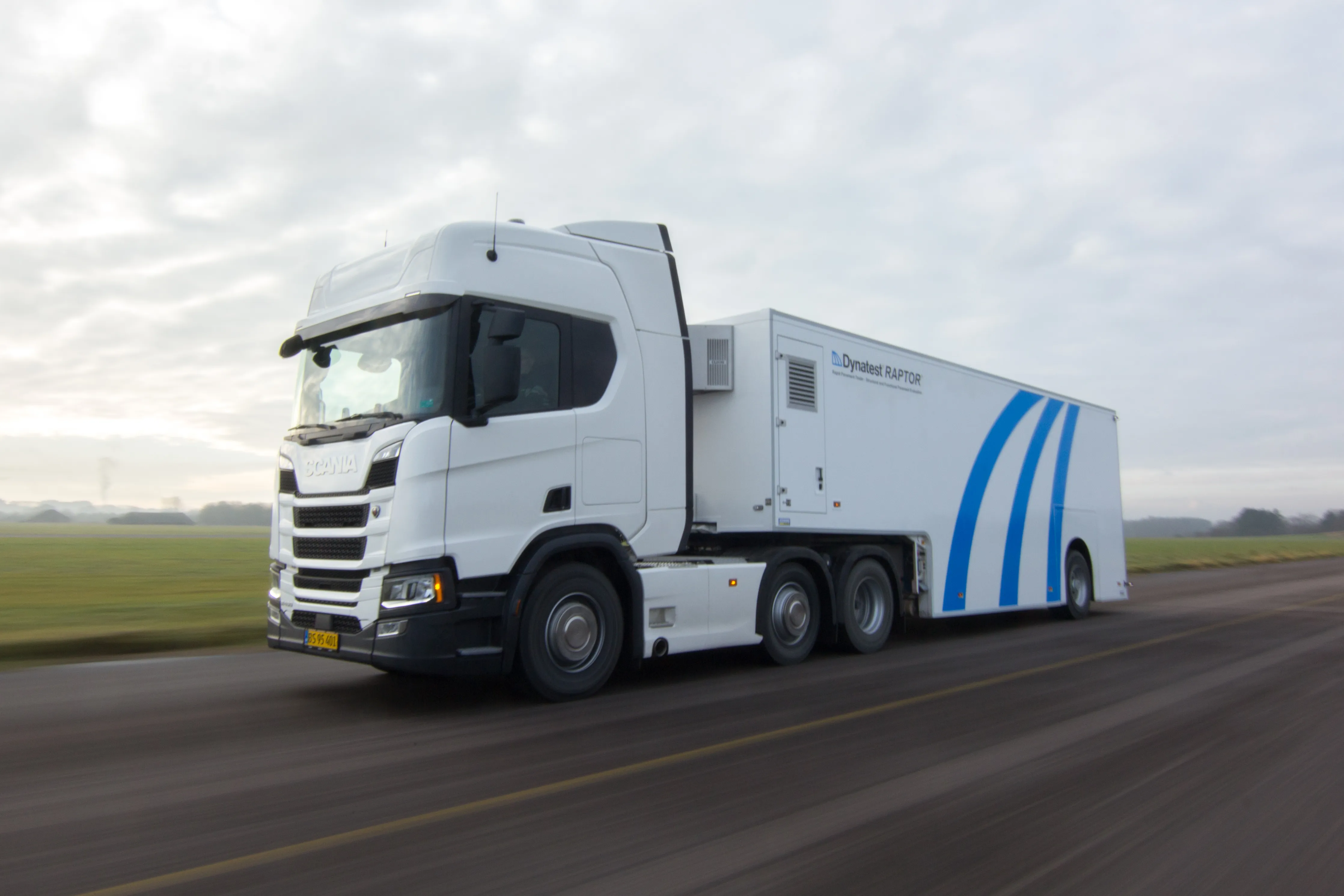
    Two new technologies for non-destructive testing offer key benefits, one suiting road surfaces, the other suiting concrete structures - Kristina Smith reports Dynatest has developed a new way to measure and record the state of pavements, using a machine that travels at the same speed as traffic. The Rapid Pavement Tester (Raptor) has been seven years in the making and offers road owners the chance to have comprehensive surveys without the need to disrupt traffic. “People have been wanting to do this for
  • Hydrogen engines for production in 2025
    February 27, 2023
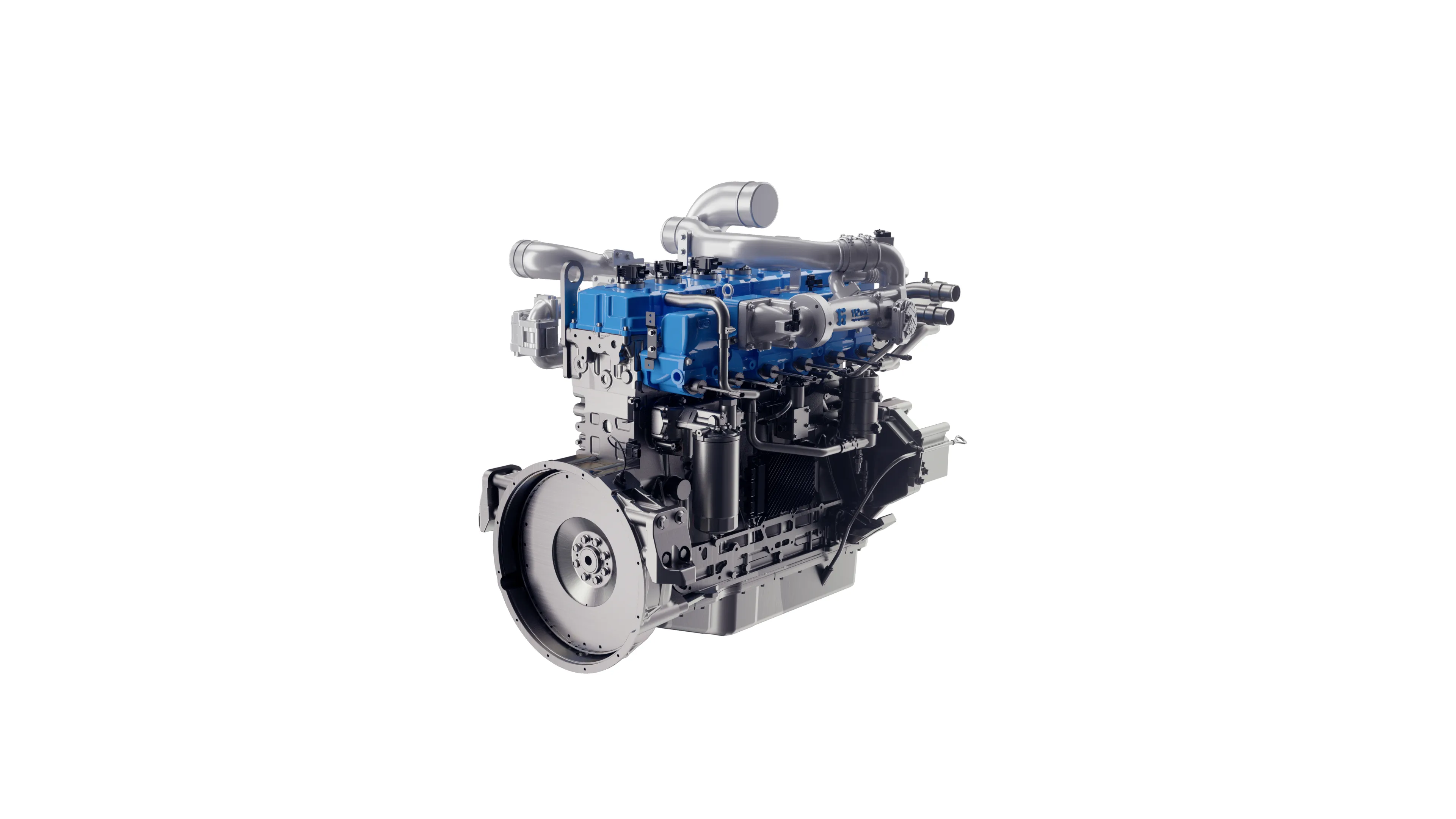
    Hydrogen engines will be in production in 2025.