WJ to improve Contramark system

An update is coming for the Contramark II temporary road stud installation system.
By David Arminas July 21, 2020 Read time: 2 mins
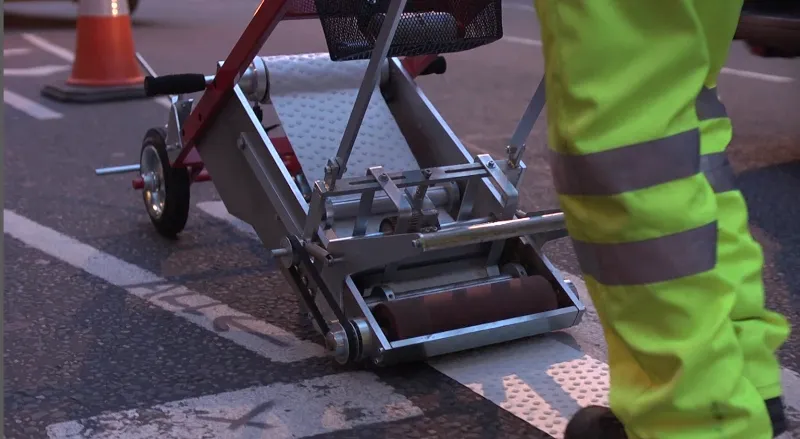
Hitting the mark: temporary tape markings with WJ’s Contramark II road safety system

UK-based road works safety specialist WJ is set to deliver this year what it says will be the first accelerated-wear testing device for road studs.

The company also said that it will be updating its Contramark II temporary road stud installation system during the year. Improvements, too, have been made to its Hydroblast line removal process and the company’s Captive Shot Retexturing equipment.

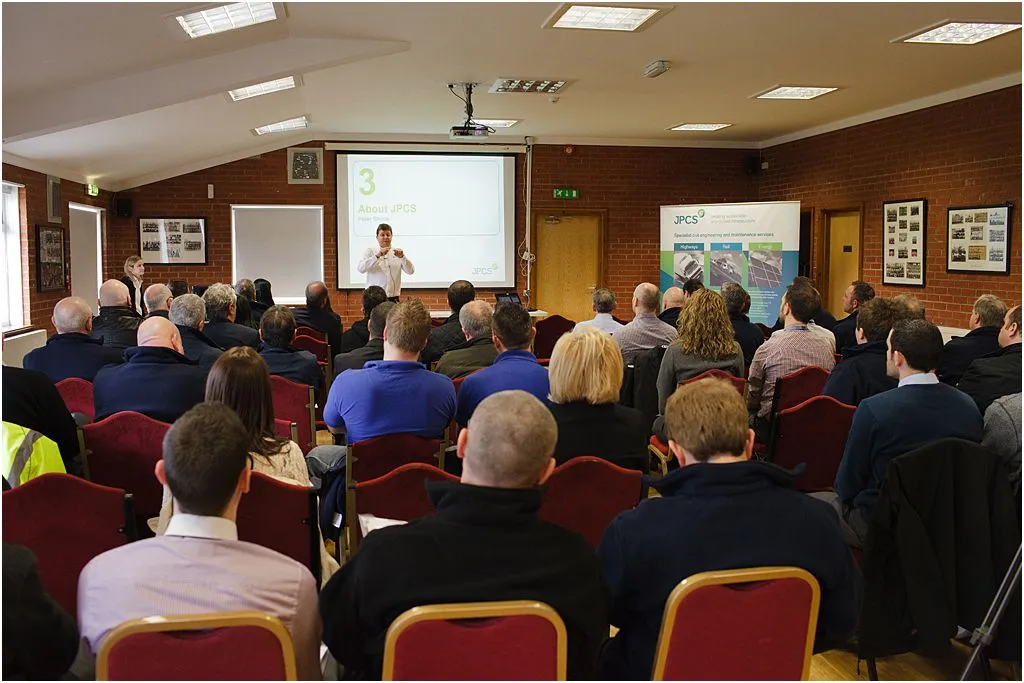
Company executives revealed their plans during a safety conference in southwest England earlier this year.

The Contramark Fully Automated Surface Applied Temporary Road Stud System consists of temporary tape markings and “stick-on” road studs.

“It is still very frustrating that there is no live test bed in the UK where we can check performance of our new ideas,” said Martin Webb, operations director at WJ. “Usually we have to go to Belgium for road trials, but this latest investment is a step change for testing road studs as well as other highway maintenance and traffic products. The equipment will be initially for our own use but ultimately made available for anyone in the highways sector to utilise as well.”

WJ has developed an LGV Driver Performance Monitoring and Reward Programme. Speeding, harsh cornering, severe braking, rapid acceleration and stop-sign violations are monitored on a system within the vehicle’s cab. From this information, WJ produces a league table for drivers in each of its depots with the top of the league receiving a cash prize every month and then again at the end of the year.

More information is available from the website of WJ.
For more information on companies in this article

Related Content

  • Dowel bar drilling selection poses challenges
    January 11, 2013
    Pneumatic concrete dowel drills have one purpose – to drill holes. While their intended use is easy to recognize, operation of this equipment isn’t quite so simple. In fact, it’s a bit of a science. That’s not to say they’re difficult to operate. But there are certain best practices and processes to keep in mind for proper drill operation, whether it’s an on-grade, slab-rider or equipment-mounted model. Operators who adopt these guidelines and implement them on every job are rewarded with better performance
  • JPCS stage successful Innovation Day
    April 28, 2014
    JPCS highlighted the benefits of its alternative traditional concrete foundation solution, Groundscrew, its hand-applied microasphalt product, Rejuovopatch, and Slurry Seal, its 6mm and 15mm waterproofing solution, during the UK firm’s recent Innovation Day in county Shropshire, England.
  • UK death rate not falling fast enough in The Reported Road Casualties Great Britain Report 2013
    September 26, 2014
    Road safety lobby groups have criticised Britain for pushing down its annual road fatality rate by a further 2% in the past year, the lowest figure since records began in 1926. The Reported Road Casualties Great Britain 2013 (RRCGB) Annual Report, published in September 2014, reveals that 1,713 people were killed in road accidents in the country during 2013, with the number of people seriously injured down by 6% to 21,657 versus 2012.
  • BREXIT reprieve for NRMM engines
    October 2, 2020
    The UK has revised its guidelines for placing manufactured goods on the UK market.