A new US$350 million road project by the Israel National Roads Company will boost connectivity from the north to the centre of the country. The project is seeing the opening of new interchanges and roads in western Galilee. The aim of the project was to double the traffic capacity on Road 77, the Hamovil and Somech junctions and road No 79 that connects them.

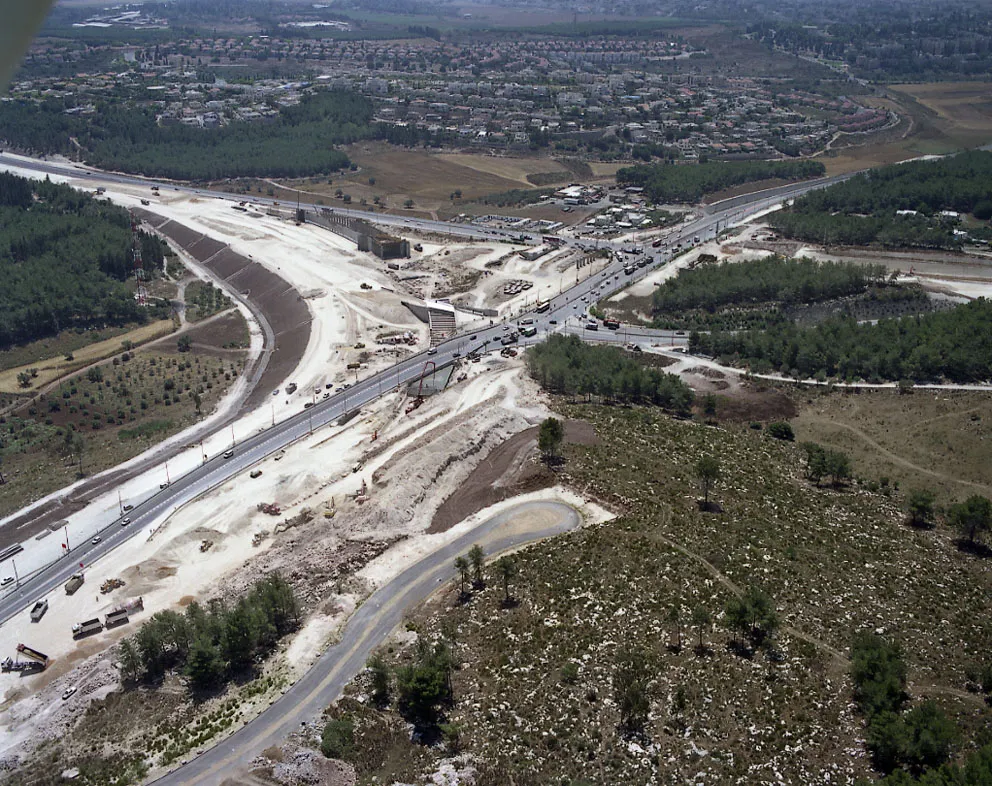
A new US$350 million road project by the 2602 Israel National Roads Company will boost connectivity from the north to the centre of the country. The project is seeing the opening of new interchanges and roads in western Galilee. The aim of the project was to double the traffic capacity on Road 77, the Hamovil and Somech junctions and road No 79 that connects them. This will improve safety and increase capacity on the road to Nazareth, the Sea of Galilee and back. The work increases the speed limit to 100km/h and reduce journey times, while delivering safe and high-quality roads for users. The work has been needed as Road No 79 is a central east-west artery connecting the Nazareth metropolis with the metropolis of Haifa.
The project included construction of interchanges at the Hamovil and Somech junctions, which are among the most important of their kind in northern Israel. This project forms an integral part of the Netivei Israel plan, programme designed to boost the transportation network between the country's centre, the Negev (the south) and Galilee (the north).
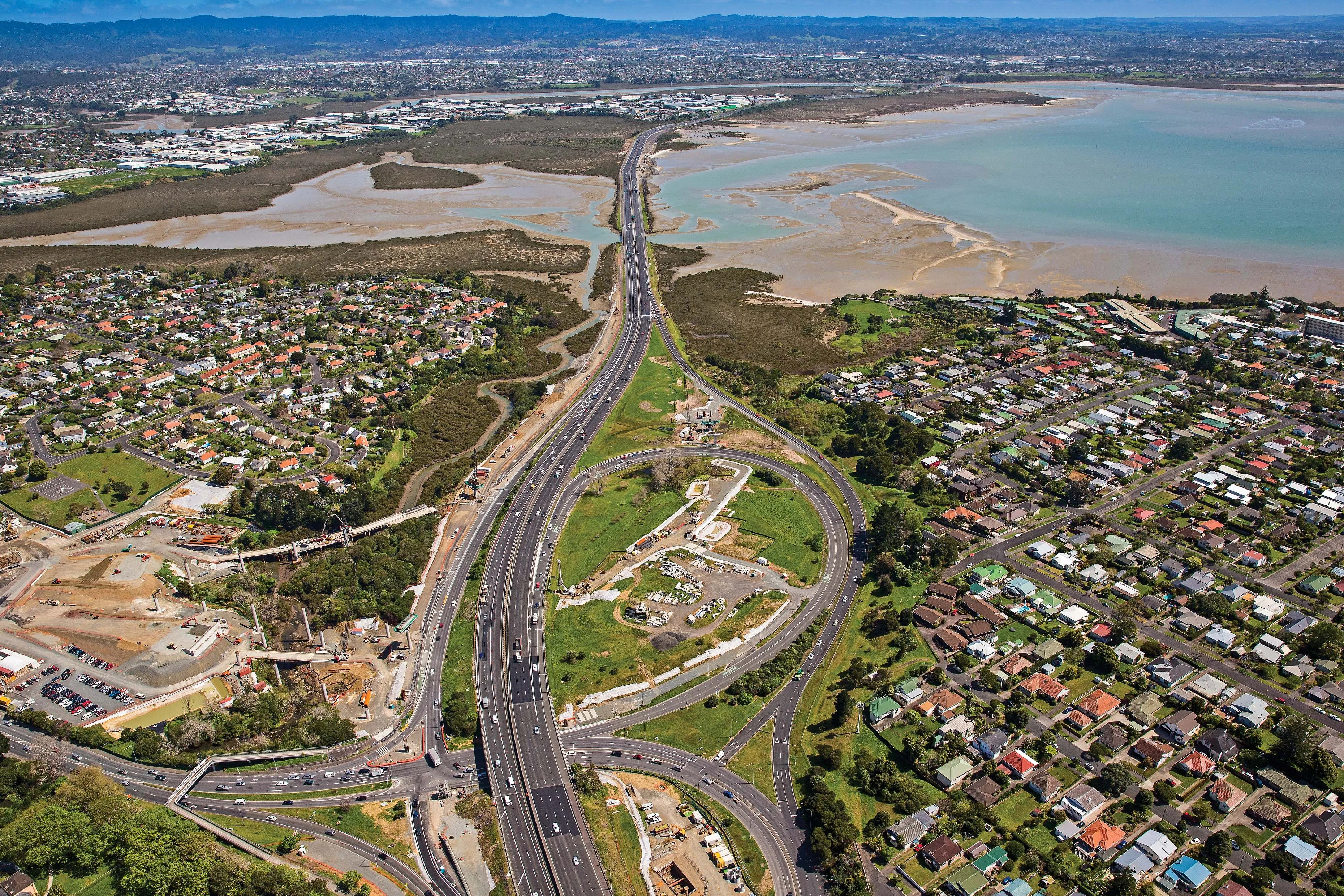
The work involved widening the roads by adding a lane in each direction, construction of a 120m long bridge at Hamovil interchange, construction of a three level interchange at Somech and the installation of a concrete safety barrier between lanes. The work also encompassed expanding the road shoulders, upgrading Ishai junction, landscaping works, improving junctions and construction of five mini-interchanges, the addition of bus stations and building paths for pedestrians.
The new interchanges serve residents of the Jezreel valley, Sea of Galilee, Nazareth and its surroundings. Road No 77 to Hamovil interchange and Road No 79 from Hamovil interchange to Somech interchange have been expanded into two-lane roads, and the permitted driving speed was increased to 100km/h.
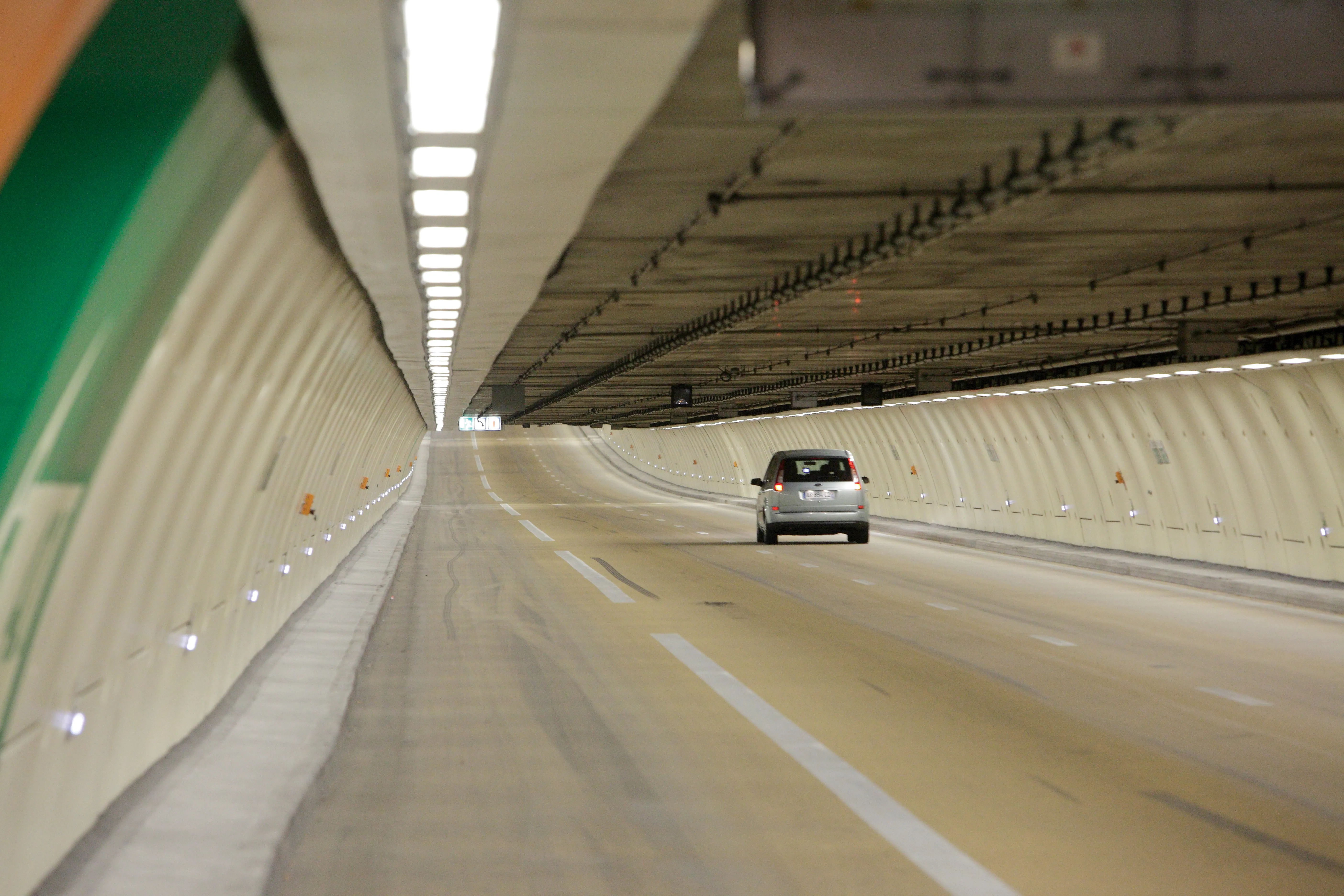
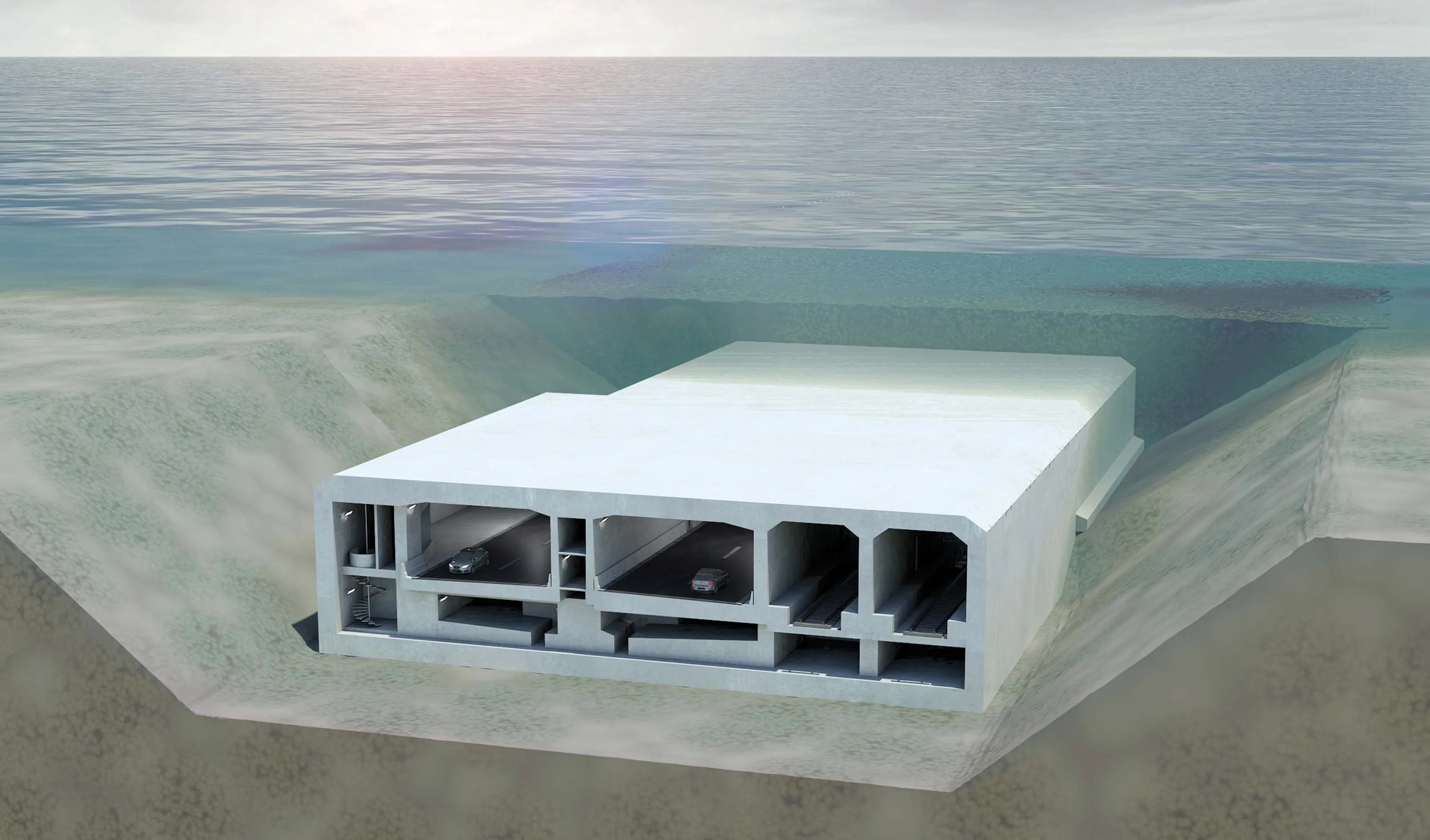
At Somech interchange, the junction of roads No 70 and No 79 has been transformed into a rapid interchange, with a tunnel for drivers from the Galilee to Haifa on the lower level, and at its center open space of a light railway. The revsied Somech interchange also eliminates most of the traffic lights at the junction.
Construction of the interchange was designed to bring forward the connection to the Cross-Israel Highway (Highway 6) when it will be continued to the north, toward the western Galilee. In its center, space was allocated for the future construction of a light railway line between the Krayot (Haifa suburbs) and Nazareth.
The interchange work was carried out over the past two and a half years and included building a 100m long bridge and upgrading the major roads entering and exiting the interchange. Work was conducted with minimal interference to the heavy traffic in the area.
The project included construction of interchanges at the Hamovil and Somech junctions, which are among the most important of their kind in northern Israel. This project forms an integral part of the Netivei Israel plan, programme designed to boost the transportation network between the country's centre, the Negev (the south) and Galilee (the north).
The work involved widening the roads by adding a lane in each direction, construction of a 120m long bridge at Hamovil interchange, construction of a three level interchange at Somech and the installation of a concrete safety barrier between lanes. The work also encompassed expanding the road shoulders, upgrading Ishai junction, landscaping works, improving junctions and construction of five mini-interchanges, the addition of bus stations and building paths for pedestrians.
The new interchanges serve residents of the Jezreel valley, Sea of Galilee, Nazareth and its surroundings. Road No 77 to Hamovil interchange and Road No 79 from Hamovil interchange to Somech interchange have been expanded into two-lane roads, and the permitted driving speed was increased to 100km/h.
At Somech interchange, the junction of roads No 70 and No 79 has been transformed into a rapid interchange, with a tunnel for drivers from the Galilee to Haifa on the lower level, and at its center open space of a light railway. The revsied Somech interchange also eliminates most of the traffic lights at the junction.
Construction of the interchange was designed to bring forward the connection to the Cross-Israel Highway (Highway 6) when it will be continued to the north, toward the western Galilee. In its center, space was allocated for the future construction of a light railway line between the Krayot (Haifa suburbs) and Nazareth.
The interchange work was carried out over the past two and a half years and included building a 100m long bridge and upgrading the major roads entering and exiting the interchange. Work was conducted with minimal interference to the heavy traffic in the area.