Infrastructure construction in China is booming as never before, but sealing the world’s longest immersed tunnel is a technically complex engineering project. The impressive Hong Kong-Zhuhai-Macau fixed link project in China includes an immersed tunnel with a record-breaking length of almost 7km. In 2009 construction began on a project to link the island of Hong Kong with Macau and the mainland Chinese city of Zhuhai. The link will be one of the region’s most technically complex engineering projects ever. I

Infrastructure construction in China is booming as never before, but sealing the world’s longest immersed tunnel is a technically complex engineering project
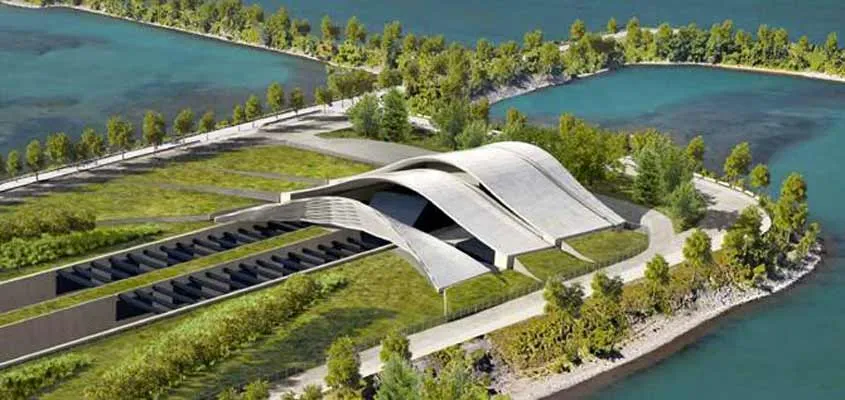
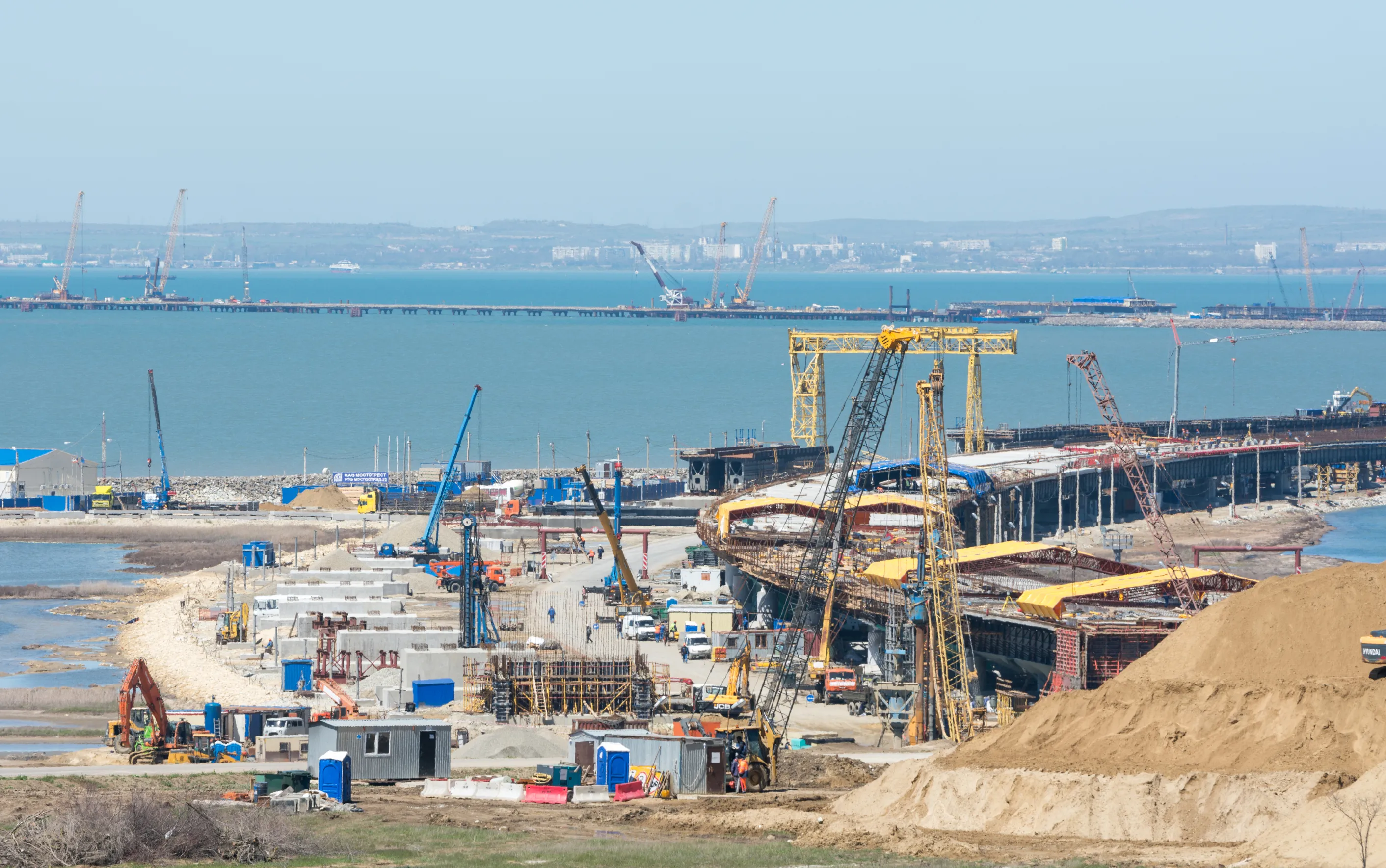
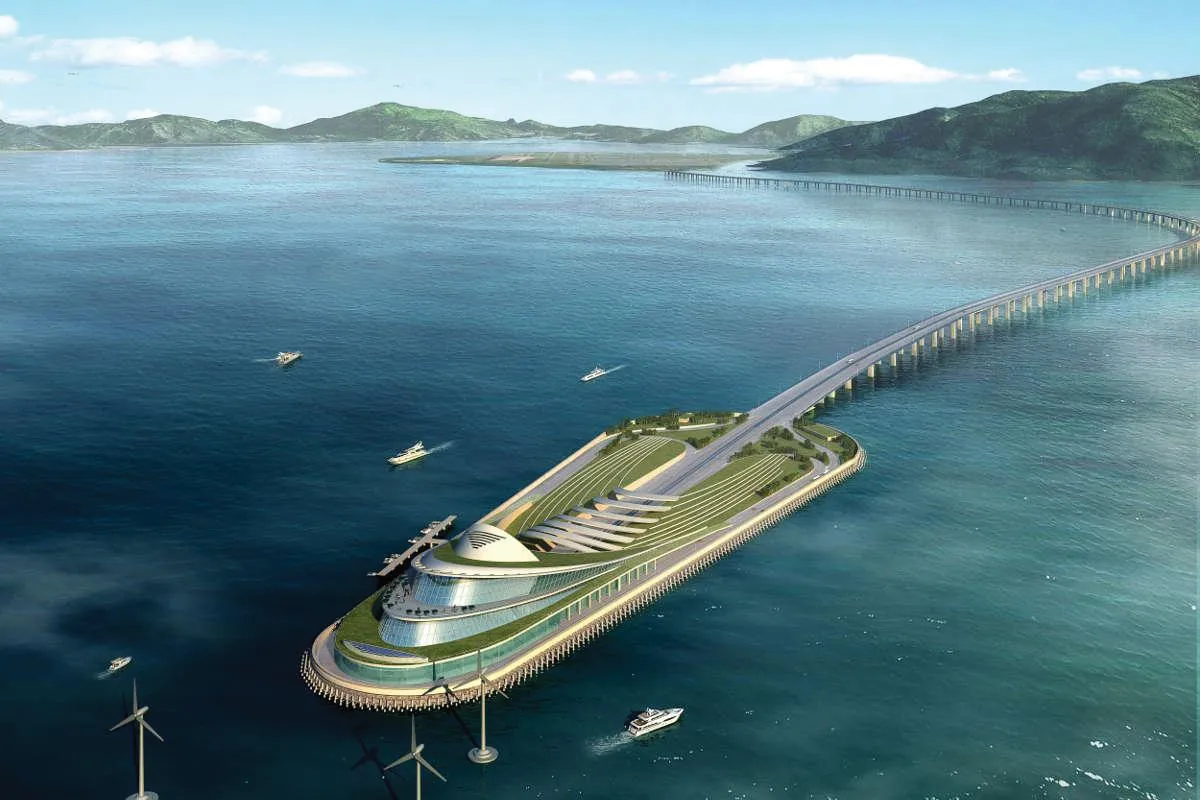
The impressive Hong Kong-Zhuhai-Macau fixed link project in China includes an immersed tunnel with a record-breaking length of almost 7km.In 2009 construction began on a project to link the island of Hong Kong with Macau and the mainland Chinese city of Zhuhai. The link will be one of the region’s most technically complex engineering projects ever. It includes a 30km dual three-lane carriageway with a 23km bridge, the almost 7km tunnel and two artificial islands.
The tunnel will be the world’s longest deep water immersed tunnel for road traffic.
Originally proposed by prominent Hong Kong businessman Gordon Wu in 1983, the Hong Kong-Zhuhai-Macau fixed link when completed in 2016 will enhance deeper economic integration between Hong Kong and the Pearl River Delta region in southern China.
In October 2011,
Trelleborg Infrastructure’s seals were chosen for their innovative design that stay watertight even in the event of seismic activity. The joints will be sealed with a Trelleborg sealing system consisting of Gina gaskets, Omega seals and waterstops as well as other seal designs.
Given the size of the project and its huge engineering challenges, CCCC stressed that it wanted the highest possible quality.
“We were able to offer a total sealing system. We could also show a good reference list that included many big tunnel projects in China, and we have been able to support CCCC with our outstanding engineering knowledge,” says Ruud Bokhout, business development director at Trelleborg Infrastructure in the Netherlands.
Over the past decades, Trelleborg has supplied gaskets and seals for many tunnels in China including those in Ningbo, Shanghai, Guangzhou and Tianjin as well as in Hong Kong.An immersed tunnel consists of several large, long concrete elements that are constructed onshore. Seals are used between the sections to keep the water out of the tunnel. Each element is towed by barges to its final position and then immersed in the water.
“The bigger seals will be manufactured in the Netherlands, while the smaller seals and waterstops will be produced in Trelleborg’s plant in Qingdao, China,” says Bokhout.
A major challenge in the project is the water depth of more than 40m. The tunnel will be constructed on a soft seabed requiring soil improvement to prevent the elements from settling in the rough open waters beneath navigation channels which are trafficked by the world’s largest ships.
The geographical area bears many similarities to the Busan-Geoje fixed link in South Korea, which opened in 2010 and for which Trelleborg was the supplier of Omega seals.
The tunnel design also has to address the risk of earthquakes. The seals between the tunnel elements must be extremely resilient and stay watertight when exposed to seismic ground movements.
With 33 large elements submerged at depths of more than 40m below the surface, the project pushes the boundaries of what is technically possible.
“Safety is of paramount importance, and our products are critical, especially as it is virtually impossible to make repairs once the tunnel is in place,” says Bokhout.
Trelleborg’s Gina gaskets are used as primary seals, while its Omega seals are the secondary seals, used mainly for backup to ensure everything is 100%.
The Hong Kong-Zhuhai-Macau tunnel project will contain 34 Gina gaskets with circumferences of around 90m (produced in a mould) each weighing nine tonnes, and they must be transported in a 12m open-top container.
There will also be 34 large and 219 smaller Omega seals as well as rubber waterstops with vulcanised steel strips to make the concrete sections watertight.