Scientists at the University of Lancaster in England are using 3D data produced by Bluesky to refine a tree failure-risk model
Pinpointing trees that might collapse onto roads and other infrastructure currently uses complex wind analysis techniques to assign a level of risk to individual trees. The data is Bluesky’s UK National Tree Map, laser mapped 3D height models, colour infrared (CIR) data and soil data. It will help identify individual trees and their proximity to roads as well as electricity insta

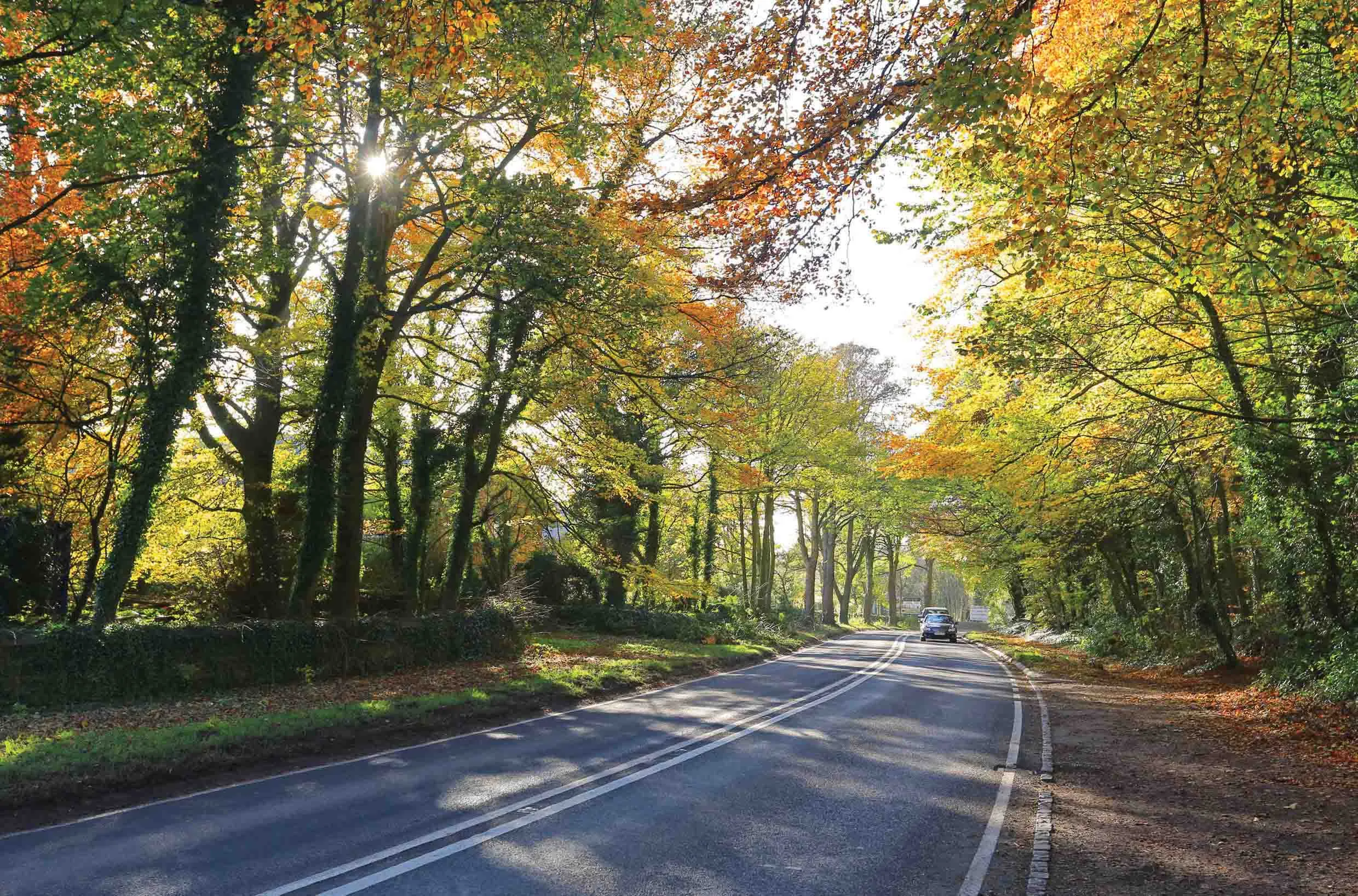
Scientists at the University of Lancaster in England are using 3D data produced by Bluesky to refine a tree failure-risk model
Pinpointing trees that might collapse onto roads and other infrastructure currently uses complex wind analysis techniques to assign a level of risk to individual trees. The data is6242 Bluesky’s UK National Tree Map, laser mapped 3D height models, colour infrared (CIR) data and soil data. It will help identify individual trees and their proximity to roads as well as electricity installations and rail infrastructure.
The data allows a more detailed assessment of tree location, health and other features that may cause failure. Bluesky says that this is the first tree failure prediction model to approach the problem using individual tree parameters, rather than entire tree stands.
“The aim of the project is to develop a scientifically based, robust and objective method to predict tree failure in severe weather conditions,” said Alan Blackburn, senior lecturer at the university’s Lancaster Environment Centre.
“Using the Bluesky data, we will refine our existing model with better identification and location of individual trees and groups of trees. The data will also help us identify trees that may be in poor health or have other features that may contribute to failure, and therefore better inform pre-emptive measures.
“We are also working with Bluesky to create a web-based GIS application embedding the prediction model. This would deliver the results to users across a range of sectors and applications in an intuitive and interactive map format.”
The first phase of work has been completed resulting in a functioning model that can run historic wind events or future wind predictions and assign a risk to each tree, explained James Eddy, technical director of Bluesky. “By improving the initial representation of tree characteristics and context with our National Tree Map data, LiDAR height models and NDVI classification, it is hoped it will be possible to simulate individual tree failures and their impact on infrastructure networks.”
The project - Delivering Resilient Power, Road and Rail Networks by Translating a Tree Failure Risk Model for Multi-Sector Applications - is led by Lancaster University with funding from NERC (Natural Environment Research Council) and Scottish Power.
Other stakeholders include UK Power Networks, Scottish Power,4068 Transport Scotland, Scottish Water, Atkins Global, ADAS and the British Geological Survey.
Pinpointing trees that might collapse onto roads and other infrastructure currently uses complex wind analysis techniques to assign a level of risk to individual trees. The data is
The data allows a more detailed assessment of tree location, health and other features that may cause failure. Bluesky says that this is the first tree failure prediction model to approach the problem using individual tree parameters, rather than entire tree stands.
“The aim of the project is to develop a scientifically based, robust and objective method to predict tree failure in severe weather conditions,” said Alan Blackburn, senior lecturer at the university’s Lancaster Environment Centre.
“Using the Bluesky data, we will refine our existing model with better identification and location of individual trees and groups of trees. The data will also help us identify trees that may be in poor health or have other features that may contribute to failure, and therefore better inform pre-emptive measures.
“We are also working with Bluesky to create a web-based GIS application embedding the prediction model. This would deliver the results to users across a range of sectors and applications in an intuitive and interactive map format.”
The first phase of work has been completed resulting in a functioning model that can run historic wind events or future wind predictions and assign a risk to each tree, explained James Eddy, technical director of Bluesky. “By improving the initial representation of tree characteristics and context with our National Tree Map data, LiDAR height models and NDVI classification, it is hoped it will be possible to simulate individual tree failures and their impact on infrastructure networks.”
The project - Delivering Resilient Power, Road and Rail Networks by Translating a Tree Failure Risk Model for Multi-Sector Applications - is led by Lancaster University with funding from NERC (Natural Environment Research Council) and Scottish Power.
Other stakeholders include UK Power Networks, Scottish Power,