Smart intelligent compaction system from Dynapac

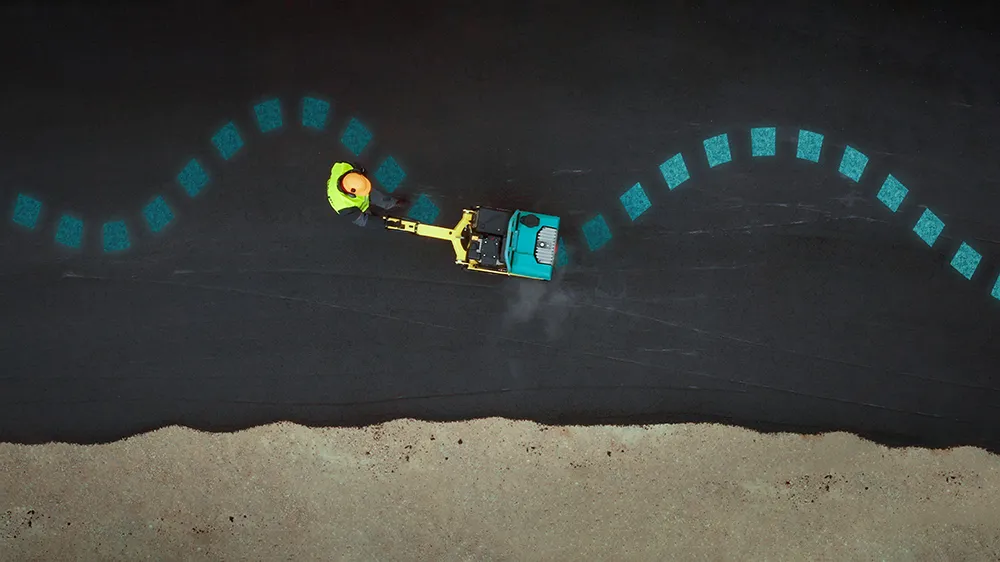
Dynapac is making an important introduction to its asphalt compaction line in the shape of its innovative Seismic technology. First developed for use in soil compaction, the resonant frequency, self-sensing Seismic system is now available as an option for the more complex asphalt compaction segment. A spokesperson for Dynapac said, “It was more complicated and took five years of R&D and needed a lot of testing.”
April 2, 2024 Read time: 2 mins
Dynapac’s intelligent Seismic compaction system now offers optimum performance for asphalt works

He explained that as temperature is a critical factor for stiffness in asphalt compaction and because the material is in layers, the system required heat sensors to be installed and more complex algorithms to be developed. As with the system for soil compaction, the technology allows drum vibration to match the resonant frequency of the asphalt course to provide optimum compaction. Because the system matches the compaction forces required to the characteristics for a specific section of surface, it also offers another important benefit as the spokesperson said, “You will never damage the aggregate.” This avoids the risk of aggregate being cracked or crushed by compaction forces. He added, “The seismic system adjusts the frequency every 0.2 seconds.”

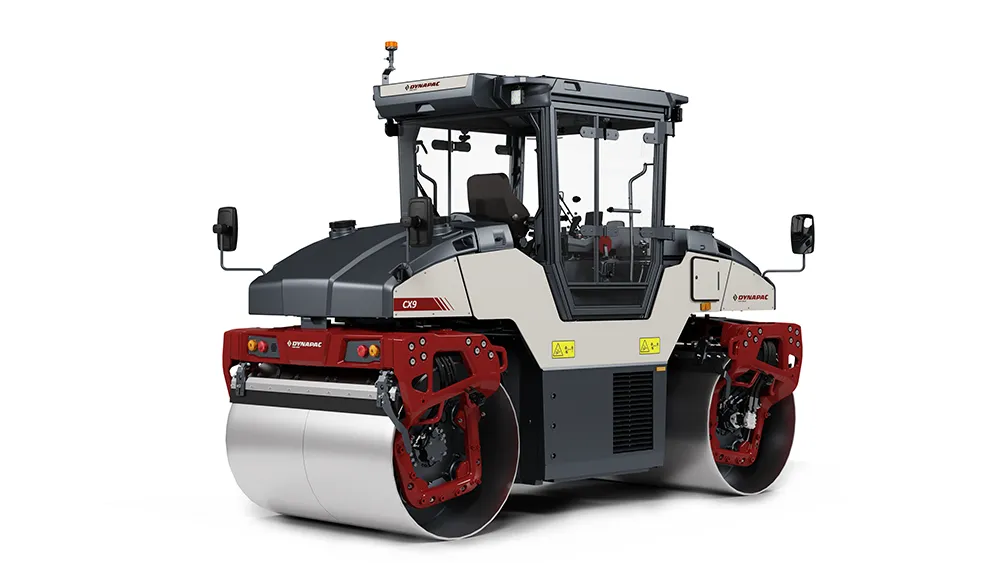
The system is now offered as an option on the new rigid frame CX 8C and CX 9C models, which have drum widths of 1.5m and 1.7m and weights of 8tonnes and 9tonnes respectively. These models have also now been upgraded to the Generation 6 level seen earlier on the 6, 10 and 13tonne class machine. Meanwhile, the 6, 10 and 13tonne Generation 6 models will be made available in Seismic form as an option later in the year.

To meet French requirements these Generation 6 drum steer machines deliver 0.8mm of amplitude and benefit from larger eccentric weights and reinforced bearings. This specification is now the standard for the CX models. The vibration system itself is conventional though and does not require any special maintenance as the core of the technology is in the control unit, while it is said to be simple for the operator to use.

Other key benefits for the Seismic option are reduced operating noise, less vibration for the machine (in turned reducing wear and tear and fatigue for the operator) and lower fuel consumption. The spokesperson said, “We estimate around 10% fuel savings.”
For more information on companies in this article

Related Content

  • Smooth paving achieved for a race track
    April 16, 2021
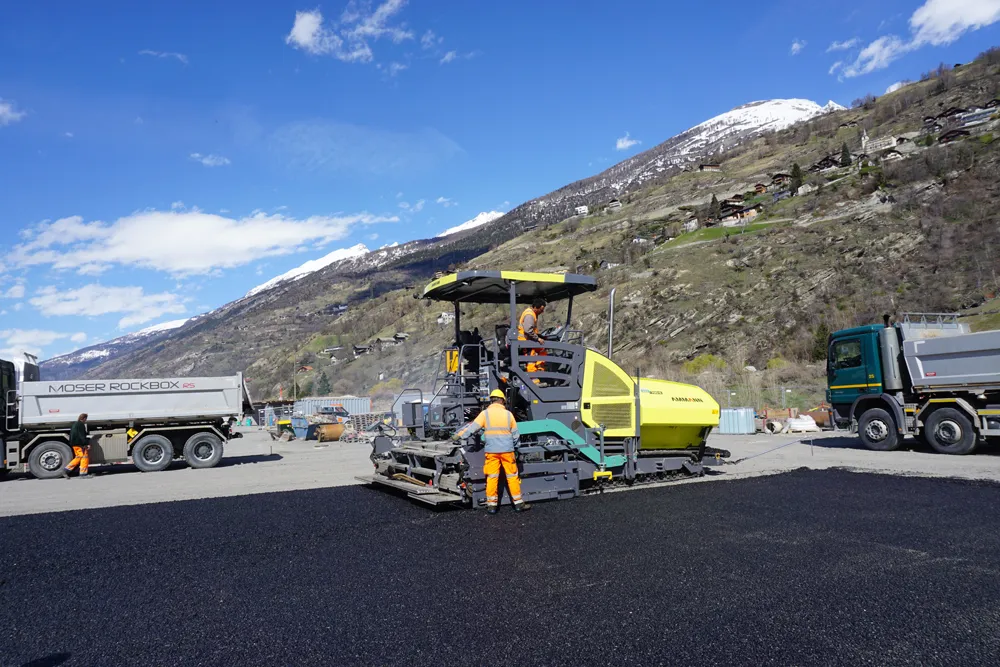
    According to Ammann, its latest asphalt pavers and compactors can help deliver sustainable road building needs. The firm’s latest asphalt pavers now feature EcoMode technology that automatically adjust engine speed to jobsite requirements through a variably controlled system. This package reduces fuel consumption as well as machine noise and also helps to extend engine life.
  • Productive milling on Japanese highway
    February 27, 2019
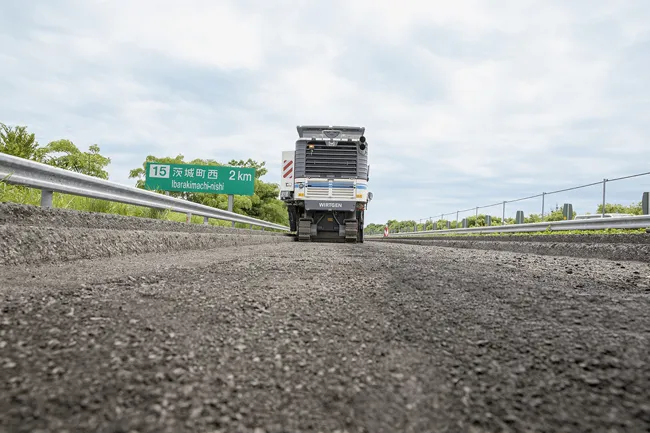
    A large milling machine from Wirtgen has been used to remove the top two asphalt layers of a key route in Japan in the city of Mito, around 140km north-east of Tokyo
  • Asphalt plant technology and effects on production costs
    November 14, 2017
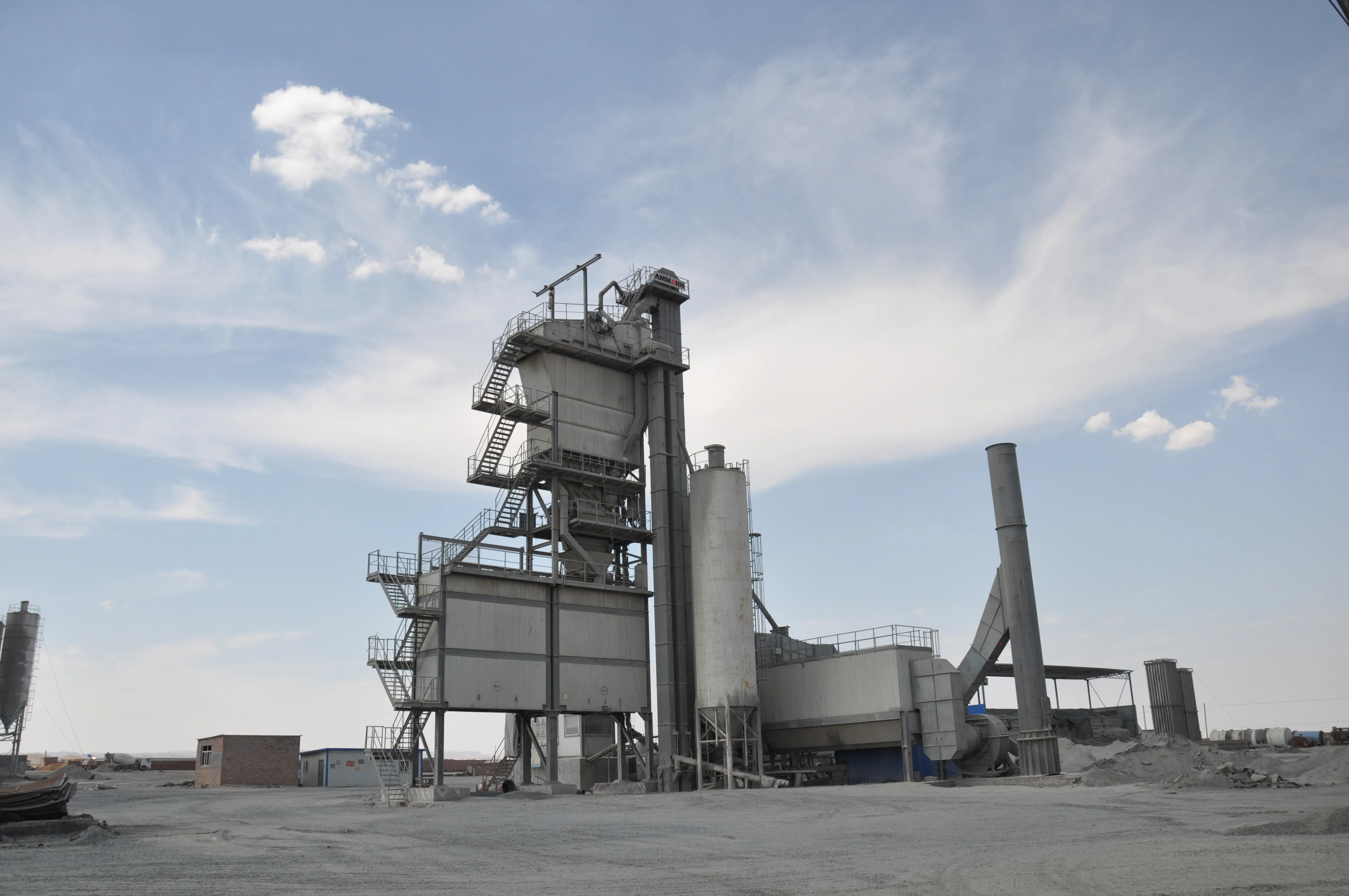
    Asphalt plants are industrial units capable of producing asphalt on a full-scale basis An asphalt plant has several key functions and is designed to accurately dose the aggregates and asphalt to ensure the correct proportions, as established in the mix. The plant should dry and heat the aggregates completely, regardless of their nature and characteristics, in order to obtain perfect adhesiveness with the asphalt binder. The drying system’s combustion gases have to be filtered so that fine aggregates tran
  • Advances in US paving machines and material feeders
    May 30, 2013
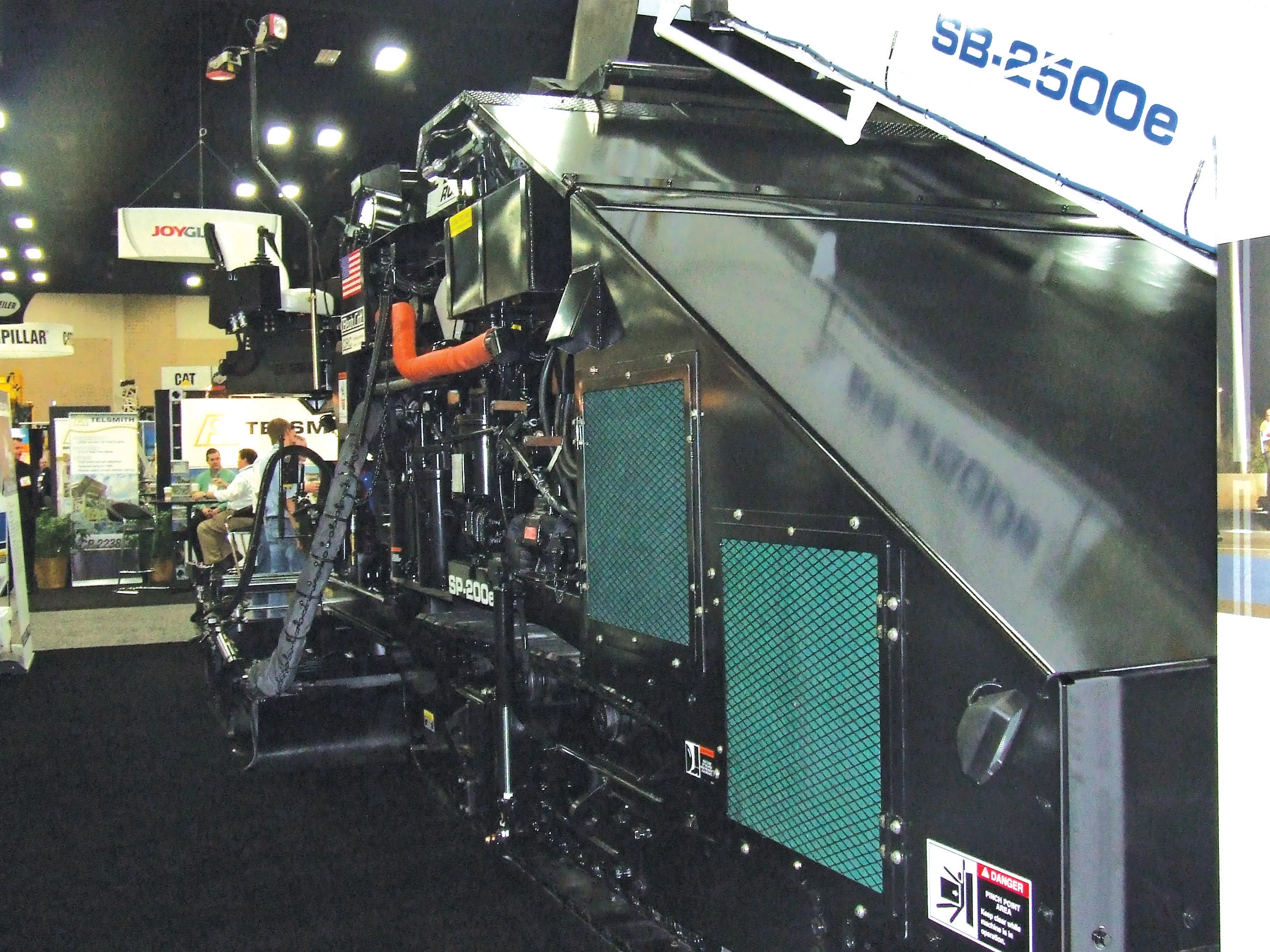
    Paving machines vary considerably in North America compared with those units used elsewhere. On a worldwide basis, pavers with tamper bar screeds are popular having been developed in Europe and also favoured by Japanese and Chinese firms. But in the US the length of highways to be constructed resulted in a focus on high production pavers, which still continues today. North America and Latin America are key markets for these machines, with Australia being one of the few territories to employ both European an