Racing restrictions

Each car racing fan attending Australia's popular Bathurst 1000 event will be restricted to drinking a mere 24 375ml cans of beer/day. The measures have come about as police want to reduce alcohol-related crime. However, racing fans will be allowed up to 36 cans/day of low-mid strength alcohol beers. Meanwhile wine drinkers at the event will only be allowed 4litre wine/day each. The police are also urging people travelling to Bathurst to drive safely. Presumably, police will also be monitoring speed and alc
February 23, 2012 Read time: 1 min
Each car racing fan attending Australia's popular Bathurst 1000 event will be restricted to drinking a mere 24 375ml cans of beer/day. The measures have come about as police want to reduce alcohol-related crime. However, racing fans will be allowed up to 36 cans/day of low-mid strength alcohol beers. Meanwhile wine drinkers at the event will only be allowed 4litre wine/day each. The police are also urging people travelling to Bathurst to drive safely. Presumably, police will also be monitoring speed and alcohol levels amongst fans driving away from the event once the racing is over.

Related Content

  • Which way now?
    March 1, 2012
    Drivers using GPS navigation systems are being urged not to trust their devices too closely by police forces. In the Australian state of Victoria, police are telling drivers not to throw away their maps after a series of incidents in which motorists in ordinary road cars have become stranded after following GPS directions and taking routes only accessible to four-wheel drive vehicles.
  • New junction designs for Nairobi to cut congestion
    June 30, 2014
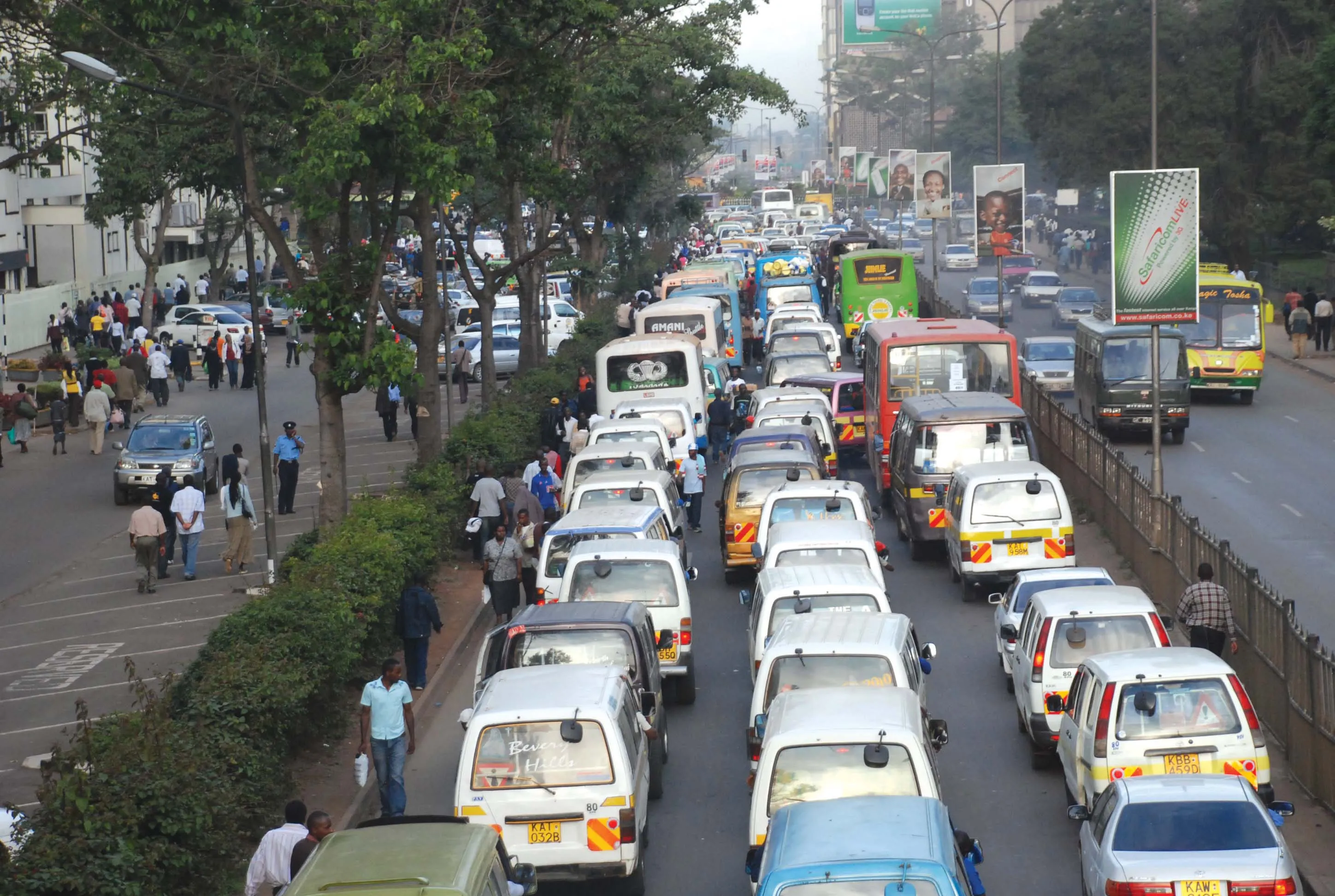
    New junctions could cut chronic congestion in Kenyan capital Nairobi – Shem Oirere reports Kenya plans to replace all T-junctions in the country’s capital Nairobi with acceleration and deceleration lanes to address a crippling vehicle traffic regime estimated to consume $580,000 daily. “We will replace the junctions with acceleration and deceleration lanes,” said John Mosonik, the principal secretary in Kenya’s ministry of transport. He said the acceleration lanes, which allow cars joining the main road t
  • Measures needed to increase awareness of cyclists
    May 4, 2012
    The latest official data shows a continuing improvement in road safety statistics in both France and the UK. However the data also reveals worrying trends in accidents concerning vulnerable road users. Department for Transport figures for 2010 have revealed a 17% drop in road fatalities to 1,850. But 111 pedal cyclists died in 2010, compared with 104 in 2009, with cyclist fatalities in capital London of particular concern. The DfT believes that the severe winter weather, lower traffic in general due to th
  • Drowsy driving dangers for road users
    November 2, 2018
    Up to 25% of fatal road crashes in the UK are caused by drowsy driving. This is the result of research carried out jointly by the AA Charitable Trust. The research suggests that men and young drivers are most likely to be at risk from drowsy driving. Meanwhile the research shows that 13% of UK drivers admit falling asleep at the wheel. And 37% say they have been so tired they have been scared they would fall asleep when driving. The latest road casualty statistics show drowsy drivers contributed to 53 fat