Map Reading Skills

In Belgium a pensioner planning to drive 61km to a train station to pick up a friend made a somewhat longer journey than expected. The woman followed the advice of her satellite navigation system, which directed her through six countries in all and she ended up in Zagreb in Croatia, 1,440km from her original starting point. Despite seeing road signs in dierent languages, having to stop to refuel on a number of occasions and even parking in a roadside rest-stop for a sleep in her car, the woma
April 23, 2013 Read time: 2 mins
In Belgium a pensioner planning to  drive 61km to a train station to pick  up a friend made a somewhat  longer journey than expected. The  woman followed the advice of her  satellite navigation system, which  directed her through six countries  in all and she ended up in Zagreb  in Croatia, 1,440km from her  original starting point. Despite  seeing road signs in dierent  languages, having to stop to refuel  on a number of occasions and even  parking in a roadside rest-stop for a  sleep in her car, the woman was  not aware she had gone astray. Her  son, worried at her absence, had in  the meantime called police that  she was missing and a search had  commenced in Belgium. When she  realised her mistake on arriving in  Zagreb she was able to contact her  son and the search was called off. She did however have to drive  home another 1,440km. It is not  clear if she has bought a new  satellite navigation device, learned  to program the existing unit or  simply gone back to using a map.

Related Content

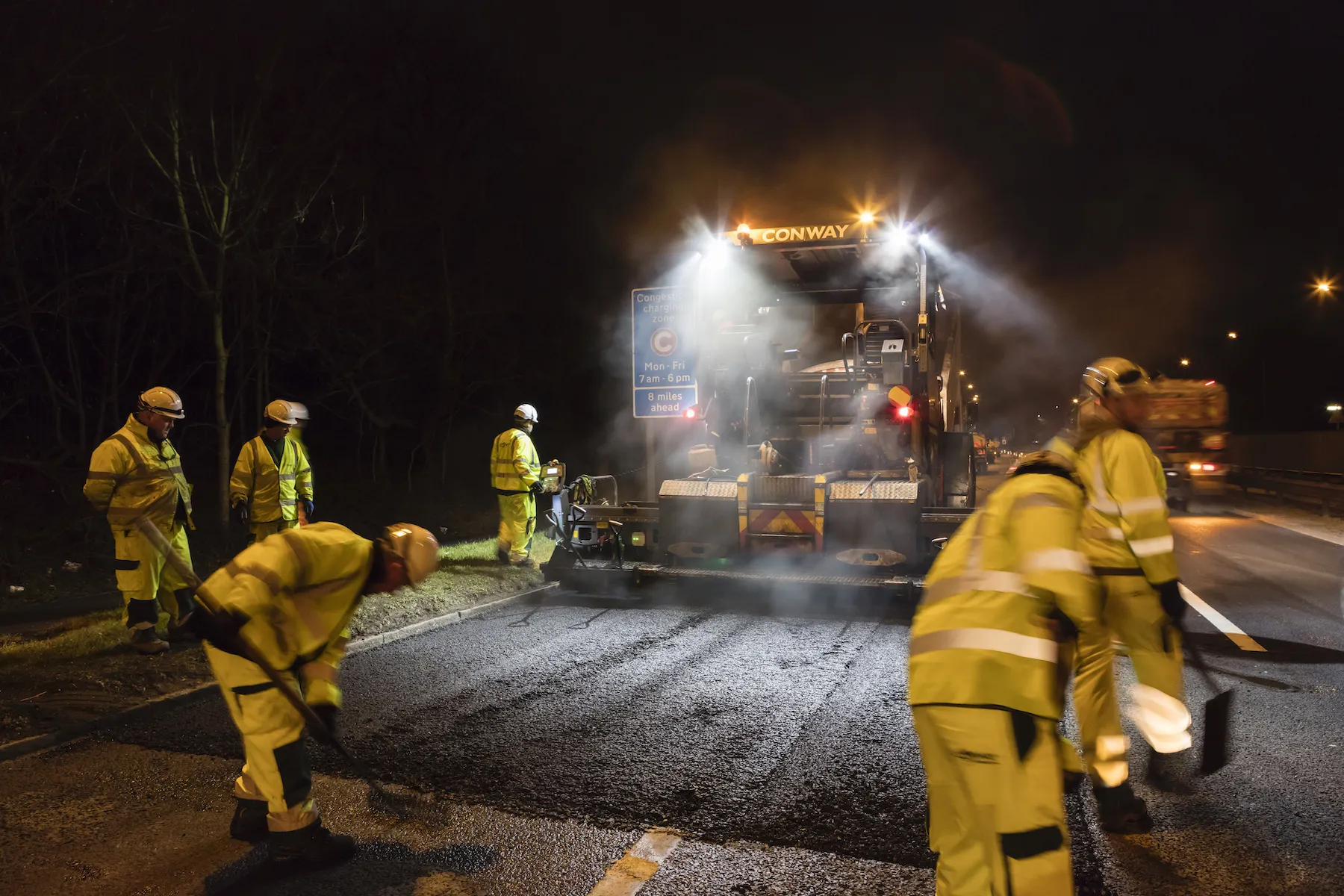
  • Highways England and Keir trial warning airbag
    May 3, 2021
    “Home Safe and Well”* is not just an inflated phrase put out by Highways England to raise awareness of work zone dangers
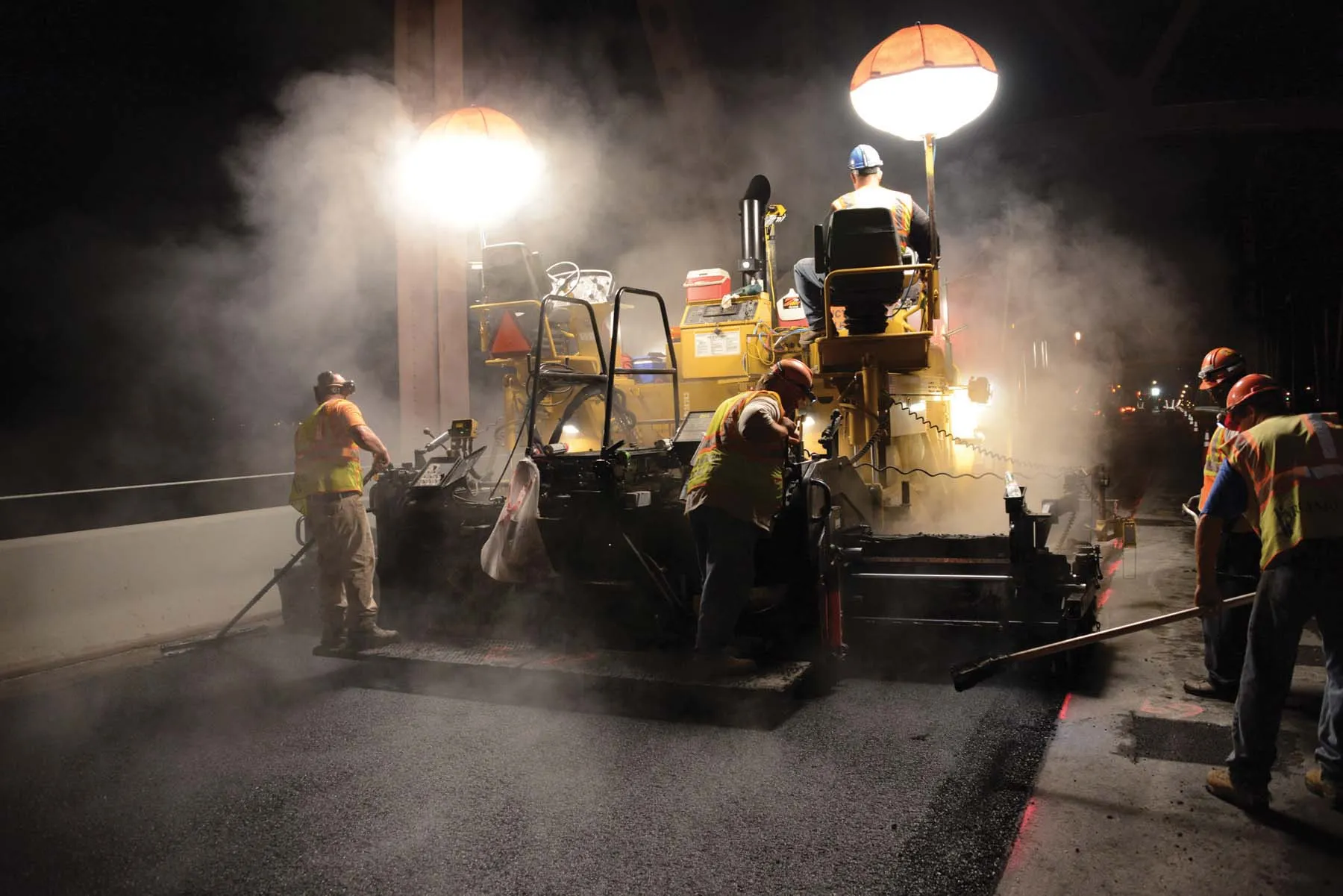
  • Caterpillar Paving offers a guide to efficient night time paving practices
    October 3, 2014
    Efficient night-time paving operations can reduce construction costs and cut traffic delays - *Todd Mansell writes As roads become more congested, the user cost of daytime lane closures to accommodate road construction and paving has increased dramatically. One solution to lower user costs associated with traffic delays is to carry out more paving at night during off-peak times. However night-time paving brings new challenges to producing quality work in safely.
  • Self-healing roads, slippery roads and slimmer roads
    November 24, 2017
    This month’s bitumen technology pages bring you self-healing roads, slippery roads and slimmer roads and explains why one UK contractor has started manufacturing its own polymer modified bitumen - Kristina Smith reports. Professor Erik Schlangen, who heads up experimental micromechanics at the Delft University of Technology is receiving calls from all round the world these days. And it is hardly surprising because he and his team have invented a great new technology: asphalt that heals itself.
  • Construction equipment market to grow - CEA report
    February 29, 2012
    The UK’s Construction Equipment Association attracted a large audience for its annual general meeting.