Low carbon concrete needs holistic approach, not just cement

The whole supply chain must be addressed if the goal of low carbon concrete is to be achieved, says Koen Coppenholle, chief executive of Cembureau, the European Cement Association. Cement makes up just 10-15% of concrete, but is the most energy-intensive ingredient – although the carbon footprint of the other elements should not be overlooked. Also, the post production carbon impacts of concrete must be considered, said Coppenholle, speaking at an Intermat forum on concrete and the challenge of low carbo
April 24, 2018 Read time: 2 mins
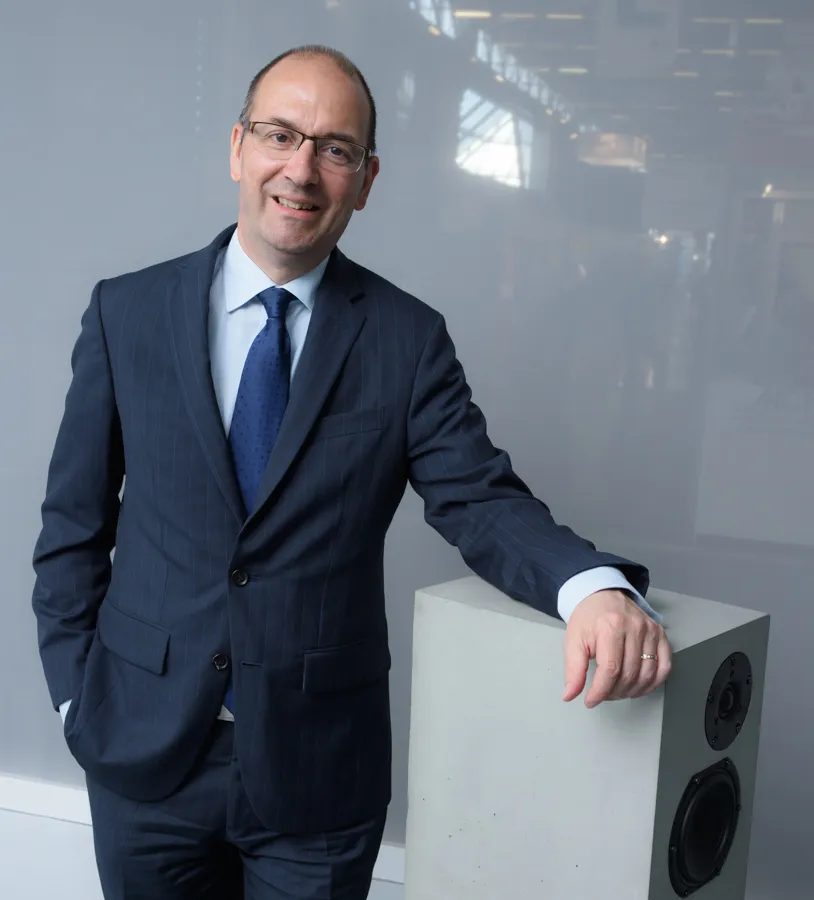
Koen Coppenholle. Chief executive of Cembureau
The whole supply chain must be addressed if the goal of low carbon concrete is to be achieved, says Koen Coppenholle, chief executive of 8764 Cembureau, the European Cement Association.


Cement makes up just 10-15% of concrete, but is the most energy-intensive ingredient – although the carbon footprint of the other elements should not be overlooked.  Also, the post production carbon impacts of concrete must be considered, said Coppenholle, speaking at an Intermat forum on concrete and the challenge of low carbon construction.

The carbon impact of concrete is a global issue, he went on. The world produces 4.6 billion tonnes of concrete per year, with China responsible for over 50% and Europe just 3.6%.

Addressing the carbon impact begins with reducing emissions in cement manufacturing, for example by increasing renewable energy use. Cembureau is also looking at carbon capture in the manufacturing process, with two pilot plants now in operation.

At the moment, only 25-30% of concrete waste is recycled in Europe. The continent has a target of increasing that to 70%, but this will require a ban on recyclable waste going to landfill, which national governments will have to implement. Other strategies to reduce the carbon impact of concrete include reducing or replacing cement with other ingredients such as polymers.
For more information on companies in this article

Related Content

  • Future-proofing construction & quarrying equipment sustainability
    February 16, 2023
    Sustainability is a huge topic across the construction and quarrying industry – not just in terms of what can be achieved tomorrow via carbon-free hydrogen fuel cells and hydrogen internal combustion engines of machine fleets, but today, through the use of smart technology to make jobsites more efficient and sustainable by getting work done right first time, every time
  • Implementing road safety initiatives
    July 13, 2012
    Blair Turner examines infrastructure options for achieving Safe System outcomes and their implementation in Australia Like a number of other developed countries around the world, Australia has recently adopted a 'Safe System' approach to addressing road safety. This approach, which stems from Sweden's Vision Zero and Sustainable Safety in the Netherlands, recognises that humans as road users are fallible and will make mistakes. There are also limits to the kinetic energy exchange that humans can tolerate (
  • The new agile world of the construction equipment industry
    June 22, 2015
    while worldwide for 2015 a crystalball would be helpful, in Europe the sector has already listed specific priorities it wants to tackle, and among these are the upcoming emissions regulations (see separate story), external trade and access to foreign markets, and market surveillance.
  • Jennifer Rumsey to succeed Tom Linebarger as Cummins president and CEO
    July 15, 2022
    Jennifer Rumsey is to succeed Tom Linebarger as Cummins president and CEO.