Crash and crash again

Police did not have to travel far when catching one drink driver who crashed his vehicle in the UK.
February 22, 2012 Read time: 1 min
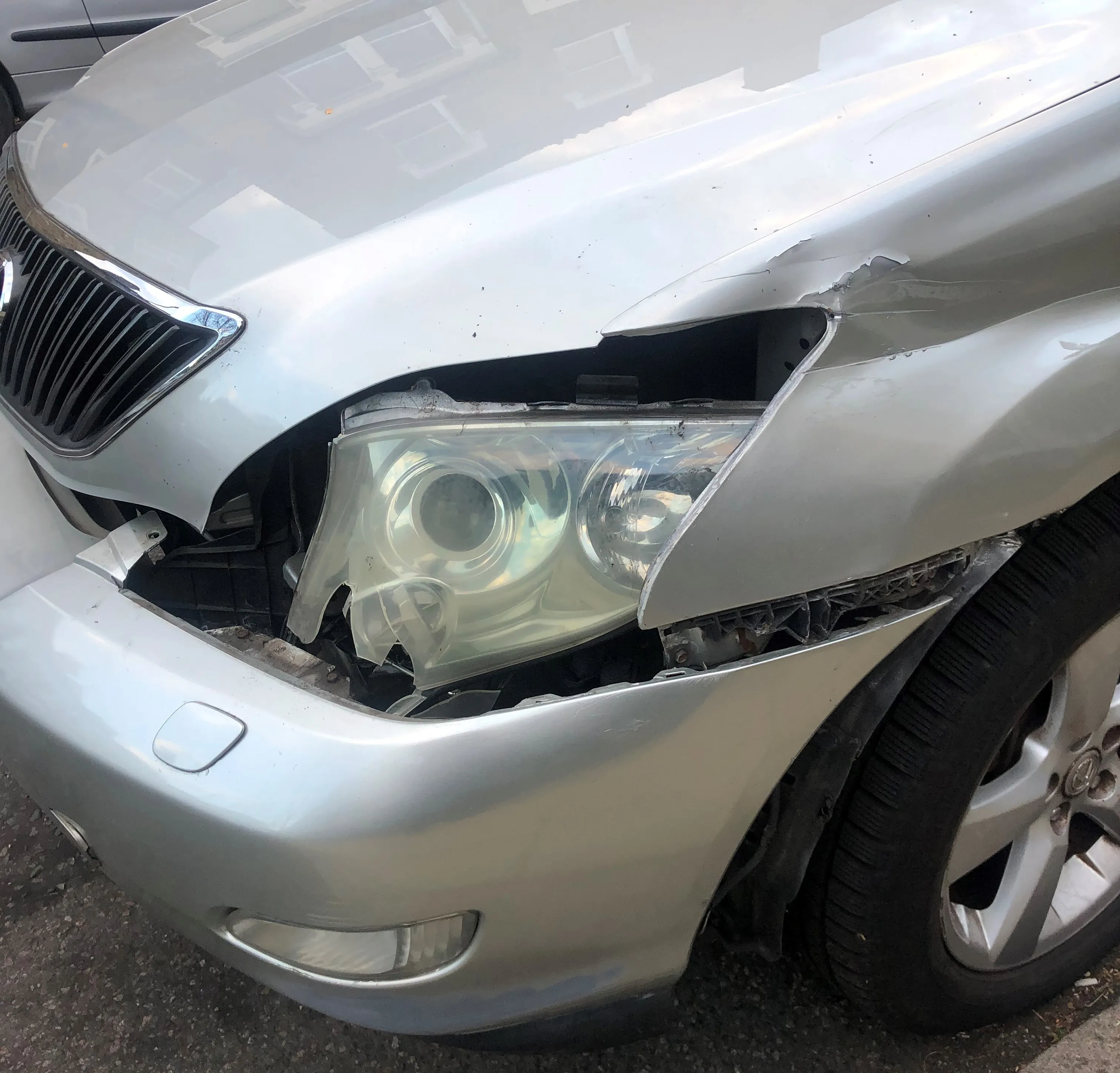
Police did not have to travel far when catching one drink driver who crashed his vehicle in the UK. The man had driven his Nissan into a police station, which resulted in serious damage to the building's entrance. Not content with crashing once, the man reversed his vehicle and rammed it into the doorway at least one more time before the little Nissan proved unequal to the task of bulldozing a police station. Luckily no-one was standing in the doorway when the man crashed, although the structure of the building was inspected following the incident to ensure that there was no risk of collapse.

Related Content

  • The use of concrete cutting tools and tips for users
    October 8, 2015
    Despite the proven importance of identifying metal targets and electrical lines before cutting into concrete, every day there are stories about mishaps that happen when the necessary reconnaissance is not done. In this article, a few firms that provide concrete scanning services weigh in on the critical importance of locating embedded and or buried obstructions by scanning for these features using ground penetrating radar (GPR). Also offered are tips for selecting the best GPR equipment and best practices f
  • Road row
    February 22, 2012
    In Germany a row between father and son resulted in the father stopping and leaving his teenage son by the roadside. The man had collected his teenage son from a summer camp but following the row, drove off leaving his son with just €5 to pay for the 300km journey home.
  • Crash injury risks vary between males and females
    March 1, 2021
    Crash injury risks vary between males and females in the US according to research.
  • European transport pricing deadline
    September 3, 2012
    Public consultation is nearing completion on the sensitive issue of internalising external costs to make transport users pay for the perceived negative effects they inflict on society, including air pollution, CO2 emissions, accidents and congestion. Within six months a universal model will be unveiled by the European Commission (EC).