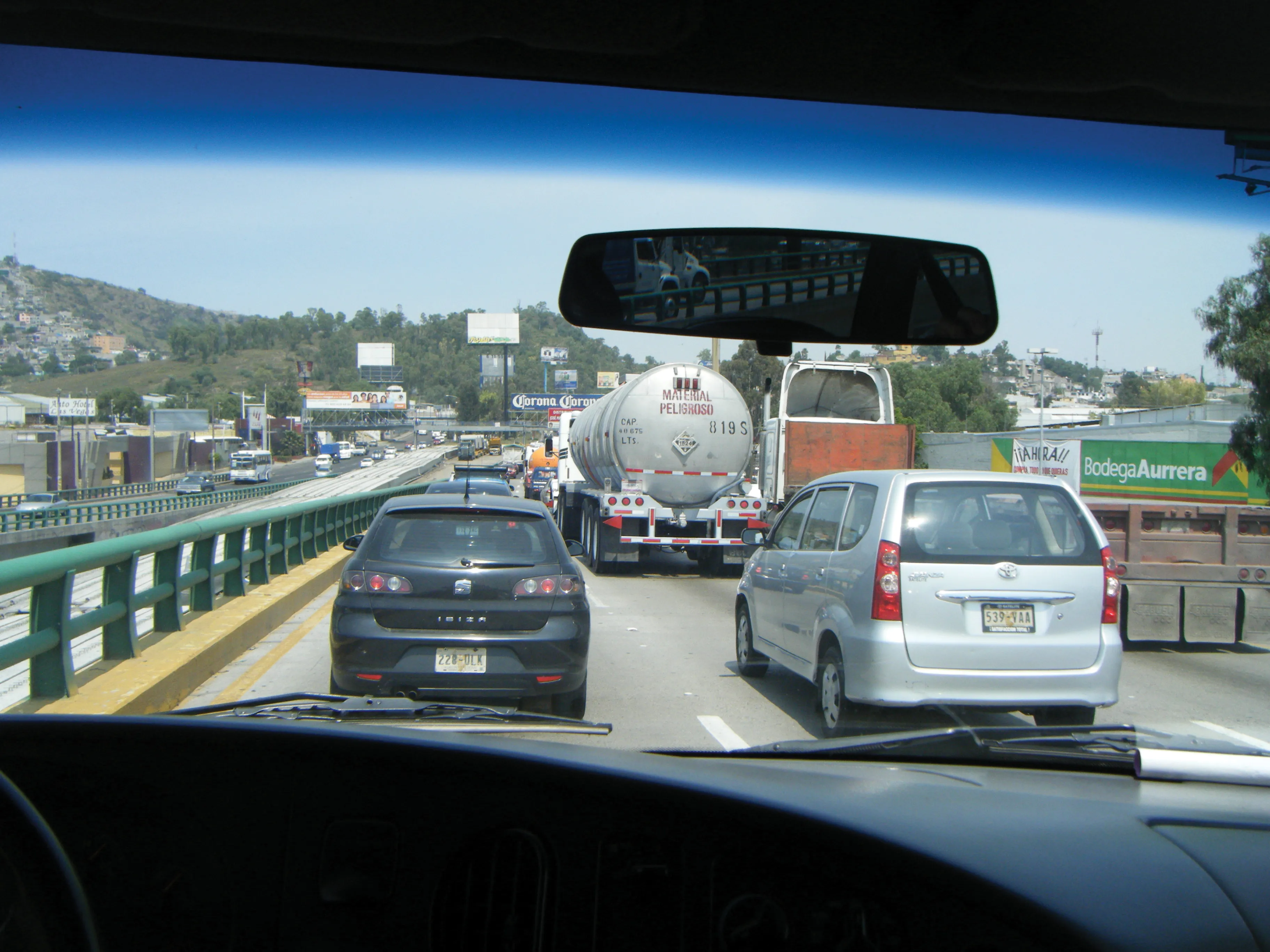
Network road pricing is inevitable to manage increasing congestion on city motorways and to facilitate more efficient transport networks, says Transurban chief executive Scott Charlton. In a speech to the Infrastructure Partnerships Australia’s annual conference in Melbourne, Charlton urged governments to use every lever possible from user charges to diverse funding sources to innovative solutions such as tolled express lanes.

Network road pricing is inevitable to manage increasing congestion on city motorways and to facilitate more efficient transport networks, says 891 Transurban chief executive Scott Charlton.
In a speech to the Infrastructure Partnerships Australia’s annual conference in Melbourne, Charlton urged governments to use every lever possible from user charges to diverse funding sources to innovative solutions such as tolled express lanes.
“There is no perfect system. We need to be pragmatic and get on with what we can do now in order to provide meaningful progress against transport congestion,” said Charlton, who joined Transurban in July 2012 but has been in the infrastructure sector for more than 20 years.
“That could mean anything from cheaper night tolls for trucks, to high-tech freeway management systems, to corridors shared with public transport options, to integrated transport network pricing.”
Charlton said that public transport had to be included in any network pricing scheme to ensure fairness and real choices for the travelling public.
Network road pricing would also simplify user charges, making them more consistent and transparent.
Charlton pointed out that most utilities had peak and off-peak pricing, which the public accepted, while road pricing remained a sensitive issue.
However, to make the most efficient use of our motorways and promote public transport, time-of-day pricing was worth considering, he added.
Another option would be innovative use of motorways such as in Transurban’s 495 Express Lanes project in the United States, where electronically tolled lanes have been built alongside the existing freeway lanes.
“It’s a great example of a pragmatic approach - and one that could work well in an Australian context,” said Charlton.
The Transurban chief executive said public attitude appeared to be shifting towards an acceptance that some tough decisions needed to be made to fund infrastructure, manage demand and promote public transport alternatives.
He added: “Governments are making great progress in getting priorities right and setting out visions for long-term transport plans. But now is the time to get moving. We know the cost of sitting on our hands – and it is way too high.”
In a speech to the Infrastructure Partnerships Australia’s annual conference in Melbourne, Charlton urged governments to use every lever possible from user charges to diverse funding sources to innovative solutions such as tolled express lanes.
“There is no perfect system. We need to be pragmatic and get on with what we can do now in order to provide meaningful progress against transport congestion,” said Charlton, who joined Transurban in July 2012 but has been in the infrastructure sector for more than 20 years.
“That could mean anything from cheaper night tolls for trucks, to high-tech freeway management systems, to corridors shared with public transport options, to integrated transport network pricing.”
Charlton said that public transport had to be included in any network pricing scheme to ensure fairness and real choices for the travelling public.
Network road pricing would also simplify user charges, making them more consistent and transparent.
Charlton pointed out that most utilities had peak and off-peak pricing, which the public accepted, while road pricing remained a sensitive issue.
However, to make the most efficient use of our motorways and promote public transport, time-of-day pricing was worth considering, he added.
Another option would be innovative use of motorways such as in Transurban’s 495 Express Lanes project in the United States, where electronically tolled lanes have been built alongside the existing freeway lanes.
“It’s a great example of a pragmatic approach - and one that could work well in an Australian context,” said Charlton.
The Transurban chief executive said public attitude appeared to be shifting towards an acceptance that some tough decisions needed to be made to fund infrastructure, manage demand and promote public transport alternatives.
He added: “Governments are making great progress in getting priorities right and setting out visions for long-term transport plans. But now is the time to get moving. We know the cost of sitting on our hands – and it is way too high.”