A new survey carried out in the UK reveals that male drivers are more likely to risk lives by overtaking blind and speeding on rural roads. As a result male drivers are being urged to be more careful. The survey was carried out jointly by safety body Brake and insurance firm Direct Line. The data reveals that 24% risk catastrophic head-on crashes by overtaking blind, while 44% admit speeding at over the national speed limit of 96km/h (60mph) on rural roads. Men are much more likely to take these deadly risk

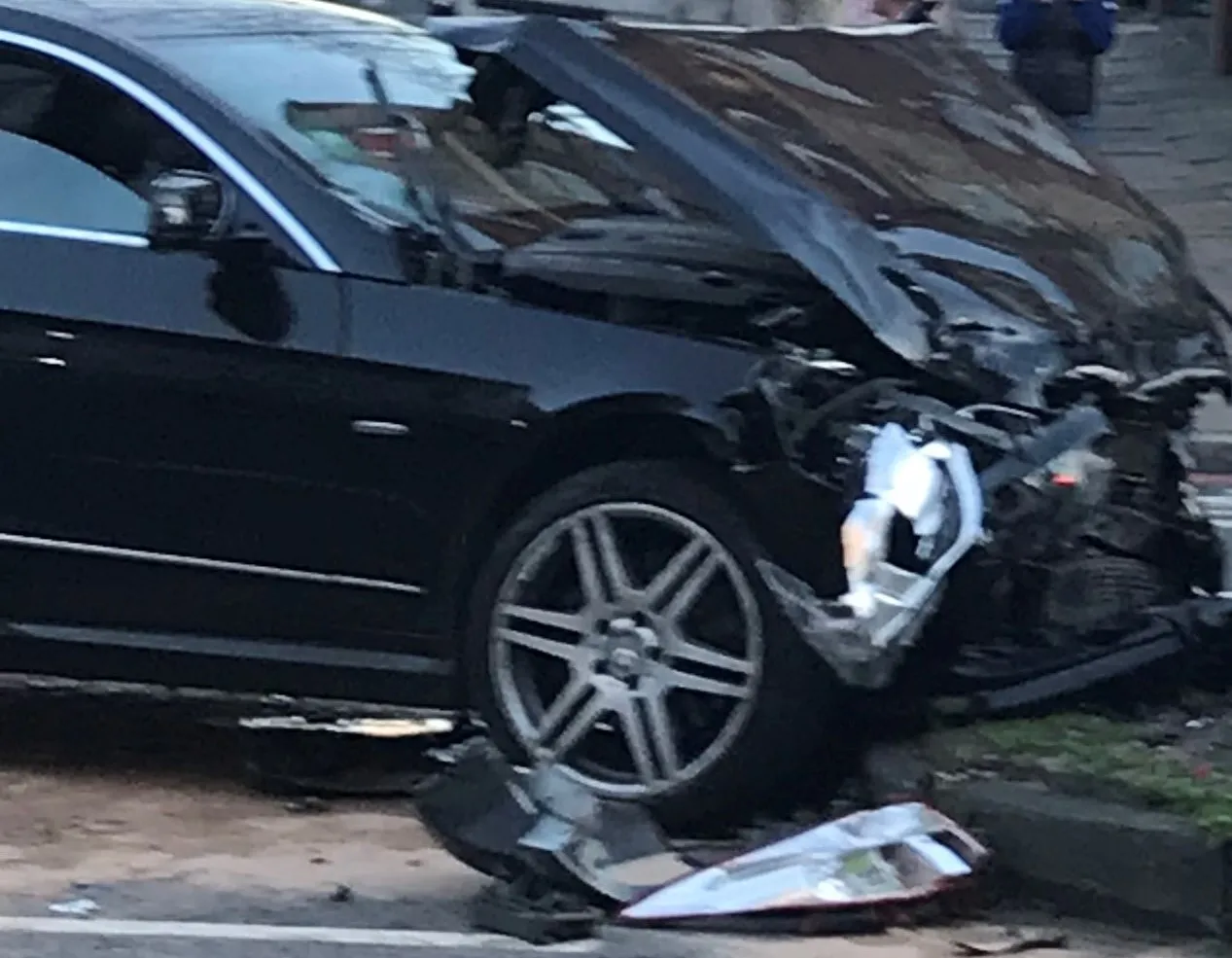
A new survey carried out in the UK reveals that male drivers are more likely to risk lives by overtaking blind and speeding on rural roads. As a result male drivers are being urged to be more careful. The survey was carried out jointly by safety body 3963 Brake and insurance firm 3962 Direct Line. The data reveals that 24% risk catastrophic head-on crashes by overtaking blind, while 44% admit speeding at over the national speed limit of 96km/h (60mph) on rural roads. Men are much more likely to take these deadly risks than women, and more than twice as likely to have been involved in an overtaking near-miss or incident. The Brake and Direct Line survey of 1,000 UK drivers also found 18% of women admitted overtaking when they could not be certain nothing was coming, in the past year. It showed 20% of men 9% of women have been involved in an overtaking near-miss or incident while driving in the past year. And 54% of all drivers have witnessed an overtaking near-miss or incident by another driver in the past year, with 19% experiencing a vehicle approaching on their side of the road. Some 52% of women have been afraid when travelling as a passenger when their driver has overtaken another vehicle in the past year, compared to 44% of men. Some 24% of women have broken the 96km/h national speed limit on a rural road, and men are twice as likely to do this monthly or more (20% compared to 9%). In 2011, six in 10 UK road deaths were on rural roads, equating to 1,197 people losing their lives. Four in 10 serious injuries were on rural roads, equating to 9,952 people suffering serious and often long-lasting or permanent harm. Three in four people killed on UK roads are male.
Brake is also pressing for government and local authority action to lower speed limits on rural roads and implement measures to deter speeding and overtaking, especially on crash black-spots and road that pass through rural communities. Brake is highlighting that simple, often low-cost engineering measures can significantly reduce casualties. It is also calling for the government to get tough on rural road risk by funding wider traffic enforcement and running publicity campaigns to raise awareness of the dangers involved in driving too fast and overtaking.
Many drivers mistakenly think rural roads are safer, because they are often quieter. In reality, they are shared by all types of road users and there are many hazards, such as tight bends, blind corners and brows, and narrow roads. This means drivers may have little time to react to hazards, and this is reduced considerably by driving faster. At 96km/h, a driver's stopping distance is 73m. The high speeds with which many people navigate these roads also mean that crashes are more likely to cause serious injuries or death than on slower roads. In fact, rural roads are the most dangerous for all kinds of road user. Overtaking on single carriageways is dangerous, given that it involves driving on the wrong side of the road at speed. It is impossible for drivers to accurately judge the speed and distance of approaching traffic, and whether they have sufficient clear road to complete the manoeuvre. They also cannot be certain the vehicle they are overtaking will not speed up. Where overtaking is concerned, a small error of judgement can easily be fatal. There is clear evidence that in general male drivers take more risks, are hurt or killed more, and cause more deaths on roads than women. Some researchers argue it is down to biology, others say this is about societal expectations placed on boys from a young age, rewarding riskier behaviour. But whatever the reasons, it is certain that risk-taking on roads leads to terrible consequences for many men and women every day.
Brake is also pressing for government and local authority action to lower speed limits on rural roads and implement measures to deter speeding and overtaking, especially on crash black-spots and road that pass through rural communities. Brake is highlighting that simple, often low-cost engineering measures can significantly reduce casualties. It is also calling for the government to get tough on rural road risk by funding wider traffic enforcement and running publicity campaigns to raise awareness of the dangers involved in driving too fast and overtaking.
Many drivers mistakenly think rural roads are safer, because they are often quieter. In reality, they are shared by all types of road users and there are many hazards, such as tight bends, blind corners and brows, and narrow roads. This means drivers may have little time to react to hazards, and this is reduced considerably by driving faster. At 96km/h, a driver's stopping distance is 73m. The high speeds with which many people navigate these roads also mean that crashes are more likely to cause serious injuries or death than on slower roads. In fact, rural roads are the most dangerous for all kinds of road user. Overtaking on single carriageways is dangerous, given that it involves driving on the wrong side of the road at speed. It is impossible for drivers to accurately judge the speed and distance of approaching traffic, and whether they have sufficient clear road to complete the manoeuvre. They also cannot be certain the vehicle they are overtaking will not speed up. Where overtaking is concerned, a small error of judgement can easily be fatal. There is clear evidence that in general male drivers take more risks, are hurt or killed more, and cause more deaths on roads than women. Some researchers argue it is down to biology, others say this is about societal expectations placed on boys from a young age, rewarding riskier behaviour. But whatever the reasons, it is certain that risk-taking on roads leads to terrible consequences for many men and women every day.