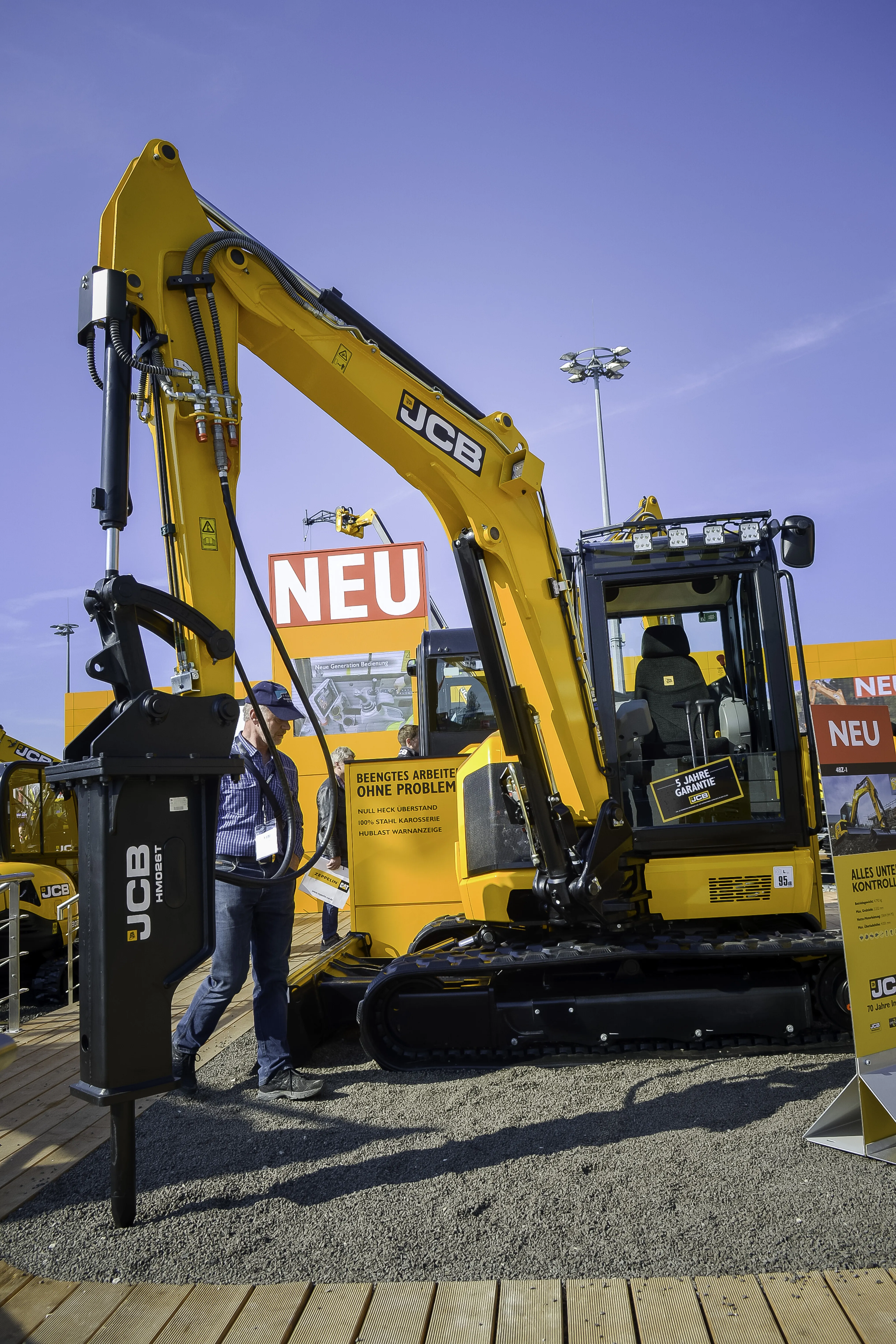
New JCB mini excavators designed to reduce cost of ownership

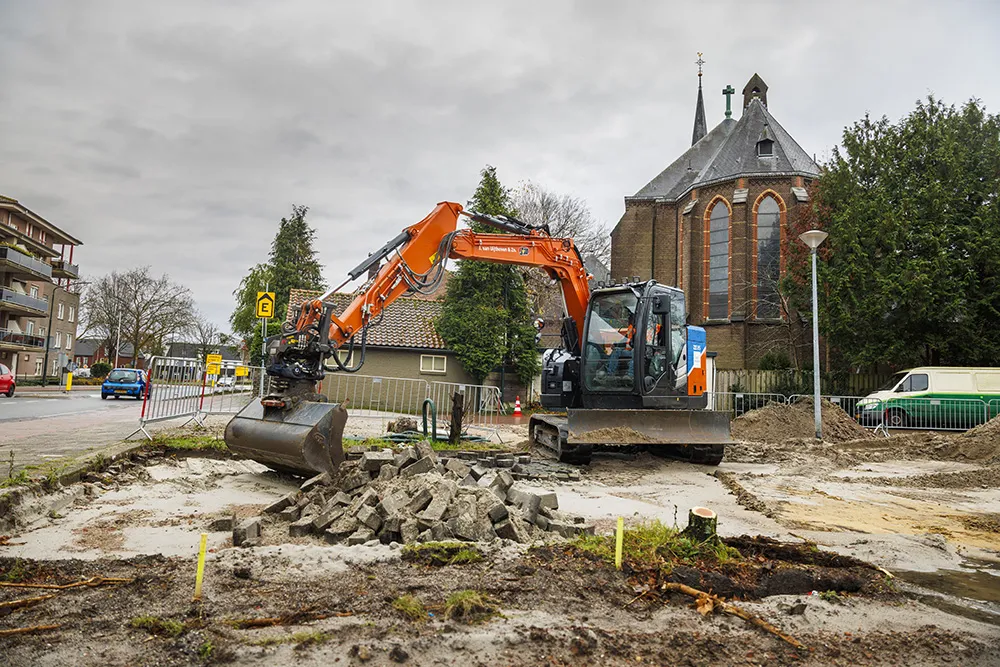
A new line of JCB mini excavators has been designed to provide the expected productivity while lowering operating costs. “Really it’s all about the cost of ownership, and keeping that as low as we possibly can,” said Mick Sanders, product manager with JCB. The new mini excavators are the 48Z-I, 51R-I, 55Z-I and 57C-I. Weights range from 4792 kg to 5483 kg. In addition to low cost, the machines are designed to provide greater height and lift. Bucket and dipper tear-out have been improved as well.
April 12, 2016 Read time: 2 mins
Routine maintenance is required less often with the new JCB line of mini excavators

A new line of 255 JCB mini excavators has been designed to provide the expected productivity while lowering operating costs.

“Really it’s all about the cost of ownership, and keeping that as low as we possibly can,” said Mick Sanders, product manager with JCB.

The new mini excavators are the 48Z-I, 51R-I, 55Z-I and 57C-I. Weights range from 4792 kg to 5483 kg. In addition to low cost, the machines are designed to provide greater height and lift. Bucket and dipper tear-out have been improved as well.

Many new features have a direct impact on costs. For example, greasing that previously occurred daily now only has to be completed every 500 hours. Also, removing debris from the undercarriage is required much less frequently because of a redesigned system, while tracks have been adjusted to prevent aggregate from sticking to the treads. “The spoil falls away,” Sanders said.

The cab has been upgraded as well. A new instrument panel is intuitive and easy for operators to use – particularly important for those who rent the machines.

The excavator line now includes flat glass on cabs, a considerable cost-savings when replacement is required.

Safety has been improved too. Each control is isolated, and none are engaged when the operator fires up the excavator. “Nothing is active when the engine starts,” Sanders explained.

A fuel-efficient idling system adds more cost savings. Automatic idle improves efficiency, as does a new one-touch idle system. With that process, the operator makes a quick touch and the machine idles, which makes it perfect for short interruptions.

The excavators also have seen boom and tilt adjustments that enable them to dump loads precisely without having to reposition the machine, Sanders said. Finally, a body that is 100% steel reduces costs through its durability.

For more information on companies in this article

Related Content

  • Increasing productivity and protecting crews in dangerous environments: J W Speaker puts the spotlight on safety
    May 1, 2021
    Good lighting can help improve safety levels in challenging working conditions, while also allowing increases in productivity. New technology provides a durable solution able to cope with tough working environments, while also drawing little power
  • Cat’s 988K delivers increased loading capability
    January 6, 2017
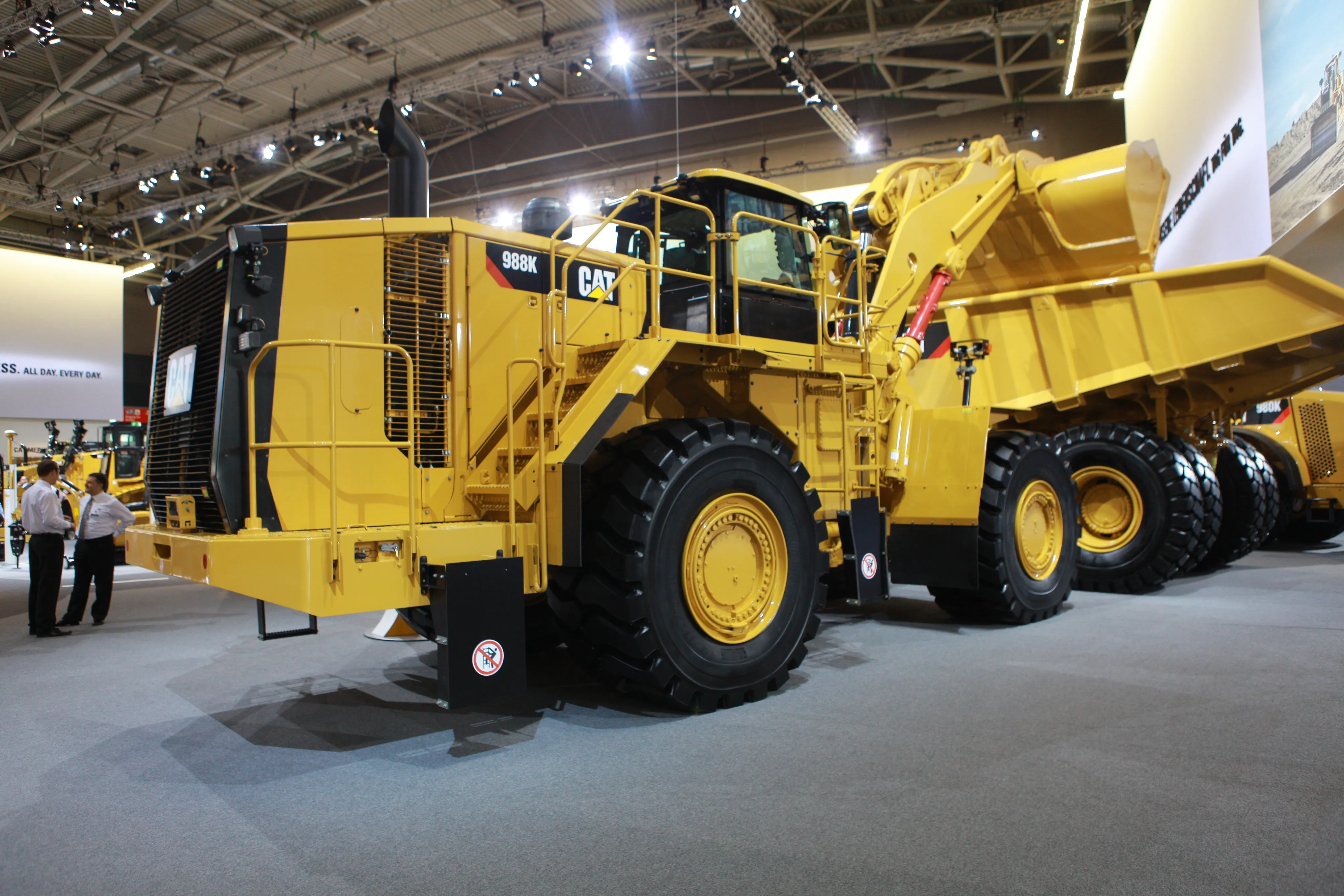
    Caterpillar’s seventh generation 988 wheeled loader – the 988K – is powered by a Tier 4 Final/Stage IV Cat C18 ACERT diesel engine, featuring selective catalytic reduction and delivering 362kW. The engine is said to deliver a 20% fuel efficiency benefit compared to the 988H, thanks in part to an ECO mode with on-demand throttle, auto idle and engine idle kickdown/auto resume system. The 50tonne machine moves away from its predecessor’s monoboom loader arm design in favour of a Z-bar linkage.
  • Cat’s 988K delivers increased loading capability
    April 17, 2013
    Caterpillar’s seventh generation 988 wheeled loader – the 988K – is powered by a Tier 4 Final/Stage IV Cat C18 ACERT diesel engine, featuring selective catalytic reduction and delivering 362kW. The engine is said to deliver a 20% fuel efficiency benefit compared to the 988H, thanks in part to an ECO mode with on-demand throttle, auto idle and engine idle kickdown/auto resume system. The 50tonne machine moves away from its predecessor’s monoboom loader arm design in favour of a Z-bar linkage.
  • Asphalt plant technology and effects on production costs
    November 14, 2017
    Asphalt plants are industrial units capable of producing asphalt on a full-scale basis An asphalt plant has several key functions and is designed to accurately dose the aggregates and asphalt to ensure the correct proportions, as established in the mix. The plant should dry and heat the aggregates completely, regardless of their nature and characteristics, in order to obtain perfect adhesiveness with the asphalt binder. The drying system’s combustion gases have to be filtered so that fine aggregates tran