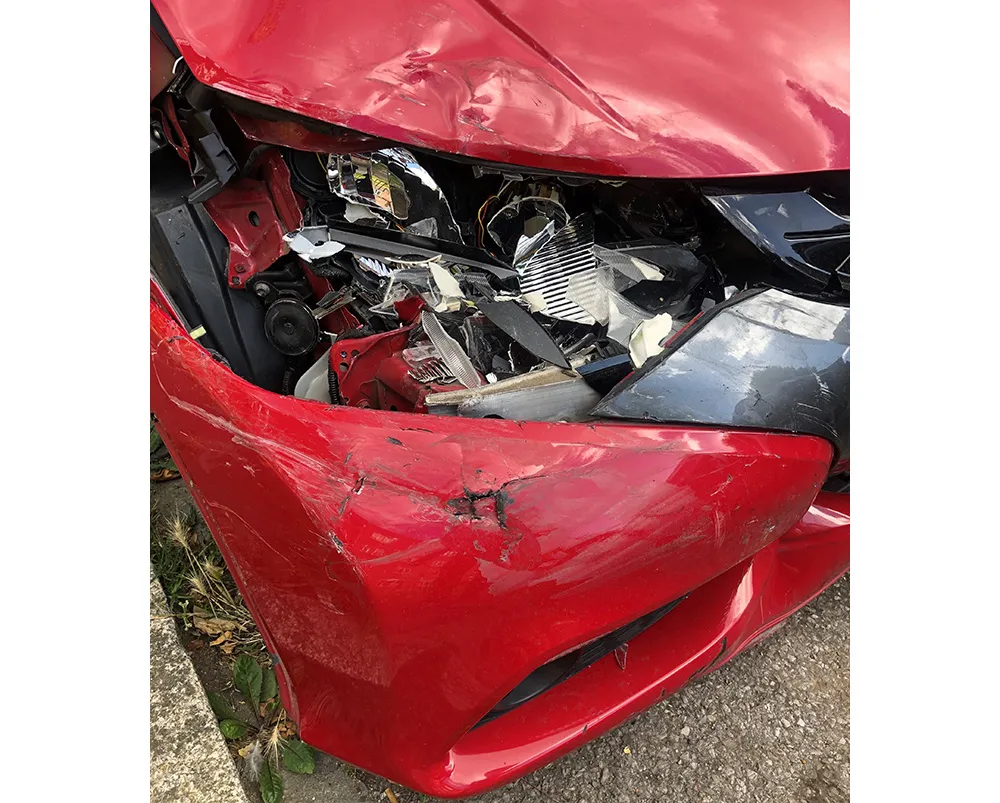
Anomalies regarding the return of driving licenses to people found guilty of serious driving offences have been uncovered in the UK. In a number of instances, these drivers have then gone on to commit more driving offences and in at least two cases, causing fatalities.

Anomalies regarding the return of driving licenses to people found guilty of serious driving offences have been uncovered in the UK. In a number of instances, these drivers have then gone on to commit more driving offences and in at least two cases, causing fatalities.
The5244 Driver Vehicle Licensing Agency (DVLA) has been reviewing its processes. In these two tragic cases, the drivers had lost their licences after being found guilty of drink driving. But once the period of each ban was complete, the drivers were allowed to have the licence back. Medical tests that could have determined whether the drivers were still drinking to excess were not carried out and they subsequently continued their previous behaviour, which led to their causing fatalities while driving under the influence of alcohol.
An electronic driving licence checking service would have ensured that the drivers would not have had their licences returned until the medical checks had been carried out. There is major concern that the incidents caused by two drivers being mistakenly given back their driving licences may not be isolated events. The records of nearly 30,000 drivers need to be checked to ensure that the drivers are entitled and safe, to drive.
Richard Brown, managing director of Driving Licence checking service Licencecheck said, “The sad thing is that we can easily ensure that drivers’ licences are checked and the bad eggs stopped from driving. Our service enables us to check the most up-to-date information with the DVLA so that all penalties and disqualifications are brought to people’s attention. This ensures that decision makers, such as employers, have the correct information at hand in order to prevent HRO’s (High Risk Offenders) being allowed to drive.”
UK companies have been slow to adopt such electronic licence checking systems, which means that currently virtually no UK company has in its possession, or access to, the latest driver record held by a licence authority. In a number of other European countries however licence screening is carried out regularly.
Brown said, “Employers are not aware, although it is their legal responsibility, of the member of staffs licence details, endorsements, penalty points, convictions, category entitlements or medical requirements, and likewise employees are driving on company business when they are not legally entitled to.”
Using such services would increase road safety as research has shown that suitably qualified drivers are safer drivers. It is of concern that HRO category drivers should be stopped from driving. If employers and statutory bodies take advantages of driving licence checking advances then the numbers of HRO drivers can be dramatically reduced and road user safety dramatically improved.
The
An electronic driving licence checking service would have ensured that the drivers would not have had their licences returned until the medical checks had been carried out. There is major concern that the incidents caused by two drivers being mistakenly given back their driving licences may not be isolated events. The records of nearly 30,000 drivers need to be checked to ensure that the drivers are entitled and safe, to drive.
Richard Brown, managing director of Driving Licence checking service Licencecheck said, “The sad thing is that we can easily ensure that drivers’ licences are checked and the bad eggs stopped from driving. Our service enables us to check the most up-to-date information with the DVLA so that all penalties and disqualifications are brought to people’s attention. This ensures that decision makers, such as employers, have the correct information at hand in order to prevent HRO’s (High Risk Offenders) being allowed to drive.”
UK companies have been slow to adopt such electronic licence checking systems, which means that currently virtually no UK company has in its possession, or access to, the latest driver record held by a licence authority. In a number of other European countries however licence screening is carried out regularly.
Brown said, “Employers are not aware, although it is their legal responsibility, of the member of staffs licence details, endorsements, penalty points, convictions, category entitlements or medical requirements, and likewise employees are driving on company business when they are not legally entitled to.”
Using such services would increase road safety as research has shown that suitably qualified drivers are safer drivers. It is of concern that HRO category drivers should be stopped from driving. If employers and statutory bodies take advantages of driving licence checking advances then the numbers of HRO drivers can be dramatically reduced and road user safety dramatically improved.