Let’s talk about savings not costs, says European Road Maintenance Forum

New message emerges from event to mark International Road Maintenance Day
By Kristina Smith April 4, 2025 Read time: 3 mins
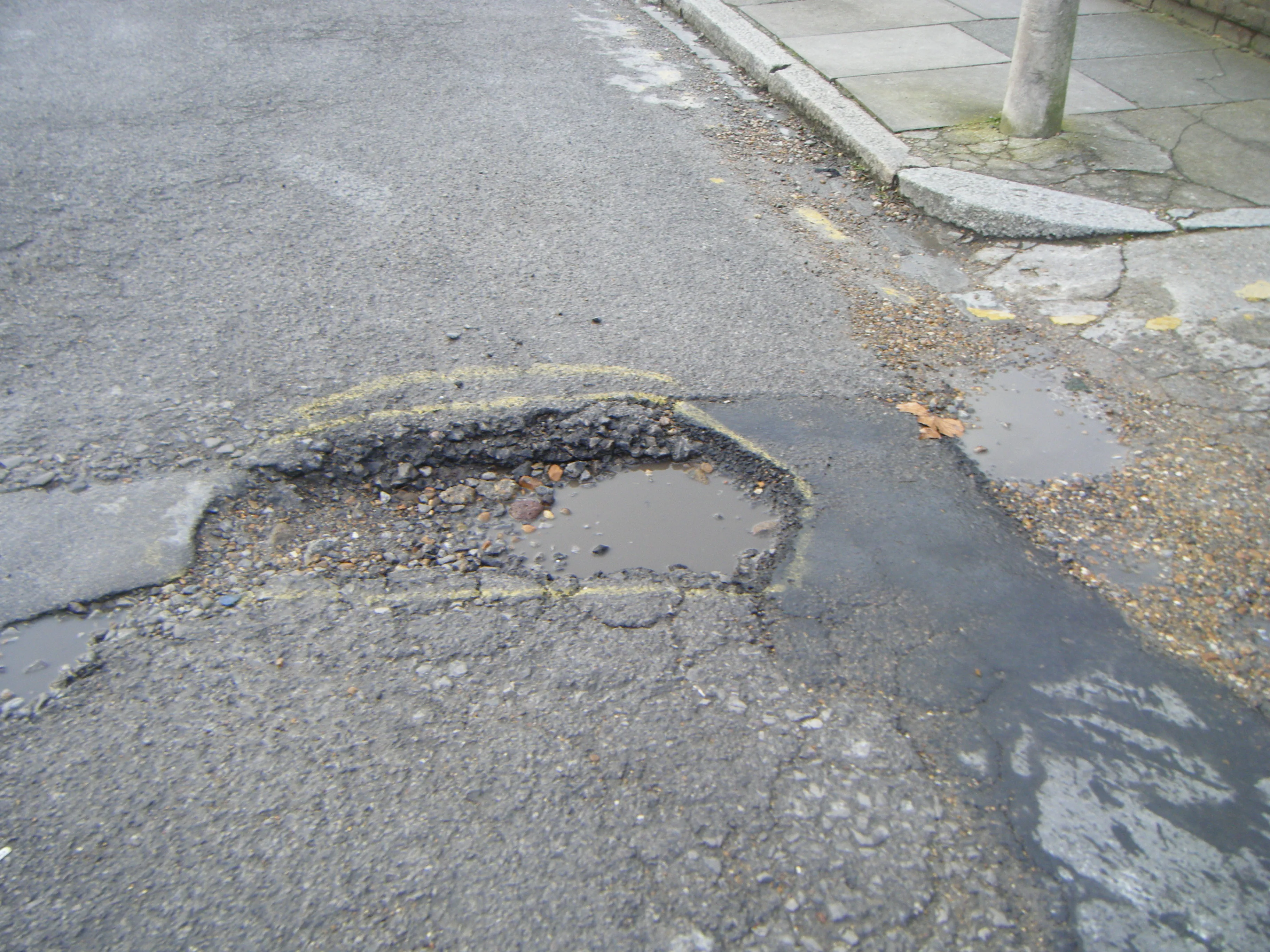
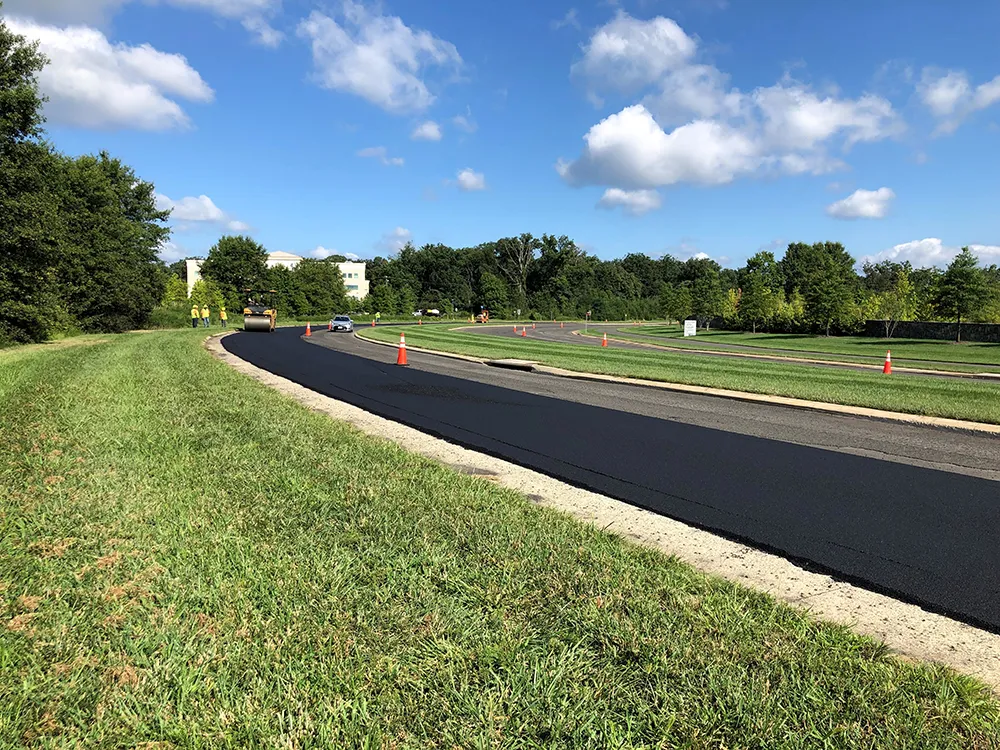
Better road maintenance can reduce the risks of poor road surfaces


Road owners, contractors and suppliers need to talk differently about highways maintenance and renewal projects if they are to get the public on side. Instead of focussing on project costs, they should communicate the benefits – such as fuel cost savings due to improved road surface quality.

This was one of the messages to emerge from an online event on 3 April 2025, organised by the European Road Maintenance Forum (ERMF) and chaired by European Asphalt Pavement Association (EAPA) secretary general Carsten Karcher, to mark International Road Maintenance Day. Over 400 attendees registered from over 40 countries to hear presentations from industry experts that included the case for proactive maintenance, using data from autonomous vehicles, challenges facing commercial fleet operators, and the fuel saving benefits of pavement rehabilitation.

Camino Arce Blanco, technical and business development director at Sociedad Estatal de Infraestructuras del Transporte Terrestre (SEITT) demonstrated the last point with a case study on the M50 motorway which runs around Madrid. Research carried out with the University of Valencia showed that a resurfacing project on 35km of the motorway led to a 10% cut in fuel consumption for the 115,000 vehicles that use it every day – with associated carbon savings.

Juan Jose Potti, president of Spanish the president of Spanish asphalt producers’ association ASEFMA, urged those involved in road maintenance around the world to change the narrative around projects. “We need to say that we can reduce emissions and the consumption of fuel as well as improving comfort and safety,” he said.

Malcolm Simms director of MPA Asphalt at the Mineral Products Association shared details of the Asphalt Industry Alliance’s (AIA’s) Annual Local Authority Road Maintenance (ALARM) study in the UK. Now in its 30th year, the report’s aims remain the same as when it started: to encourage more investment in the local road network with the AIA estimating the current maintenance catch-up cost to be £16.18bn.

Steve Philips, secretary general of the Conference of European Directors of Roads (CEDR), said his members had committed to working in partnership with suppliers, and to better deploy data, to tackle the challenges of ageing infrastructure and climate change. While Christophe Nicodème, director of the European Road Federation (ERF) outlined the cost-saving benefits of preventative maintenance – and the huge costs to economies when roads infrastructure fails.

José Carlos Valdecantos, director at road data specialist Xouba, provided examples of how highways authorities are using data from connected cars to measure road surface conditions such as roughness and friction. Thomas Fabian, chief commercial vehicles officer at the European Automobile Manufacturer’s Association, ACEA, spoke about the need for new charging and refuelling infrastructure and policy changes on vehicle weights if fleet operators are to be fossil fuel free by 2040.

In closing, Karcher called for proactive maintenance strategies with dedicated funding, cross-sector agreements that will make big data available for highways authorities and managers and industry communication campaigns that better demonstrate the value of road maintenance to road users.
 

Related Content

  • Sripath’s ReLIXER® Rejuvenates High-RAP Mix on Roadways in Virginia, USA
    October 17, 2022
    A binder dosed with ReLIXER®, an Asphalt Recycling Agent manufactured by Sripath Technologies®, was added to a high-RAP mix which was used to pave 5 lane-mile stretch of roadway in Ashburn, Virginia, USA.
  • The Path to Climate-Neutral Road Construction
    October 1, 2023
    Machine manufacturers and construction companies around the globe are currently searching for ways to achieve the goal of climate-neutral construction. The challenge here is to successively reduce emissions of CO2 and other harmful gases (summarized to CO2 equivalents: CO2e) around the world to zero over the coming decades. In the road construction sector, this transformation is inextricably linked to the improvement and further development of production and working processes. In the future, machines and construction materials will also be assessed based on the climate-harmful emissions arising from their production and use. However, the focus should not be on individual machines, but on the entire process leading up to the finished product – a road. Ultimately, the decisive factor is the emissions generated per kilometer of newly built or rehabilitated road – the “CO2e per work done”.
  • ERF and RSMA team up to deliver 1st European Road Infrastructure Congress
    January 18, 2016
    Europe’s road infrastructure is one of its largest community assets, yet today this asset faces unprecedented challenges. Shortage of public resources for maintenance, inadequate public procurement models for the delivery of infrastructure, coupled with the inevitable impact that the advent of vehicle automation will have on Europe’s infrastructure means that there is a urgent need for Europe’s road sector to work together to find solutions for the future. In this backdrop, and at a time when the UK governm
  • Stronger crash barriers may be needed for heavier trucks
    November 26, 2012
    The European Road Federation (ERF) has voiced its concern that roadside barriers in Europe may have to be upgraded. Meanwhile the UK’s Institute of Advanced Motorists (IAM) has called for roadside barriers to feature post protection so as to reduce the risk of injuries to motorcyclists. According to the ERF, the recent decision of the European Commission to allow cross-border movement of longer and heavier trucks, it is keen to raise awareness of the important implications such a move may have for road barr