IDB, iRAP extend Latin America work

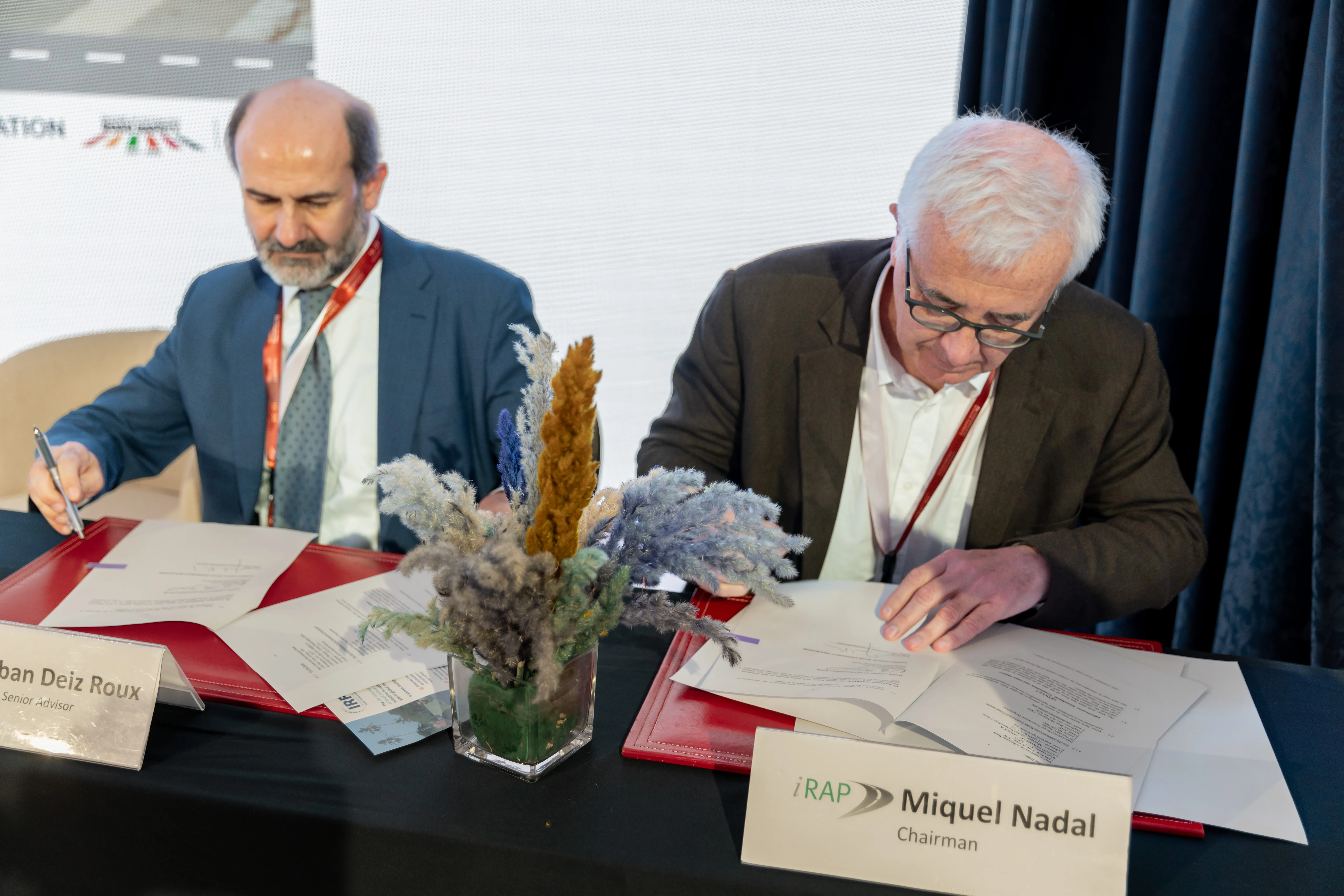
The five-year deal was signed during the recent Ten Steps to 2030 for Safer Road Infrastructure Side Event of the recent 4th Global Ministerial Conference on Road Safety underway in Marrakech, Morrocco.
By David Arminas February 25, 2025 Read time: 2 mins
Esteban Diez Roux (left), operation senior advisor at the Inter-American Development Bank, and Miquel Nadal, director general of Cercle d’Economia and chair of iRAP (image courtesy iRAP)

Eliminating high-risk roads is the focus of a new five-year extension to an agreement between Inter-American Development Bank (IDB) and International Road Assessment Programme (iRAP).

The agreement was signed by Greg Smith, iRAP’s acting chief executive, and Esteban Diez Roux, operation senior advisor at the IDB.

The five-year deal brings the organisations’ joint partnership for safer roads in Latin America and the Caribbean to 10 years. The agreement was inked during the Ten Steps to 2030 for Safer Road Infrastructure Side Event of the recent 4th Global Ministerial Conference on Road Safety underway in Marrakech, Morrocco.

The new five-year extension agreement will facilitate more collaboration between the IDB and iRAP to promote programmes and projects to significantly improve the safety of roads in Latin America and the Caribbean. As a registered charity in London, UK, iRAP works with organisations such as United Nations, World Health Organisation, governments, development banks, mobility clubs, industry and non-government road safety organisations was well as research organisations. It provides evidence-based tools, training and support to help make roads safe.

Experts from both IDB and iRAP will conduct road safety assessments, build local capacity and prioritise investments in safer infrastructure. It will also foster the sharing of information and best practices and promote the use of innovative tools and technologies to improve road safety outcomes.

According to iRAP’s Safety Insights Explorer, it is estimated that nearly 94,000 people were killed and more than five million were injured in road crashes in Latin America in 2021 - at a cost of US$223.4 billion.

(For more on the agreement and the work being done by iRAP and IDB, click here to read the feature on Global Highways)
Related Content

  • IRF World Congress: moving ahead
    October 18, 2024
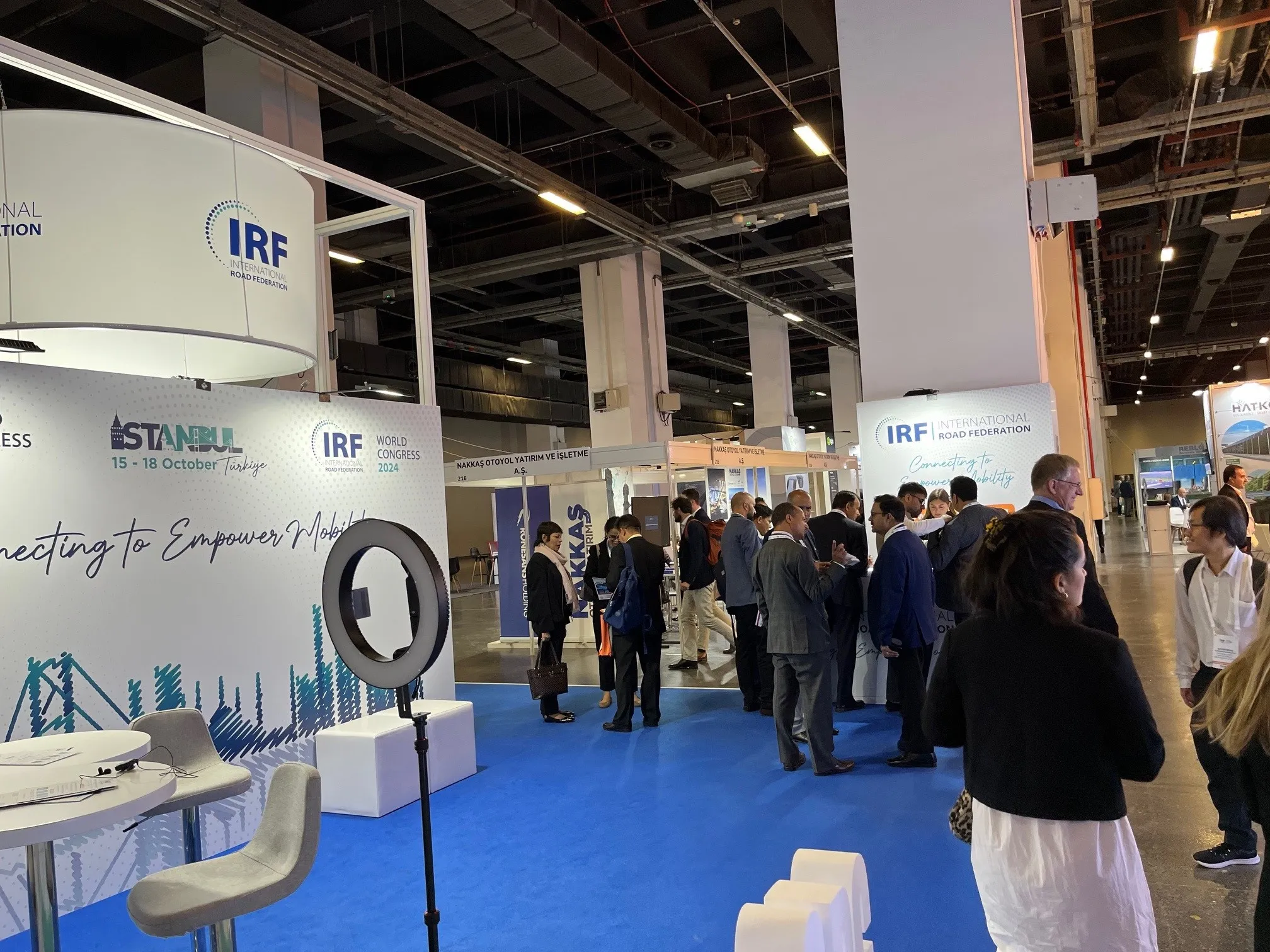
    On the last day of the three-day IRF World Congress in Istanbul, attendees heard what can work best, what can be improved and what the future might hold for those pursuing sustainable goals. David Arminas reports.
  • The IRF is committed to Africa’s Transport Agenda
    March 13, 2014
    Regional Congress to take place June 4-6 in Abuja, Nigeria The 17th IRF World Meeting & Exhibition created opportunities for stakeholder discussions around global as well as regional agendas. More than 50 participants representing heads of government agencies, development partners, academia, and contractors took part in an interactive roundtable discussion on the supply and provision of transport infrastructure on the African continent. Topics ranging from safety to the qualifications needed for th
  • Rural roads important to global development
    April 12, 2012
    Maryvonne Plessis-Fraissard highlights that the key importance of rural roads in the context of global development is only now being fully recognised, is not receiving enough attention and is facing vital new challenges Rural roads have only relatively recently received attention in development research. The International Bank for Reconstruction and Development, or World Bank, moved away from the World War II reconstruction mandate during the early 1960s to start, and address, the "Third World" developme
  • ERTICO-ITS Europe and International Road Federation Sign Memorandum of Understanding
    May 12, 2022
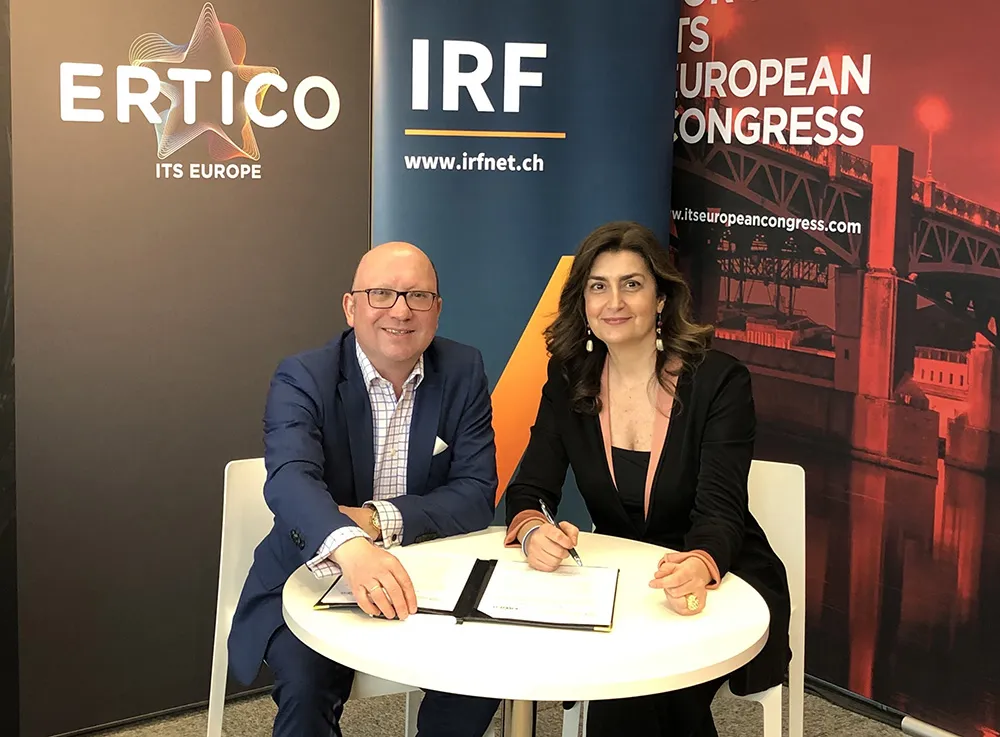
    Intertraffic Amsterdam offered the perfect stage to mark ERTICO - ITS Europe and the International Road Federation (IRF)’s commitment to safer, more efficient and more sustainable transport and mobility. The two organisations signed a Memorandum of Understanding (MoU) on 29th March in Amsterdam to further strengthen their collaboration and joint action. The partnership will ensure further exchange of knowledge and expertise and drive forward active discussion on key issues in the transport and mobility sector. The two organisations plan to organise joint activities to facilitate collaboration in their respective areas of competence in Intelligent Transport Systems and Services (ITS) and innovation.