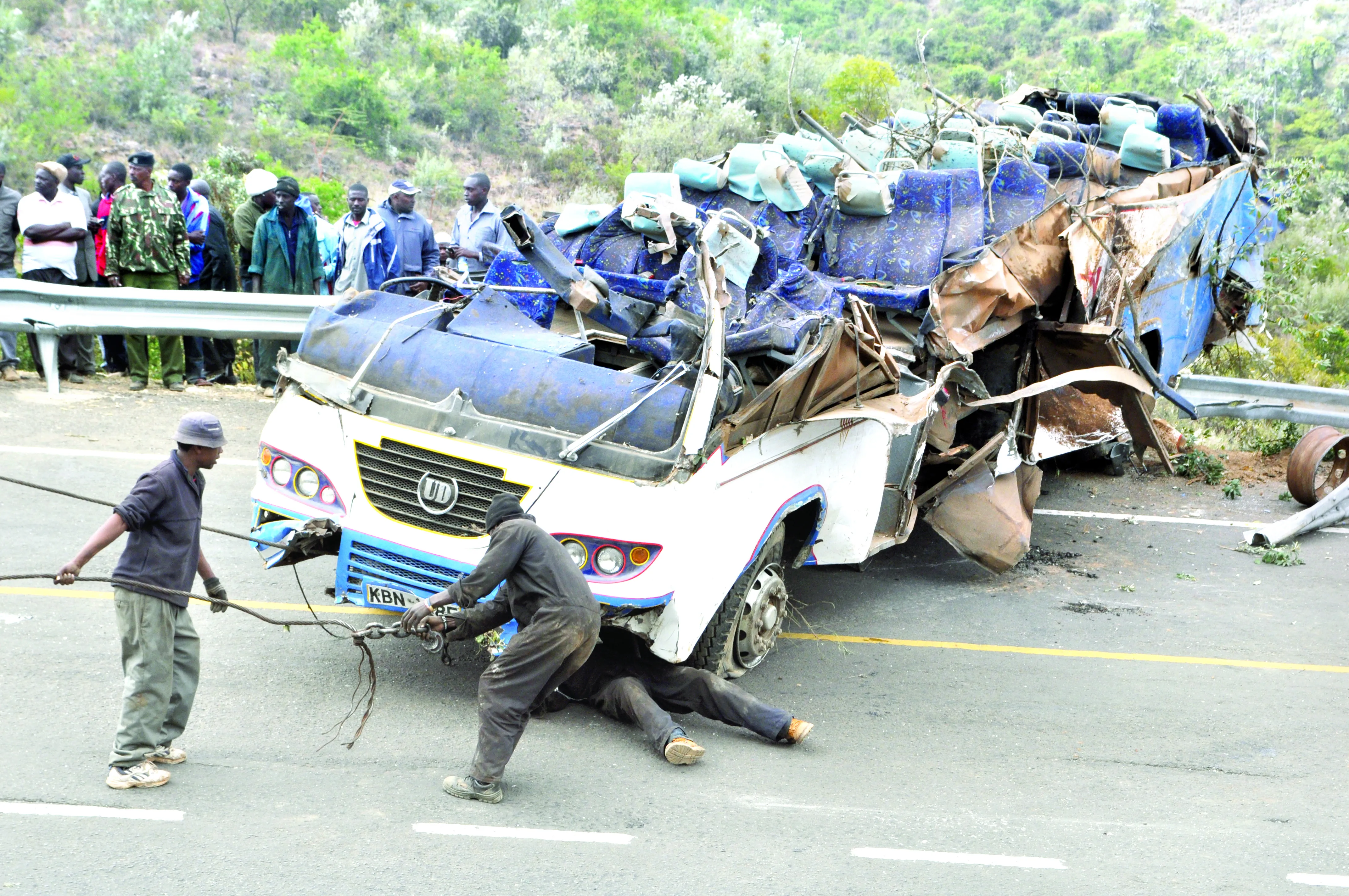
Road Safety Foundation (RSF) director, Dr Joanne Marden, has urged the government to get road safety policies “back on track” after new official figures revealed the first annual UK road casualty increase for eight years.
The figures, contained in a government report titled Reported Road Casualties in Great Britain: 2011, show that the annual number of people killed in road accidents increased by 3% from 1,850 in 2010 to 1,901 in 2011 – the first increase since 2003 despite a levelling off of vehicle traff

The figures, contained in a government report titled Reported Road Casualties in Great Britain: 2011, show that the annual number of people killed in road accidents increased by 3% from 1,850 in 2010 to 1,901 in 2011 – the first increase since 2003 despite a levelling off of vehicle traffic levels. The number killed or seriously injured rose by 2% in 2011 to 25,023 from 24,510 in 2010, the first annual increase since 1994.
Responding to the new road casualty figures, Dr Marden said: “Now, as things stabilise, we must get safety policies back on track. For drivers, that means tackling hard core drinkers, excessive speeding and those not wearing seat belts. For vehicles, it means continuing the introduction of safety features in 4 and 5-star cars and accelerating the adoption of technologies such as electronic stability control and emergency brake assistance that help drivers avoid crashes.
“On the roads, it means persuading authorities to recognise the long term benefits of investing to bring single carriageway 'A' roads up to at least 3-star safety standards by 2020, following the lead of Sweden and the Netherlands.”
In a media statement, the RSF said that over the last decade the reduction in road deaths had largely come from improved 'passive' safety in new vehicles, such as airbags and crumple zones. They believe the combination of the financial crisis, and the hike in fuel prices and insurance costs, have driven particularly lower income drivers in older vehicles off the road.
“Failure to act not only means more pain and suffering but higher costs,” added Marden. “The cost of road crashes in Britain has been estimated at between 1.2 and 2.3% of GDP annually. “
Marden said the RSF’s annual programme of mapping and tracking road safety risk on Britain’s motorways and A roads showed that “simple and relatively low cost measures such as signing, lining and marking can pay back the costs of investment in weeks”.
She added: “The international community is moving on preparing policies Towards Zero road deaths. This sharp warning reminds Britain that it cannot sit on its laurels for policies it led 20 years ago.”
The RSF is a UK charity advocating road casualty reduction through simultaneous action on all three components of the safe road system: roads, vehicles and behaviour.