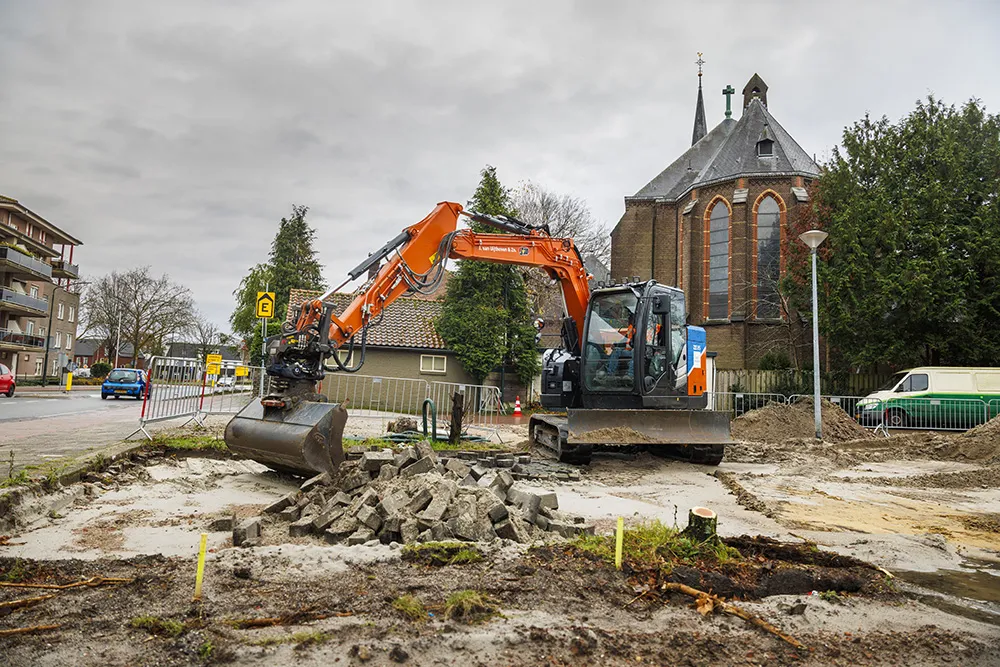
The UK now has new guidance designed to ensure that when utilities companies dig up the road surface, they leave proper repairs once the work is complete. It is estimated that poorly replaced road surfaces mean there are around 90,000 remedial works each year, adding inconvenience to motorists and cyclists. Many of the road repairs are not properly carried out, increasing the risk of potholes forming and further defects. This significantly increases the risk of accidents and of damage to vehicles. The new l

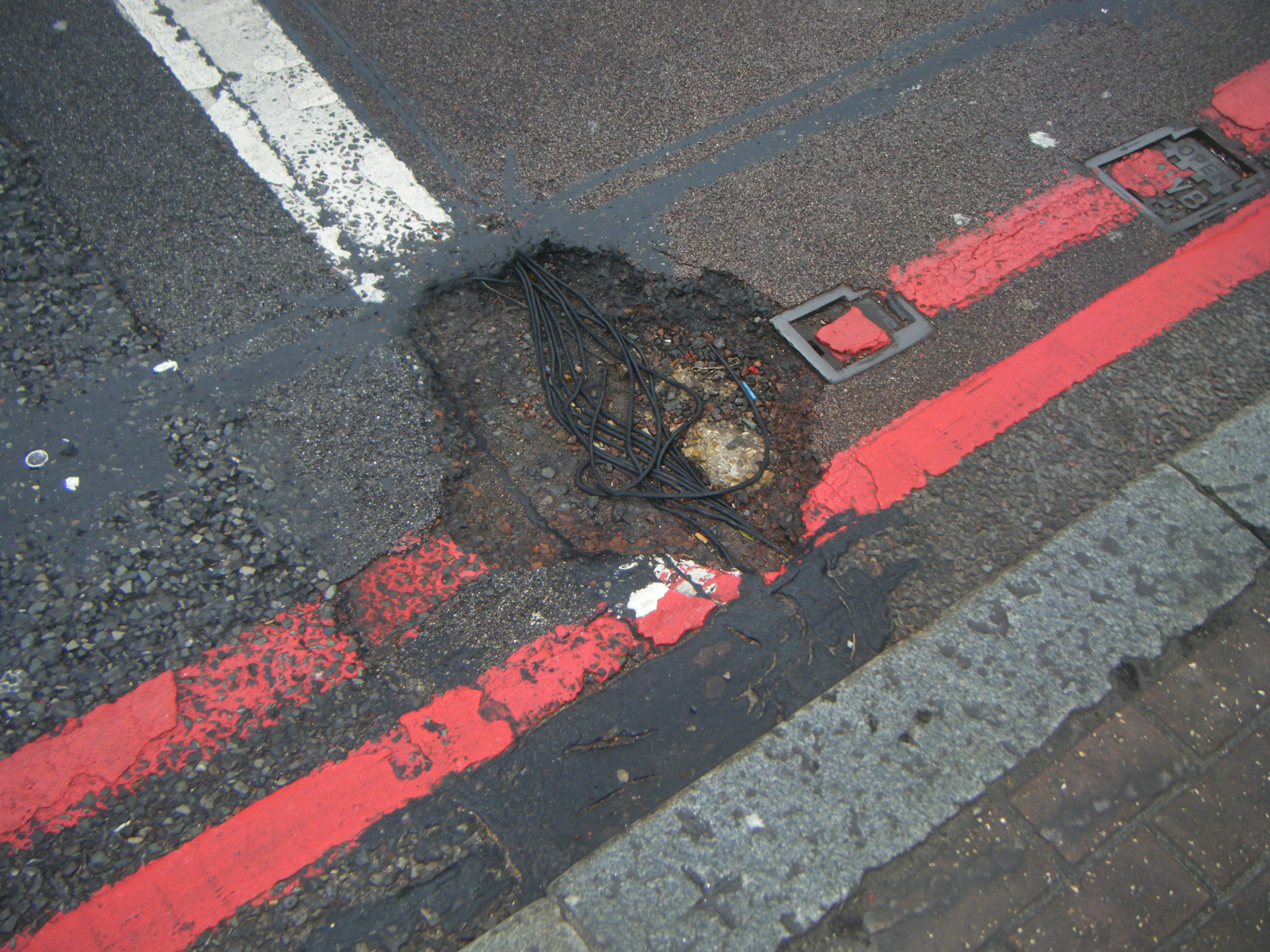
The UK now has new guidance designed to ensure that when utilities companies dig up the road surface, they leave proper repairs once the work is complete.
It is estimated that poorly replaced road surfaces mean there are around 90,000 remedial works each year, adding inconvenience to motorists and cyclists.
Many of the road repairs are not properly carried out, increasing the risk of potholes forming and further defects. This significantly increases the risk of accidents and of damage to vehicles.
The new legislation is intended to reduce the chances of potholes developing as well as cutting down the risk that the road will have to be replaced a second time.
The UK government has set out a package of measures over the last nine months to reduce disruption caused by road works. These include proposals to increase the charges for companies whose works overrun by a factor of ten, as well as to improve signage and protection of sites and for a tougher street works inspection regime. In addition, the5432 Department for Transport has introduced more rigorous testing and training for those who dig up the road as well as approving the first two street works permit schemes to help councils coordinate and manage works on their roads.
It is estimated that poorly replaced road surfaces mean there are around 90,000 remedial works each year, adding inconvenience to motorists and cyclists.
Many of the road repairs are not properly carried out, increasing the risk of potholes forming and further defects. This significantly increases the risk of accidents and of damage to vehicles.
The new legislation is intended to reduce the chances of potholes developing as well as cutting down the risk that the road will have to be replaced a second time.
The UK government has set out a package of measures over the last nine months to reduce disruption caused by road works. These include proposals to increase the charges for companies whose works overrun by a factor of ten, as well as to improve signage and protection of sites and for a tougher street works inspection regime. In addition, the