
ASTM International reports it has approved a new standard to extend the service life of asphalt mixtures by more accurately predicting and evaluating fatigue performance.
ASTM member Emin Kutay, who is on the ATM’s road and pavement committee D04, says the new standard (called D8458) will be used to assess the resistance of different types of asphalt mixtures to fatigue cracks in road surfaces. The full title of D8458 is a “Standard Test Method for Evaluation of Fatigue Performance of Asphalt Mixtures Using the Three-Point Bending Cylinder (3PBC) Test”.
This test method can be used to determine the fatigue resistance of asphalt mixtures. The test method is generally valid for specimens that are tested at intermediate temperatures. The three-point bending cylinder test samples are obtained by coring a 68mm-diameter cylinder from the centre of a 150mm-diameter gyratory compacted sample or horizontal coring from field cores or slabs cut from field sections. After coring, the sample is ready for testing and no further sample preparations steps are required. The two ends of the 68mm- diameter three-point bending cylinder sample do not need to be sliced.
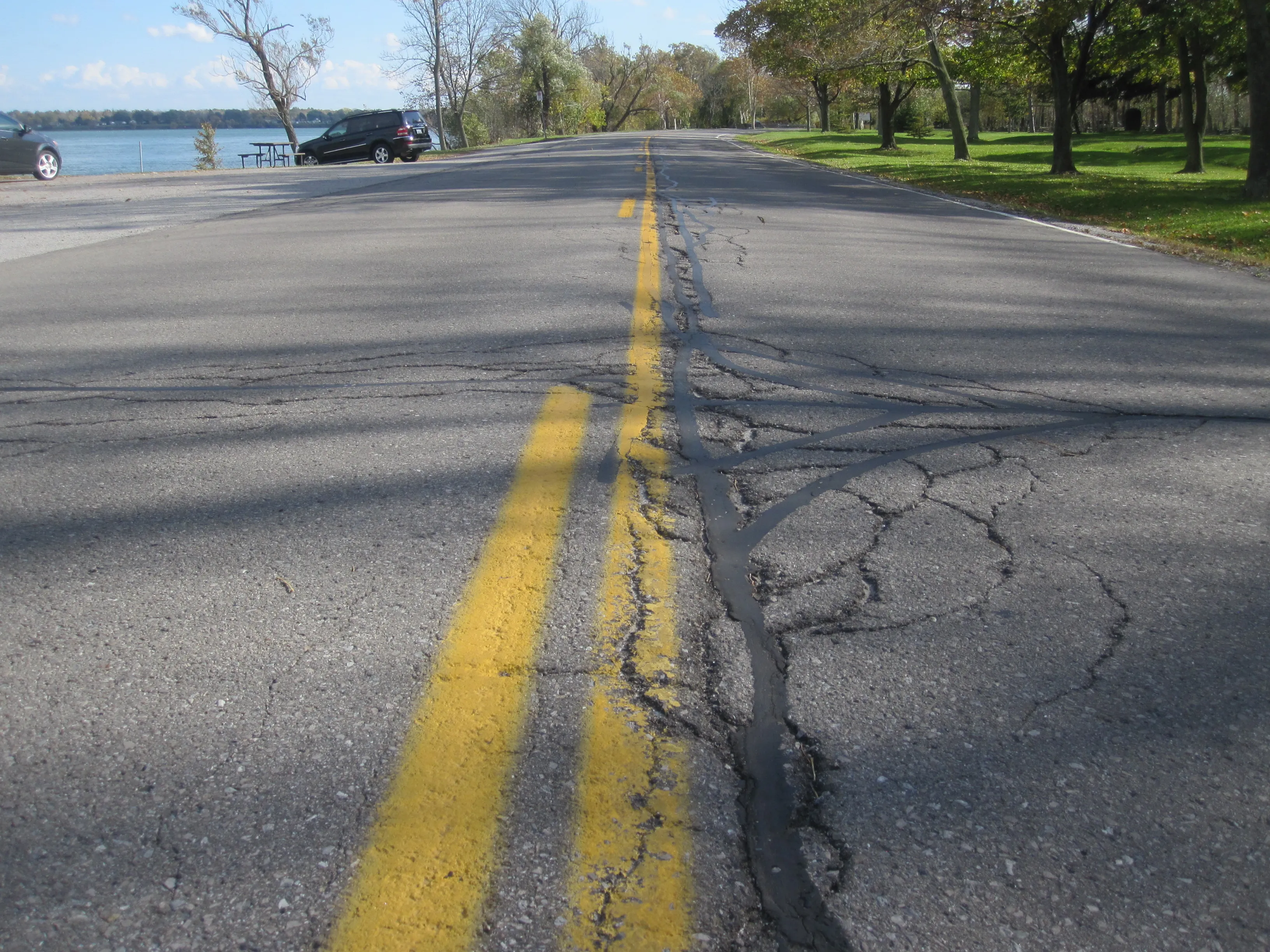
Highways agencies can make performance-based decisions on types of materials to be used in asphalt pavement to increase service life and reduce life cycle cost. “Fatigue cracking occurs due to repeated heavy truck loading,” says Kutay, who is also a professor in the civil and environmental engineering department at Michigan State University. “This standard will help design better asphalt mixture ingredients to improve asphalt pavement service life.”
He notes that this effort directly relates to the United Nations Sustainable Development Goal #9 on industry, innovation and infrastructure.
ASTM’s Committee D04 on Road and Paving Materials was formed in 1903 and meets twice a year, usually in June and December, with about 100 members attending three days of technical meetings. The committee, with a membership of over 750, has 27 technical subcommittees that have jurisdiction of over 200 standards, published in the Annual Book of ASTM Standards, Volume 4.03.
The ASTM says that these standards continue to play a preeminent role in all aspects of construction and maintenance of highways and other transportation construction.
ASTM International - formerly the American Society for Testing and Materials - is an international standards organisation based near Philadelphia in the US state of Pennsylvania. It develops and publishes voluntary consensus technical standards for a wide range of materials, products, systems and services. Around 12,575 ASTM voluntary consensus standards operate globally. More information is available on the ASTM website: www.astm.org.