According to a new report from consultant Frost & Sullivan, extended-range electric vehicles (EVs) could be cost-competitive with comparable internal combustion engine (ICE) vehicles as soon as 2015. The report claims that electric vehicles could offer a payback period of less than four years for customers with an oil price of €2.50/litre, without any government subsidies.

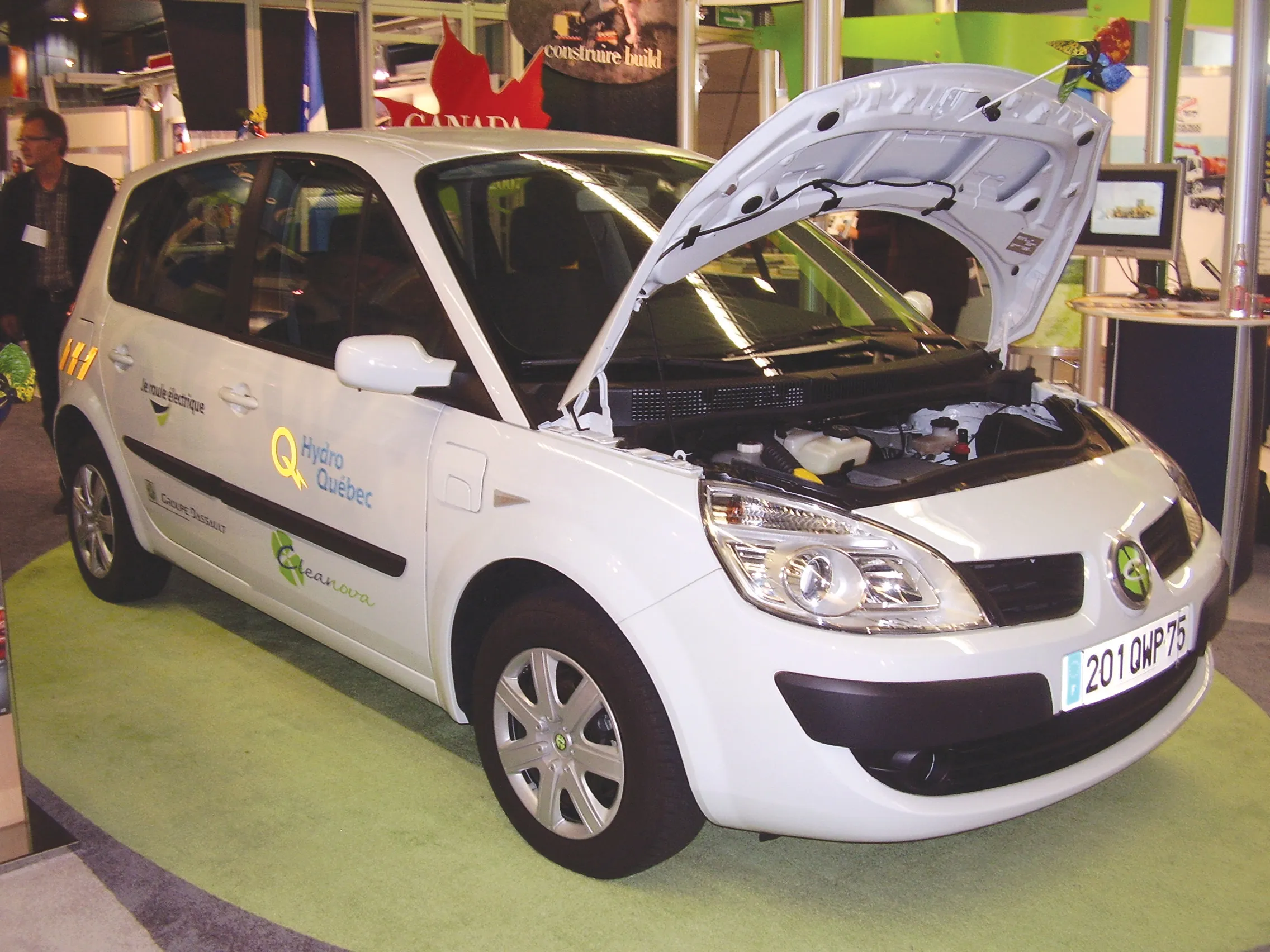
According to a new report from consultant Frost & Sullivan, extended-range electric vehicles (EVs) could be cost-competitive with comparable internal combustion engine (ICE) vehicles as soon as 2015. The report claims that electric vehicles could offer a payback period of less than four years for customers with an oil price of €2.50/litre, without any government subsidies.
Fuel prices in some parts of France have already reached €2/litre. Given the €2,500 subsidy for hybrid vehicles, the payback period is now less than four years. According to2453 Renault, which has invested heavily in electric vehicle development along with its partners 2454 Nissan, there are eight key steps needed to achieve an EV mass market. Low purchase and running costs are crucial and Renault believes it will be able to deliver, thanks to mass production, battery rental and government incentives in the introduction stage. The aim is to reduce the purchase price for an EV purchase price to that of an equivalent ICE. Renault’s battery leasing scheme is intended to offer a running cost for an EV that is cheaper than the fuel price for ICE. The Frost & Sullivan report says that is already the case for an electric Renault being driven more than 40-50km/day.
Range is another key issue and Renault believes that there is a need to educate customer on how to get the best from their EV. This includes smart use of the eco-mode, preconditioning of the vehicle and eco-driving by optimising regenerative braking. Infrastructure is also crucial and 15,000 public charging stations were in place in Europe by the end of 2011, while 50,000 should be available by the end of 2012. Renault says that the EV market is still young and until 2015-2020 the support of fleets will be crucial for uptake. Key introductions will be for fleets that have predetermined daily routes such as postal services or other delivery services. The entire Renault dealer network has the certification for these vehicles and EVs can be bought and maintained at any Renault dealer in the country.
Fuel prices in some parts of France have already reached €2/litre. Given the €2,500 subsidy for hybrid vehicles, the payback period is now less than four years. According to
Range is another key issue and Renault believes that there is a need to educate customer on how to get the best from their EV. This includes smart use of the eco-mode, preconditioning of the vehicle and eco-driving by optimising regenerative braking. Infrastructure is also crucial and 15,000 public charging stations were in place in Europe by the end of 2011, while 50,000 should be available by the end of 2012. Renault says that the EV market is still young and until 2015-2020 the support of fleets will be crucial for uptake. Key introductions will be for fleets that have predetermined daily routes such as postal services or other delivery services. The entire Renault dealer network has the certification for these vehicles and EVs can be bought and maintained at any Renault dealer in the country.