In this second article of a three-part series on pavement preservation, Alan S. Kercher, of Kercher Engineering, discusses the different techniques that can be utilised as part of the preservation toolbox
An agency should utilise a comprehensive preservation toolbox that includes various techniques, which can be applied to specific needs. There is no one technique that will cost-effectively address all pavement problems. However, there are many preservation techniques that can provide an agency with the ab

In this second article of a three-part series on pavement preservation, Alan S. Kercher, of Kercher Engineering, discusses the different techniques that can be utilised as part of the preservation toolbox
An agency should utilise a comprehensive preservation toolbox that includes various techniques, which can be applied to specific needs. There is no one technique that will cost-effectively address all pavement problems. However, there are many preservation techniques that can provide an agency with the ability to cost-effectively extend pavement life.The specific type of technique selected will vary depending on a variety of factors, including condition of the pavement and functional requirements such as skid resistance, noise level and/or ride comfort, as well as local constraints such as available equipment and suitable materials.
Techniques available for an agency to utilise are typically grouped into one of three categories as shown in Figure 1.
Although preservation applies to all types of pavements, this article will focus on flexible (asphalt concrete) pavements. The following are several examples of techniques for each of the repair categories that make up the preservation toolbox.
Routine maintenance
Routine maintenance is a corrective procedure that repairs localised distresses, such as cracks and potholes, when they occur. Roads in this category are in generally good condition, but require localised repair to prevent accelerated deterioration. The two routine maintenance techniques are crack sealing and patching:Crack sealing
Crack sealing involves the removing of debris from cracks in the pavement, followed by filling the cracks with rubberised asphalt or other type of sealant. The sealant prevents water from infiltrating into the underlying soil that would otherwise reduce the ability of the soil to adequately support the pavement.Patching
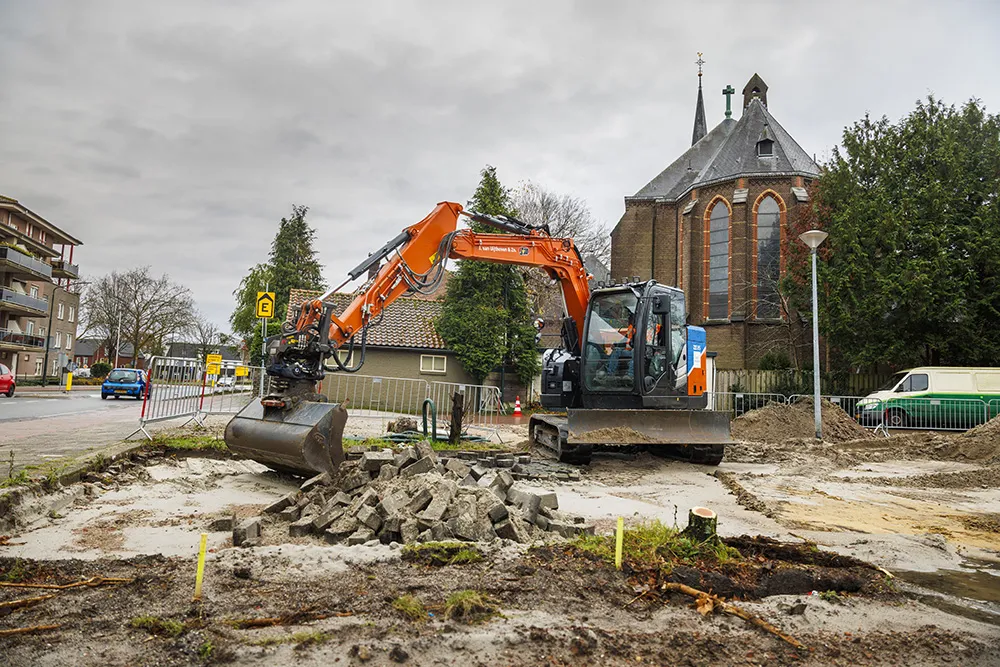
Patching is used to correct localised structural failures such as potholes in order to prevent further damage to the pavement and to improve safety. Patches help to stabilise the pavement structure and prevent water from entering the pavement and/or subgrade below. It is important to remove the structurally inferior materials, replace them with quality materials and ensure that the materials are properly compacted.Preventative Maintenance
Preventative maintenance techniques, commonly referred to as surface coats, are normally applied globally to preserve the entire pavement surface. Surface coats serve as a "sacrificial shield' that protects the pavement from the aging affects of the environment and seals out water. These techniques also address skid resistance and, if used in combination with rut-fill or other levelling techniques, will address many ride quality issues. Timing is important to the success of a surface coat. Since the main purpose of preventative maintenance is to increase the road's service life by slowing down rate of deterioration due to aging, it is most cost-effective when applied at the first signs of pavement deterioration.Three of the most commonly used techniques are chip seals, slurry seals and micro-surfacing:
Chip seal
A chip seal is commonly referred to as 'tar and chip' or 'oil and chip'. In many parts of the world, such as Australia, South Africa and New Zealand, chip seals are used extensively. These countries have found chip seals to be a very cost-effective technique. They have spent much time on researching and developing detailed design and construction methodologies that have resulted in a high level of successful projects, on both low volume and high volume roadways. As with most types of construction, another key factor is using high quality materials.The basic components of a chip seal are asphalt cement and fine aggregate (chips). The asphalt cement, using either liquid emulsion or hot asphalt, acts as a binding agent (glue) that holds the aggregate to the pavement surface. In the United States, the aggregate is uniform in size with minimal fines. The layer is placed in a single stone thickness and, if a thicker surface is desired, multiple applications of chip seal are applied.
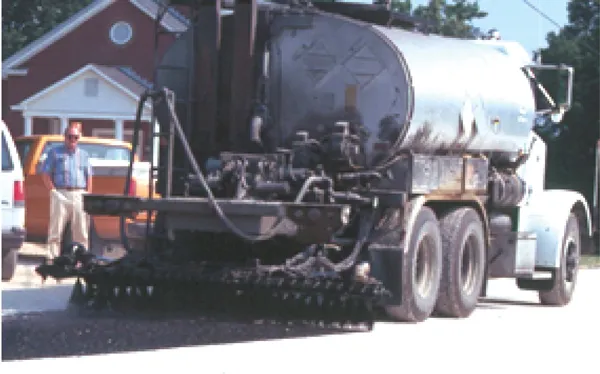
After the surface has been properly prepared and cleaned, the asphalt cement is applied to the surface. This is normally accomplished using an asphalt distributor truck as shown in Figure 2. Immediately afterwards, aggregate is applied uniformly to the surface and followed by a roller, which embeds the aggregate chips into the asphalt binder.
Slurry seal
A predecessor to micro-surfacing, slurry seals were first used in the 1930s in Germany. Different from chip seals, the asphalt emulsion and fine aggregates are applied to the surface at the same time. This is because the aggregate and emulsion are mixed together to create a slurry-like mixture.Slurry seals consist of fine aggregate and emulsified asphalt, which serves as a binder material that glues the aggregates together. Because unmodified (or straight) emulsions do not provide some of the positive benefits of micro-surfacing, such as improved bonding and curing characteristics, modified emulsions are starting to be specified for use in slurry seals. The slurry mixture is made and applied to the road surface using a mobile mixing unit similar to the micro-surfacing unit described below.
Slurry seals are mainly used to seal the surface of aged pavements to slow down the oxidation process and to seal out water. Since it is only one stone thick, this technique cannot be used to fill small depressions. It will reflect any irregularities in the existing surface.
Micro-surfacing
Probably the most versatile of all the different types of surface treatments available, micro-surfacing can be a cost-effective solution to a wide variety of maintenance problems. Micro-surfacing is basically a "high-tech" slurry seal, consisting of aggregate, polymer-modified asphalt emulsion, water, mineral filler and other additives that are carefully mixed together.Micro-surfacing was developed in the late 1960s and early 1970s by German scientists trying to fill narrow ruts on the Autobahns by using multiple layers of traditional slurry seals. Through experiments, the scientists found that using high quality materials, polymers and other special additives allowed the modified mixture to be applied much more thickly than conventional slurry seals. Also, the new mixture had better performance characteristics.
Today, micro-surfacing is used for a variety of reasons on a broad range of pavements, such as low volume residential streets, high volume interstates and runways for airports in many parts of the world, including the United States, Europe and Australia.
The modified slurry mixture is made and applied to the road surface using a mobile mixing unit that is specially designed for micro-surfacing (see Figures 3 and 4). The machine contains several compartments that store the aggregate, mineral filler, emulsion, water and additives. All the ingredients are carefully metered to ensure that the proper quantities are mixed together. The materials are mixed together in a pug mill with dual shafts while the machine is travelling down the road.
Functional rehabilitation
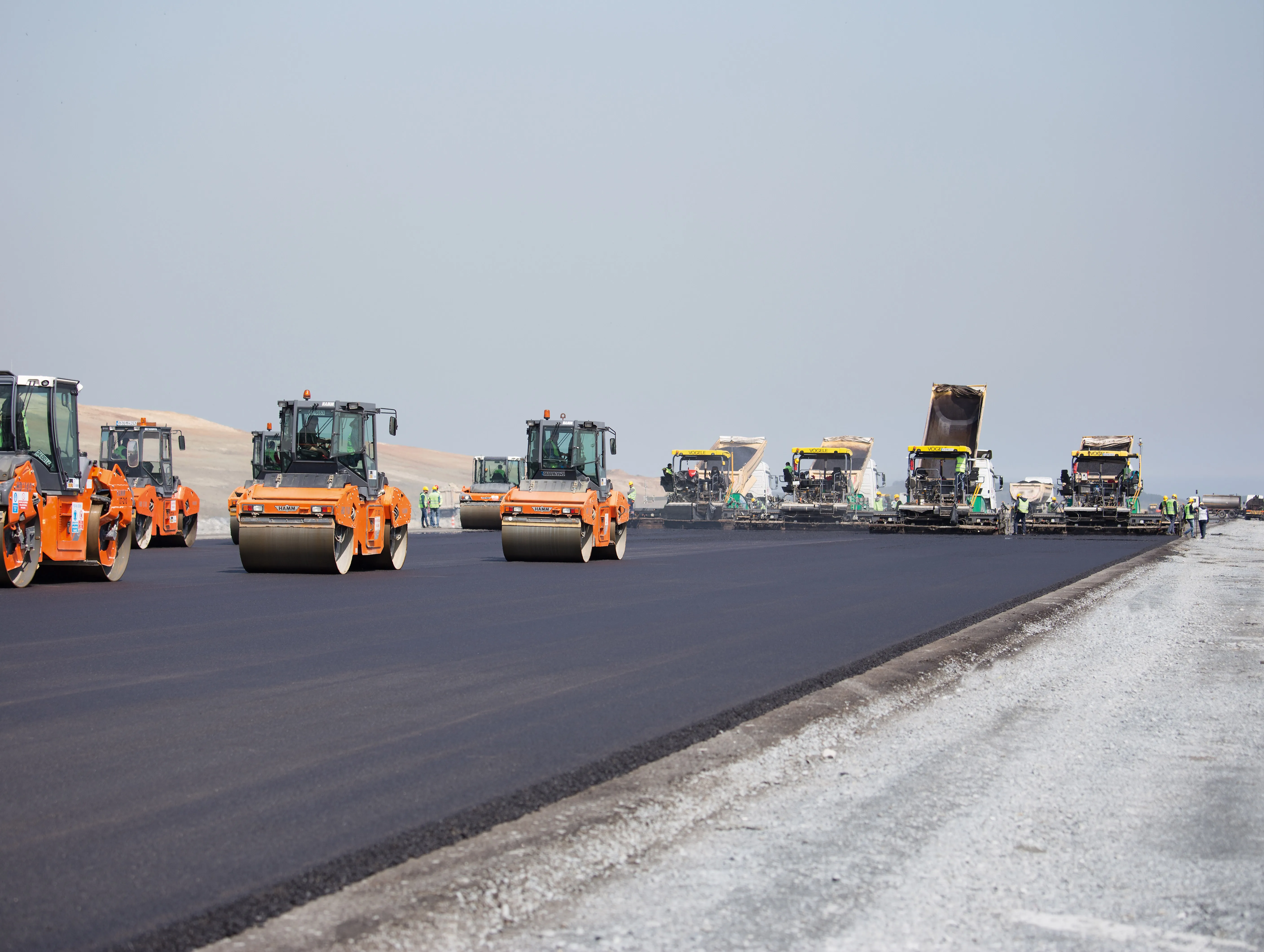
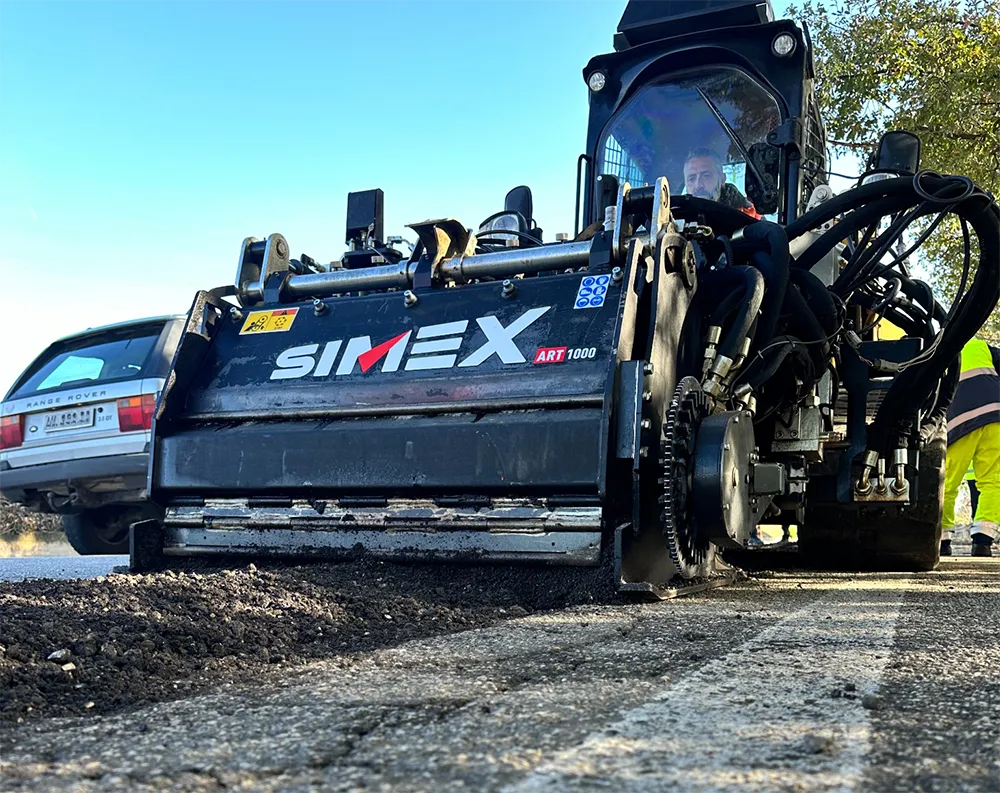
This typically involves a thin asphalt concrete overlay applied to the surface. If necessary, the existing surface is milled prior to applying the new layer to remove cracking, improve bonding or remove surface distortion. When applied before the pavement starts to severely deteriorate, a functional rehabilitation technique can be a very cost-effective way of extending the life of the pavement, as well as immediately improving the surface. The life of the pavement is extended since the structural capacity has been increased and the cracks are sealed to prevent air and moisture infiltration. For pavements with poor ride qualities or low skid resistance, the new surface will also provide a smoother, safer ride.It is important to make sure that the existing pavement is in adequate condition to receive an overlay and does not require partial or full reconstruction. If the pavement is in poor shape structurally, the new overlay may fail prematurely due to inadequate support from the layers below. Prior to the overlay, all deficiencies should be corrected. This includes repairing all potholes, localised weak areas, such as severe alligator cracking and depressions, and making sure that drainage is adequate. Limited maintenance funds should not be wasted on an overlay if the existing pavement requires more significant structural improvement.