A new flyover in Pune, India is helping traffic flow, easing congestion in the city Work commenced on the Bharatratna JRD Tata double deck flyover in mid-2010 and now that the structure is carrying traffic, the city’s previous chronic congestion problem has eased significantly.

A new flyover in Pune, India is helping traffic flow, easing congestion in the city
Work commenced on the Bharatratna JRD Tata double deck flyover in mid-2010 and now that the structure is carrying traffic, the city’s previous chronic congestion problem has eased significantly.
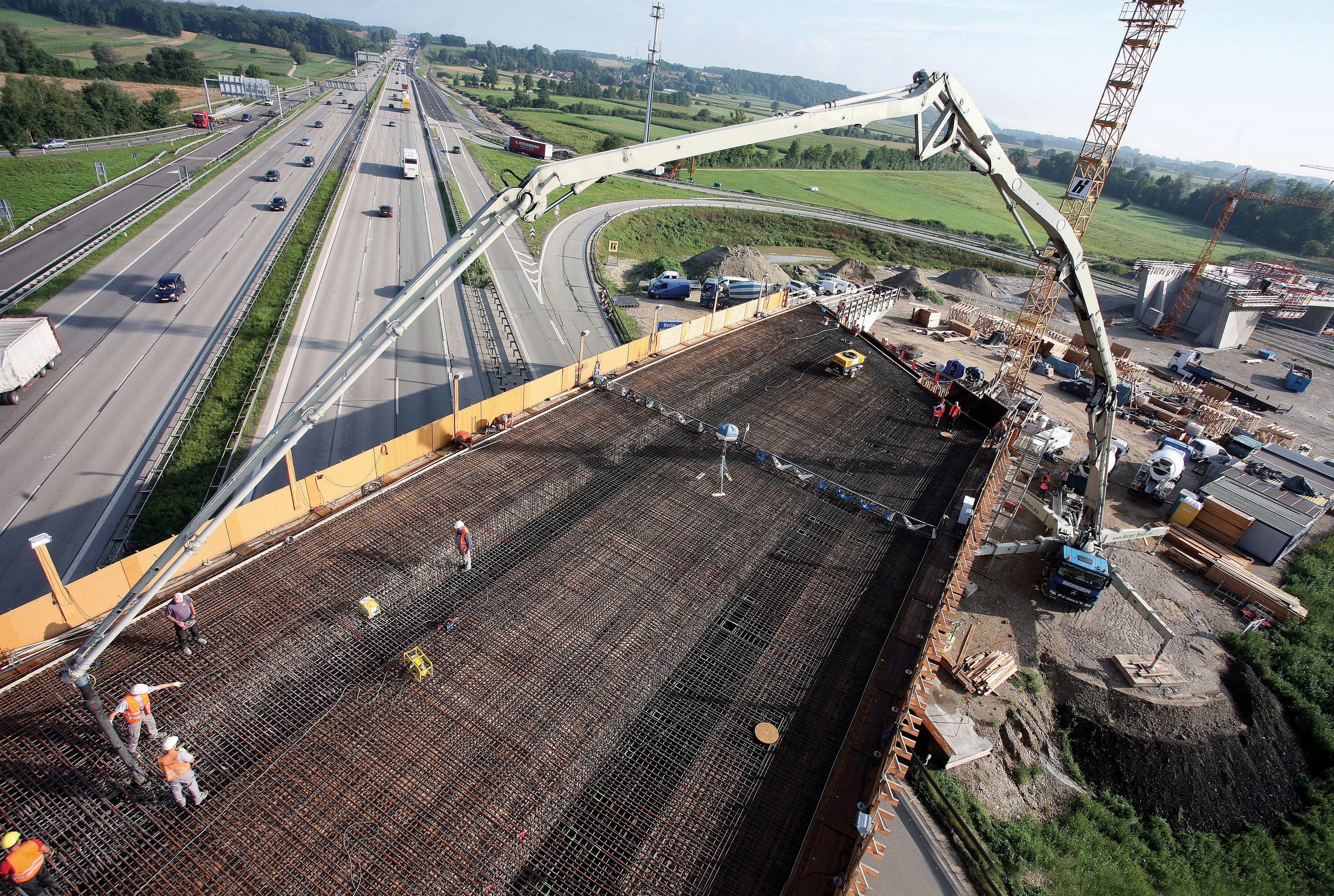
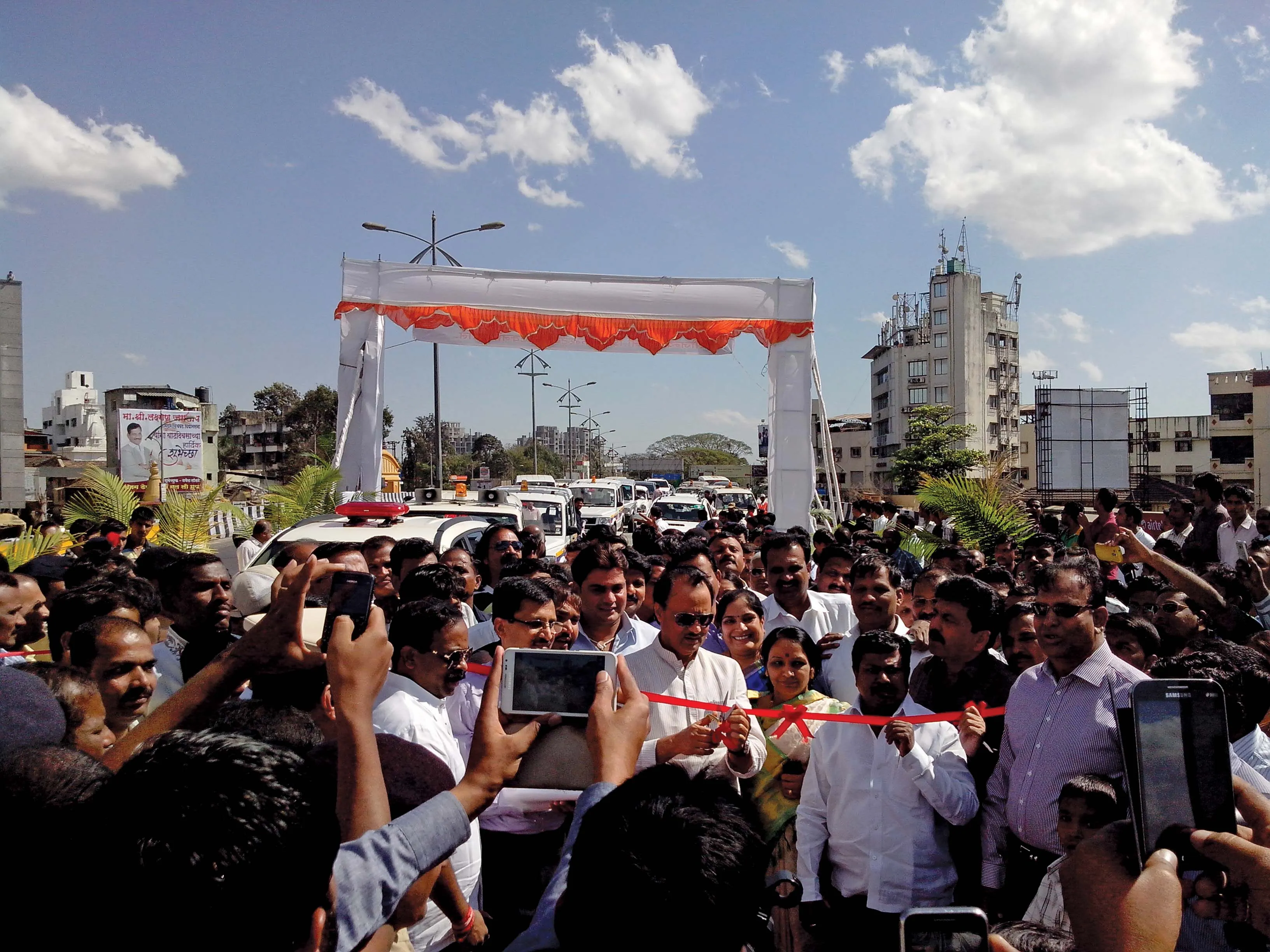
In July 2010, work began on the double-decker flyover, an impressive construction that will make a substantial contribution to reducing traffic congestion in the Pune area. During the concreting phase of the project, equipment from161 Atlas Copco was used to give a smooth surface finish and the desired strength to the casting. The flyover was inaugurated in February this year by India’s Deputy Chief Minister, Ajit Pawar.
The Bharatratna JRD Tata flyover is located in Kasarwadi at the critical junction where the Pune-Nashik highway meets the Mumbai-Pune highway, this construction project cost was around US$17 million.
The contractor chosen for the project was Pune-based infrastructure specialist B G Shirke Construction Technology. At the site, located close to Atlas Copco India's head office in Dapodi, Pune, B G Shirke used many products from Atlas Copco's light compaction and concrete equipment range in the concreting process.
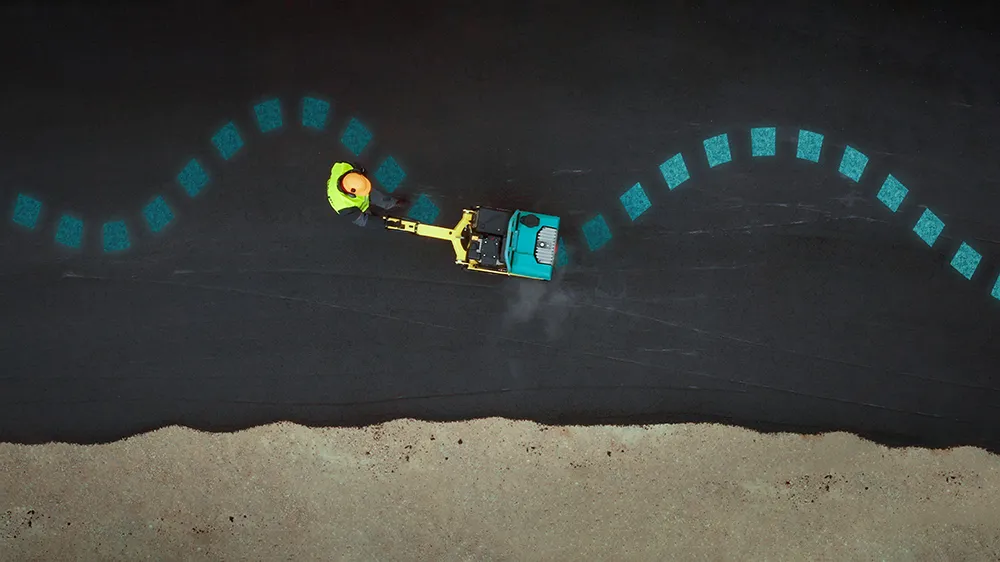
These included Vibrastar motor-in-head electric pokers, frequency converters, ER407B electric high-speed external
vibrators, and LP6500 walk-behind double drum rollers.
Vikas Sawhney, business line manager, Construction Tools, Atlas Copco India said, “The Bharatratna JRD Tata flyover opens up major potential for new infrastructure projects to modernise the Pune landscape. Atlas Copco is proud to be associated with this project, which will make the lives of Pune citizens much easier with increased connectivity and reduced travel time.”
Work commenced on the Bharatratna JRD Tata double deck flyover in mid-2010 and now that the structure is carrying traffic, the city’s previous chronic congestion problem has eased significantly.
In July 2010, work began on the double-decker flyover, an impressive construction that will make a substantial contribution to reducing traffic congestion in the Pune area. During the concreting phase of the project, equipment from
The Bharatratna JRD Tata flyover is located in Kasarwadi at the critical junction where the Pune-Nashik highway meets the Mumbai-Pune highway, this construction project cost was around US$17 million.
The contractor chosen for the project was Pune-based infrastructure specialist B G Shirke Construction Technology. At the site, located close to Atlas Copco India's head office in Dapodi, Pune, B G Shirke used many products from Atlas Copco's light compaction and concrete equipment range in the concreting process.
These included Vibrastar motor-in-head electric pokers, frequency converters, ER407B electric high-speed external
vibrators, and LP6500 walk-behind double drum rollers.
Vikas Sawhney, business line manager, Construction Tools, Atlas Copco India said, “The Bharatratna JRD Tata flyover opens up major potential for new infrastructure projects to modernise the Pune landscape. Atlas Copco is proud to be associated with this project, which will make the lives of Pune citizens much easier with increased connectivity and reduced travel time.”