Transportation decision-makers will soon benefit from a new comparative study on the cost-effectiveness of road programme delivery. This will be thanks to the launch of a global benchmarking initiative by the International Road Federation using a methodology developed by McKinsey & Co.
Globally, US$1.4 trillion is invested every year on transportation assets — including $700 billion for roads - as the world’s economies develop and respond to emerging mobility patterns. Delivering these road programmes

RSSTransportation decision-makers will soon benefit from a new comparative study on the cost-effectiveness of road programme delivery. This will be thanks to the launch of a global benchmarking initiative by the International Road Federation using a methodology developed by McKinsey & Co.
Globally, US$1.4 trillion is invested every year on transportation assets — including $700 billion for roads - as the world’s economies develop and respond to emerging mobility patterns. Delivering these road programmes is a task fraught with challenges which too often lead to inefficient use of scarce funds.
In 2013, a landmark report published by McKinsey’s Infrastructure Practice presented stark evidence of the size of the infrastructure gap and the resulting need for governments to rethink how they select, design, deliver and manage infrastructure projects.
Building on the methodology developed in this report, the International Road Federation is announcing a global benchmarking initiative to promote transparency through an objective diagnosis and evaluation of current practices worldwide.
According to Nicklas Garemo, senior partner at McKinsey, "There are large opportunities to improve efficiency in road investments and maintenance across the globe which would give the world more and better roads for the available funds. The first step to improve requires understanding where you stand and how you compare to best practice. This survey creates that understanding and allows countries to be more targeted in their future improvement efforts."
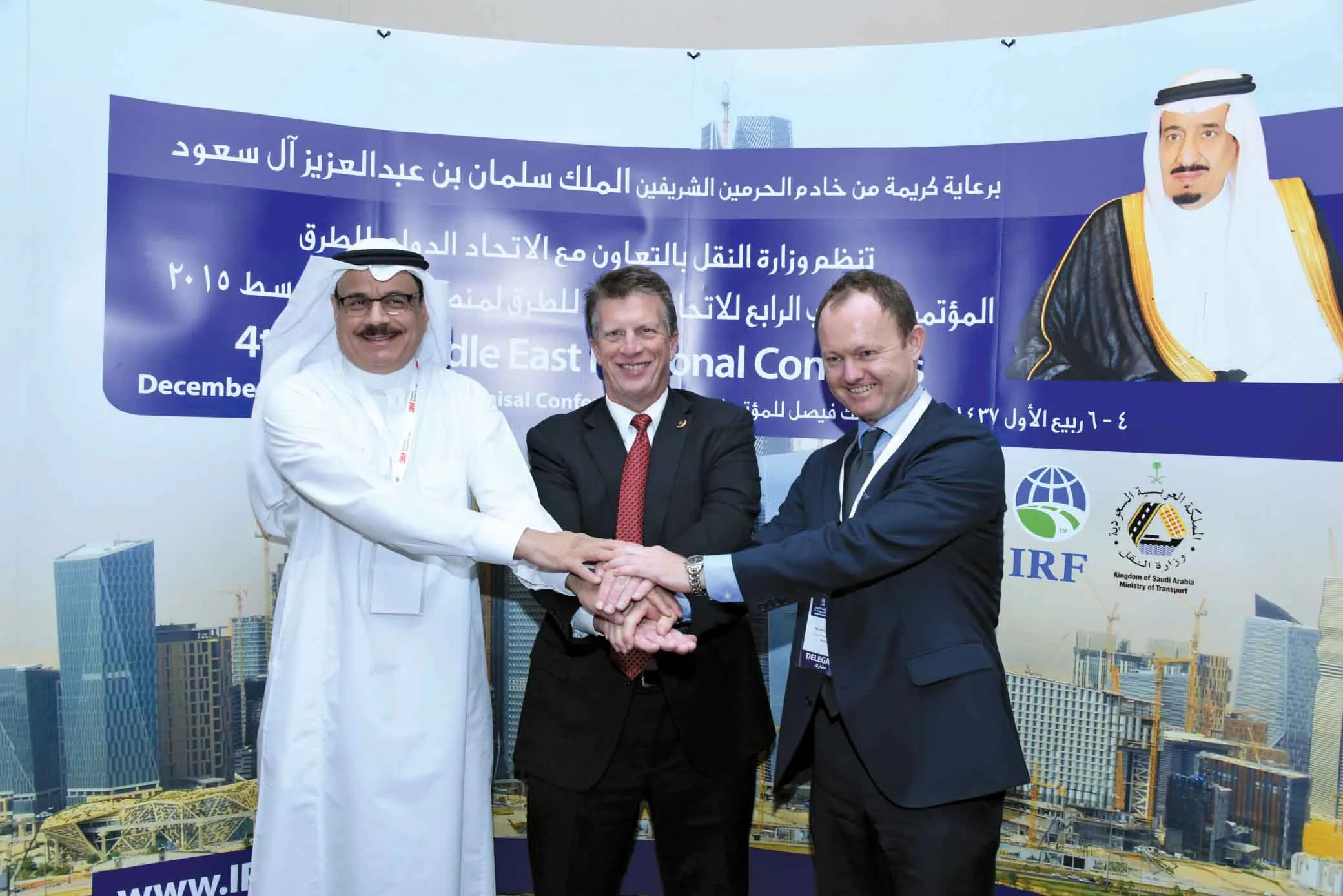
“As the sector’s chief knowledge broker, the3918 IRF Washington knows that boosting productivity is a key priority for all local and national governments,” said IRF president & CEO C Patrick Sankey. “The survey and resulting recommendations will provide game-changing insights for decision-makers across our industry.”
Globally, US$1.4 trillion is invested every year on transportation assets — including $700 billion for roads - as the world’s economies develop and respond to emerging mobility patterns. Delivering these road programmes is a task fraught with challenges which too often lead to inefficient use of scarce funds.
In 2013, a landmark report published by McKinsey’s Infrastructure Practice presented stark evidence of the size of the infrastructure gap and the resulting need for governments to rethink how they select, design, deliver and manage infrastructure projects.
Building on the methodology developed in this report, the International Road Federation is announcing a global benchmarking initiative to promote transparency through an objective diagnosis and evaluation of current practices worldwide.
According to Nicklas Garemo, senior partner at McKinsey, "There are large opportunities to improve efficiency in road investments and maintenance across the globe which would give the world more and better roads for the available funds. The first step to improve requires understanding where you stand and how you compare to best practice. This survey creates that understanding and allows countries to be more targeted in their future improvement efforts."
“As the sector’s chief knowledge broker, the