
The world’s highway networks are facing “a major paradigm shift” from a past that was based on hardware, engineering, economic, analogue, vehicle and supply driven solutions to a future that will be based instead on software, social, environmental, digital, multi-modal demand-driven solutions.
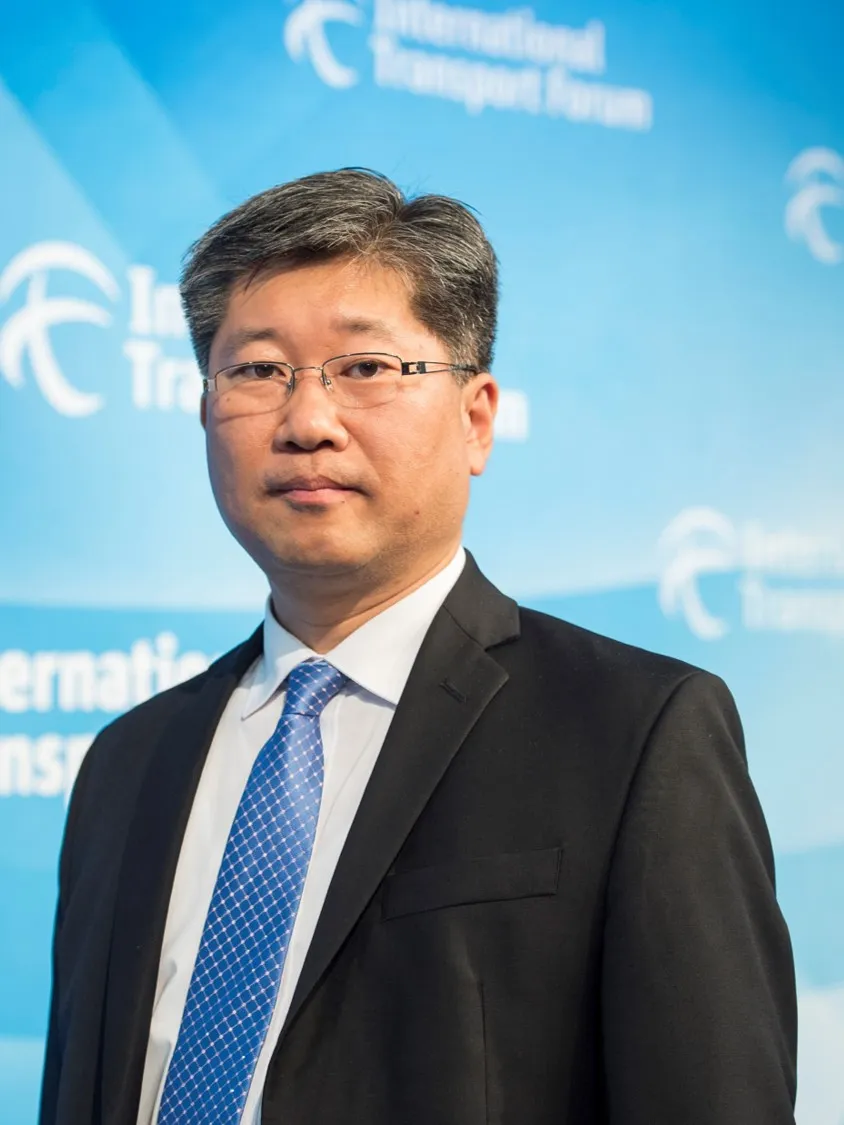
Think road users and the customers first if you want to help drive future road policy said Young Tae Kim, secretary general of the International Transport Forum (ITF), speaking at the opening ceremony of PPRS 2018, the Pavement Preservation and Recycling Summit in Nice, France.
“When public budgets are tight, maintenance spend tends to be cut,” the ITF boss told the conference’s 900 delegates from more than 50 countries. “This is why worldwide road maintenance spend is no longer increasing.”
Tae Kim recommended thinking about the future in “five key phrases: environmental sustainability; smart digital technology; safety and security; inclusiveness focused on the social influence of good roads; and the promotion of economic growth”.
In the past, Kim added, road transport policy was greatly influenced, if not decided by the suppliers and the providers of haulage and public transport. “Today, we are seeing policy that will be demand-driven. The customer or end user will be more important. Things won’t be government-led, they will be led by the private sector. The shift from analogue to digital technologies will lead to more efficient regulation too. And a new holistic approach is emerging where road maintenance will be just as, if not more important than new road construction projects.”
Bud Wright, the chief executive officer of AASHTO, the American Association of State Highway and Transportation Officials, took the same line at the opening ceremony of PPRS 2018. He also believes that the future success of the world highways sector lies in the way in which the roads are used.
“We need more mobility, more safety. We need transport more than ever,” he told the conference. “The seamless movement of goods and people is essential to economic growth.”
High-performance logistics will supply the home workers and growing home delivery industries of the future. But, to get there, Wright said that the world’s highway officials need to meet a series of challenges: an ageing workforce; too many pensioners sapping the national budget; the need to get more young people recruited in the sector; automated vehicles; rotting road surfaces; decaying bridges; and environmental concerns.
Unless the world’s developed economies want to see fewer movement of goods and people, and suffer the GDP declines involved, Wright said that new thinking is required.
“We [in the US] do not have a clear vision on how to fund a transport network that will no longer be able to depend on gasoline and fuel taxes. We need to become visionaries and innovators again,” he said.